


Fireplaces & Stoves
Materials for Fireplace and Stove Construction, Installation and Repair
Find VITCAS refractory materials, insulation and heat-resistant products for building, restoring and maintaining fireplaces and stoves. This application range covers open fireplaces, wood-burning and multi-fuel stoves, inset and cassette appliances, heat accumulation systems and specialist heating installations. Explore fire bricks, construction boards, mortars, adhesives, plaster and render, alongside rope seals, finishing products and maintenance essentials. For fireplace builders, stove installers, restoration specialists and homeowners, the application categories help identify materials for each part of the project. Select products for their location, substrate, temperature exposure and the appliance manufacturer's requirements.
Fireplace and Stove Materials by Application
A fireplace or stove installation brings together materials with different functions. The firebox needs an appropriate refractory lining, the surrounding construction may require insulation, and exposed surfaces need suitable finishes. Doors, appliance joints and flue connections have their own sealing requirements. VITCAS provides materials for these tasks across new construction, refurbishment and routine maintenance.
Find Materials for Your Fireplace or Stove
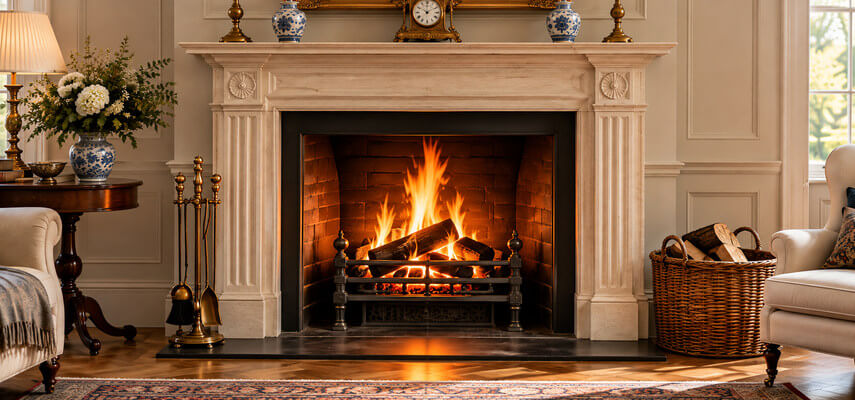
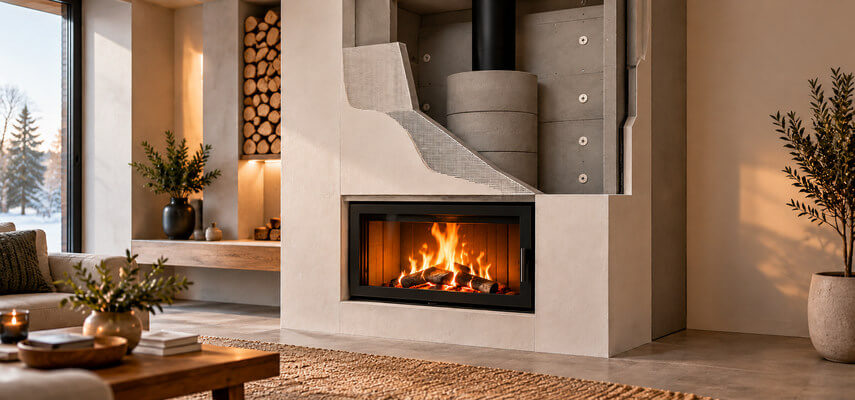
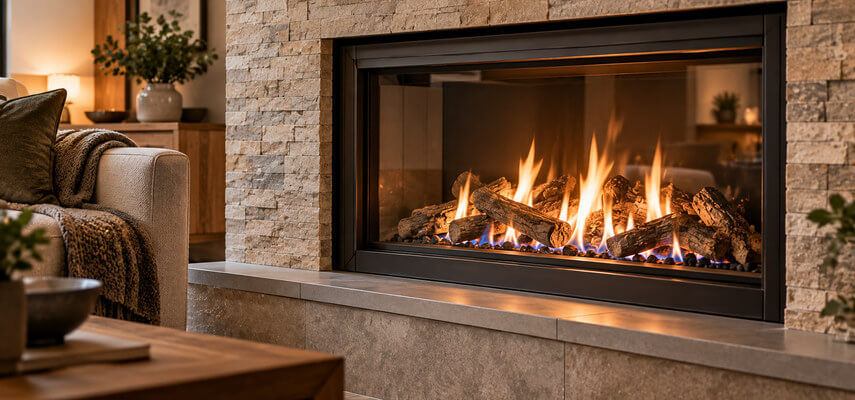
- Open fireplaces and new construction: explore materials for open fireplaces and fireplace construction, including refractory components, construction boards, adhesives and heat-resistant finishes.
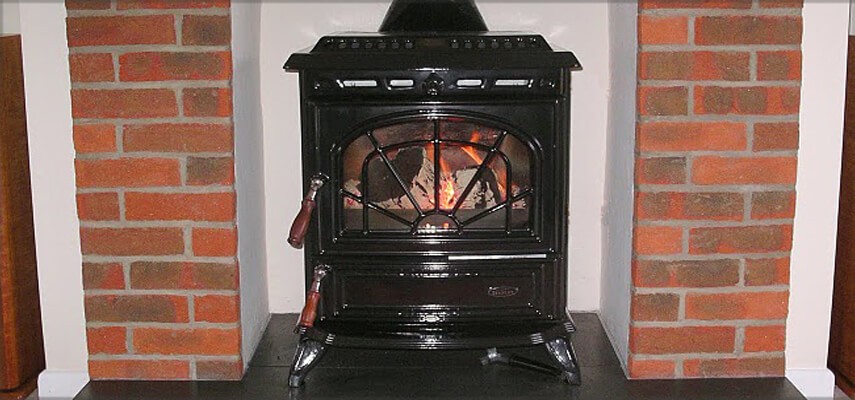
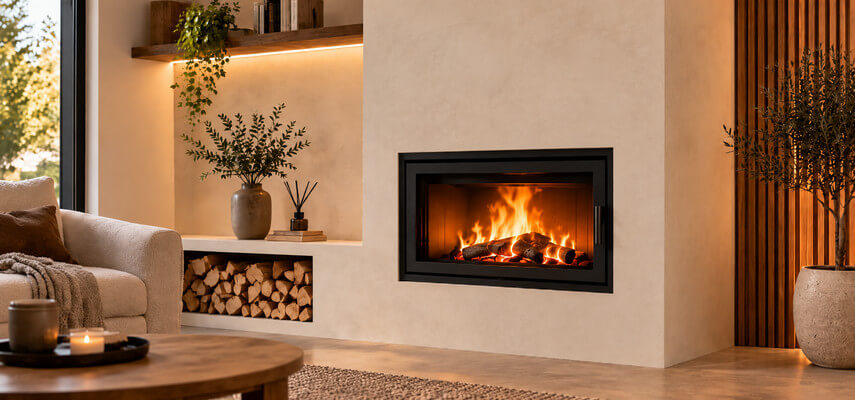
- Freestanding, inset and cassette stoves: find installation and maintenance materials for freestanding stoves and inset and cassette stoves, selected for the appliance, surrounding structure and sealing arrangement.
- Heat storage and tiled stoves: compare materials for heat accumulation stoves and tiled stoves, including heat storage boards, compatible construction adhesives and materials for heated tiled surfaces.
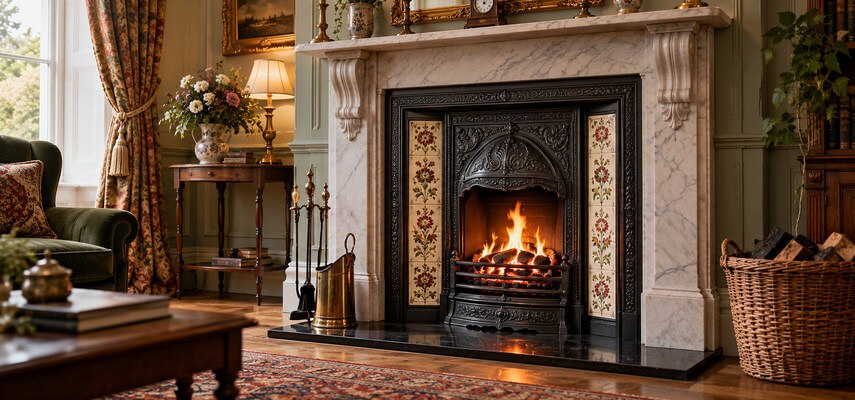
- Period fireplace restoration: browse materials for Victorian cast iron fireplaces, with options for firebacks and suitable refractory repairs around the original fireplace assembly.
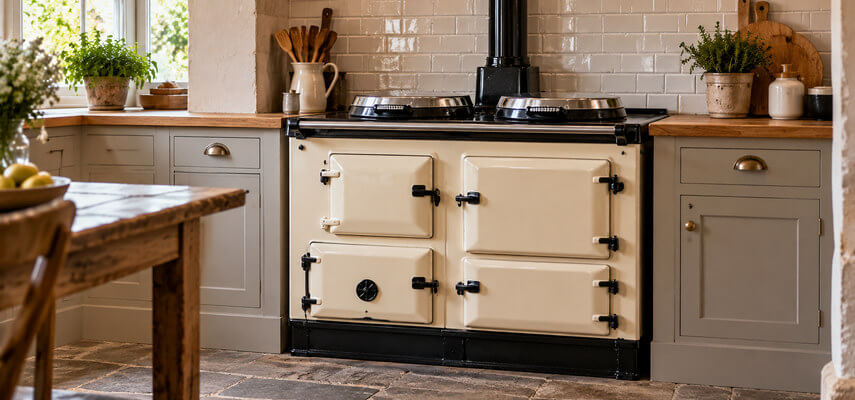
- Range cookers: find seals, adhesives and repair products for compatible range cooker maintenance, matching the original gasket profile and component requirements.
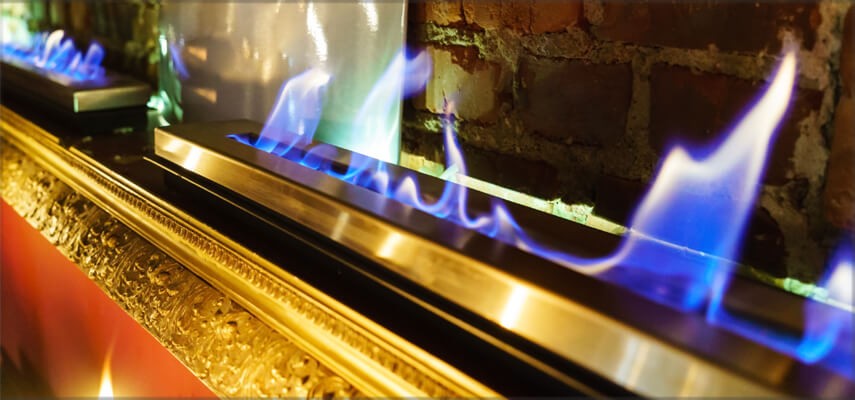
- Gas and bioethanol fireplaces: explore the dedicated ranges for gas fires and bioethanol fireplaces. Select materials and replacement components according to the particular appliance and installation design.
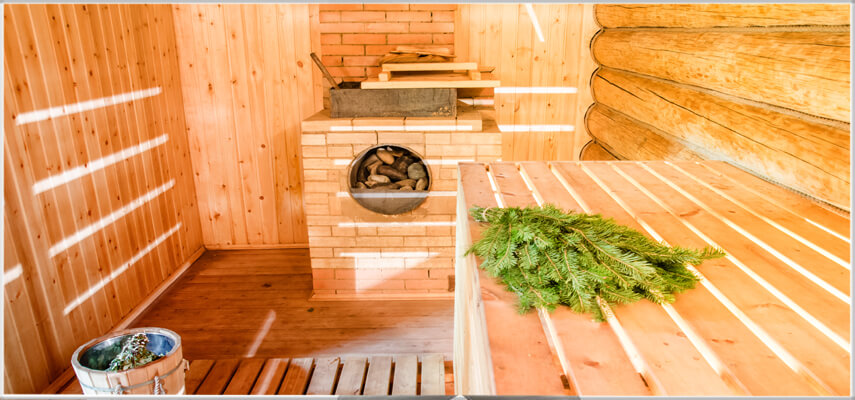
- Sauna stoves: choose sauna stove materials for suitable refractory sections, surrounding construction and associated joints, taking account of both heat and moisture exposure.
- Flues and chimneys: browse materials for flue and chimney applications, including insulation, products for specified jointing arrangements and chimney maintenance.
- Routine servicing and repairs: visit fireplace and stove maintenance for replacement seals, cleaning products and suitable repair materials.
Select Materials for Each Part of the Installation
| Project area | Materials to consider | Main selection criteria |
|---|---|---|
| Firebox and refractory sections | Fire bricks, firebacks, heatproof mortars and refractory repair materials | Flame exposure, operating temperature, lining material and repair or joint dimensions |
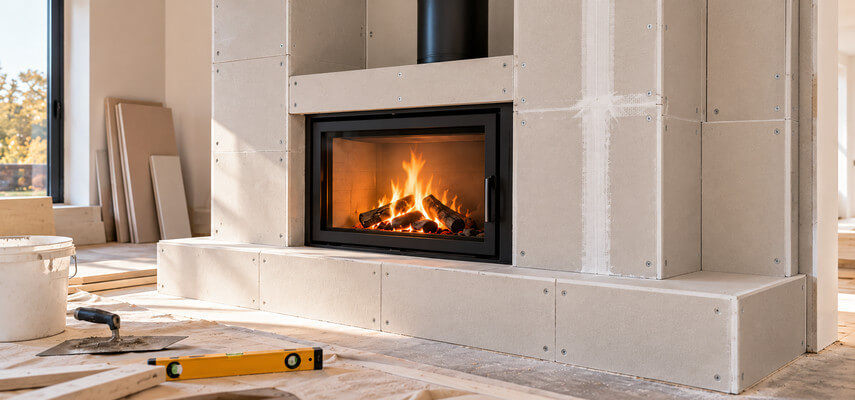
| Fireplace enclosure and insulation | Fireplace construction boards, insulation boards, compatible adhesives and specified primers | Board function, thickness, fixing method and the complete enclosure design |
| Heated walls, surrounds and tiled finishes | Heat-resistant render, plaster, tile adhesives and grout | Surface temperature, substrate, preparation and application thickness |
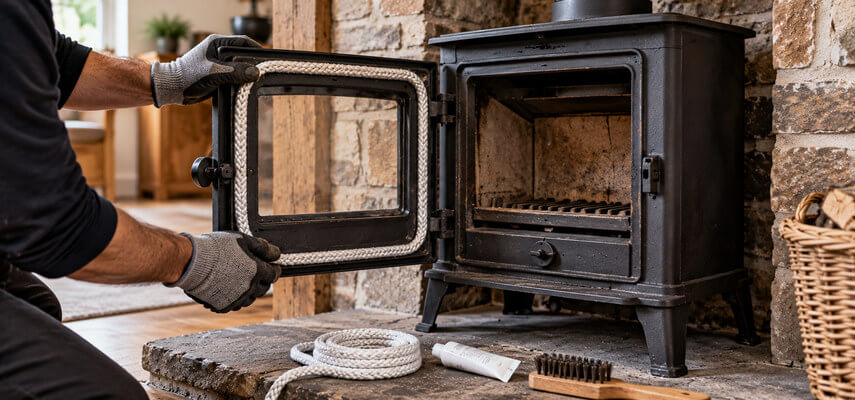
| Doors, appliance joints and connections | Rope seals, sealing tapes, rope adhesives, fire cements and suitable sealants | Required flexibility, gasket profile, joint movement and appliance specification |
| Heat accumulation assemblies | Heat storage boards and compatible joining materials | Thermal storage function, component positioning and the specified construction method |
Choosing Compatible Materials
Begin with the function and location of the material. A firebox lining, an insulating enclosure, a heat storage panel and a decorative surround perform different jobs. Check the expected temperature at the material itself, together with the substrate, moisture exposure and any movement in the joint.
Select boards, adhesives, primers and finishes as a compatible assembly. Follow the relevant instructions for preparation, fixing, layer thickness, drying and initial heating. Each product has its own application limits; the temperature rating of one component does not establish the operating capability of the complete installation.
For maintenance work, match replacement seals and refractory components to the appliance specification. Choose cleaners and surface treatments for the material being treated and use them according to their individual instructions.
Frequently Asked Questions
Where can heat-resistant plaster be used around a fireplace or stove?
Heat-resistant plaster is used as a finishing coat on suitable heated walls and fireplace surrounds, including areas around inset or cassette openings and near wood-burning stoves. Follow the selected product's requirements for the base coat or board preparation, application thickness and temperature exposure. A decorative finishing plaster should only be used in locations covered by its instructions.
Are fireplace construction boards interchangeable?
Boards differ in composition, insulating properties, heat storage behaviour and intended use. Select the board specified for the enclosure, lining or surrounding construction, together with compatible adhesives, primers and finishes. Similar temperature ratings do not establish suitability for the same installation.
What is the difference between insulation boards and heat accumulation boards?
Insulation boards are selected to reduce heat transfer through the construction. Heat accumulation boards provide thermal mass that absorbs heat and releases it gradually. A fireplace or stove design may use both, with each material positioned according to its intended function.
Should I use fire cement or a rope seal for a stove joint?
Use the sealing method specified for the appliance. Fire cement is used for suitable joints and repairs covered by the product instructions, while rope seals form compressible gaskets in designated channels. When replacing a door seal, match the required rope profile, diameter and construction.
When can a fireplace or stove be used after construction or repair?
Follow the drying, curing and initial heating instructions for the materials used. Mortars, renders, plasters, adhesives and sealants can require different installation sequences. Allow the specified preparation and drying periods, then introduce heat according to the product and appliance instructions.