


Pizza Ovens | BBQ | Fire Pits
High-Temperature Materials for Pizza Ovens, BBQs, Fire Pits & Outdoor Cooking
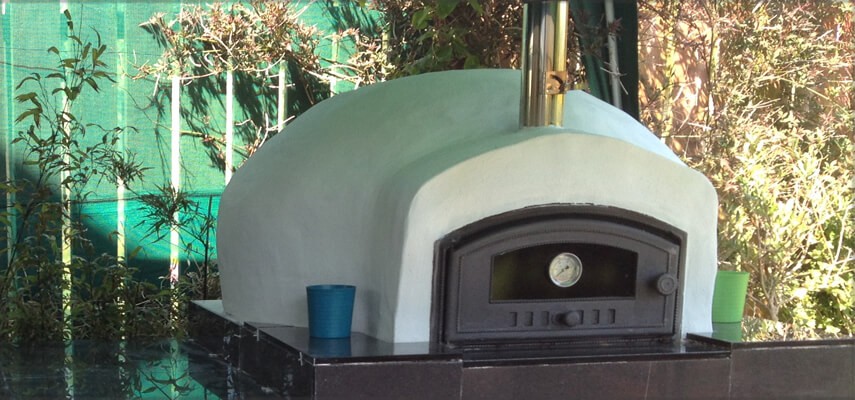
VITCAS manufactures refractory and insulation materials for wood-fired pizza and bread ovens, brick barbecues, fire pits, tandoor ovens, smokers and other outdoor high-temperature cooking projects. The range supports complete oven installations as well as bespoke DIY builds, refractory linings, insulation and outdoor masonry exposed to repeated heating and cooling.
Choose from ready-to-assemble wood-fired ovens or build a custom outdoor cooking feature using fire bricks, refractory cements, heatproof screeds and high-temperature insulation. Dedicated application guides cover pizza oven construction, thermal insulation, barbecue fireboxes, fire pits, tandoors and smokehouses so materials can be matched to the thermal and structural function they perform.
Whether the goal is fast high-temperature pizza baking, live-fire grilling, slow smoking or an outdoor fire feature, start with the cooking or heating method: it determines where thermal mass is needed, where heat loss should be reduced and which joints must withstand both high temperatures and outdoor weather exposure.
Choose Materials for Your Outdoor Cooking & Fire Project
Outdoor ovens, barbecues, smokers and fire pits all operate with high temperatures, but their construction requirements are different. A pizza oven needs a heat-storing cooking chamber and effective insulation, a barbecue requires a durable refractory firebox, a smoker depends on controlled heat and smoke flow, while a fire pit must withstand direct flame and repeated outdoor exposure.
VITCAS application guides help match the construction method to suitable refractory materials, insulation and jointing products rather than applying one standard build to every outdoor fire installation.
Outdoor Cooking & Fire Application Guide
| Project | Recommended VITCAS Route | Main Design Priority |
|---|---|---|
| Ready-to-use garden pizza oven | Garden Pizza Ovens | Oven size, cooking capacity, base, insulation and outdoor installation |
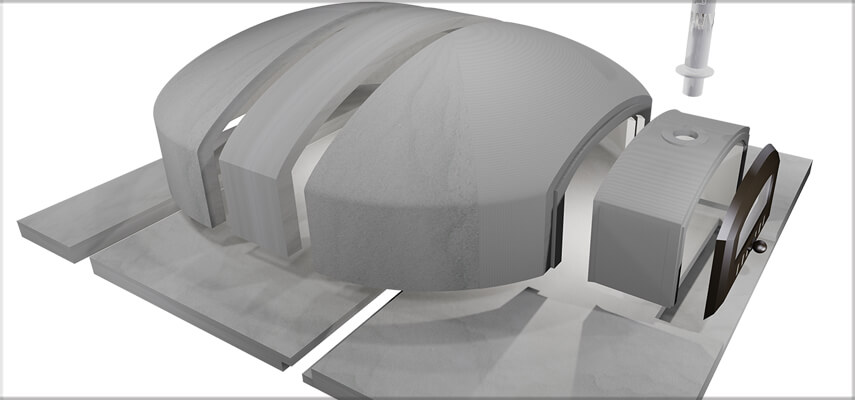
| Modular wood-fired oven | Pre-Made & Modular Pizza Ovens | Ready-formed refractory chamber with suitable support and insulation |
| Custom pizza or bread oven | Build Your Own Pizza Oven | Firebrick chamber, cooking floor, arch, insulation, flue and weather-resistant finish |
| Pizza oven insulation | Outdoor Oven Insulation | Reducing heat loss through the oven floor, dome and external construction |
| Permanent or precast fire pit | Fire Pit Construction | Direct-flame resistance, refractory lining, stable support and outdoor durability |
| Brick barbecue | Build a Brick Barbecue Grill | Heat-resistant firebox separated from the supporting masonry structure |
| Tandoor oven | Construct a Tandoor Oven | High-temperature cylindrical cooking chamber, refractory construction and insulation |
| Smoker or smokehouse | Build a Smoker & Smokehouse | Controlled heat, smoke path, suitable fire chamber and durable masonry construction |
Wood-Fired Pizza & Bread Ovens
Wood-fired ovens combine refractory thermal mass and thermal insulation. Dense fire bricks or precast refractory sections form the cooking chamber and absorb heat during firing, while lower-conductivity insulation beneath and around the chamber reduces unwanted heat loss.
For customers who prefer a defined oven geometry and simpler assembly, VITCAS supplies pre-made and modular pizza ovens. For bespoke dimensions and finishes, the DIY pizza oven route allows the floor, dome or tunnel, entrance, insulation and exterior to be designed as one complete system.
Fire Bricks for Outdoor Cooking
Dense VITCAS fire bricks are suited to heat-exposed construction in pizza ovens, bread ovens, barbecue fireboxes, smokers and fire pits. Standard dense fireclay bricks are rated for continuous service up to 1300°C and provide refractory durability together with useful thermal mass.
The bricks should be used where dense refractory masonry is required. Structural foundations, outer decorative masonry and insulation perform different functions and should be selected separately according to the project design.
Outdoor Oven Cement for Firebrick Joints
VITCAS Outdoor Oven Cement is a hydraulic-setting refractory mortar developed for exterior firebrick jointing in pizza ovens, bread ovens, barbecues, smokehouses and fire pits.
Unlike heat-setting fire cements intended for other applications, Outdoor Oven Cement sets without firing and is formulated to resist rain and frost after installation. This makes it particularly useful for refractory joints exposed to outdoor conditions.
Heatproof Screed for Bases, Shaping & Larger Refractory Sections
VITCAS Heatproof Screed is rated up to 1400°C and can be used for compatible high-temperature screeding, refractory repairs and formed sections in outdoor ovens, barbecues and related installations.
Joint or section thickness matters when choosing between refractory materials. For example, VITCAS recommends Outdoor Oven Cement for suitable outdoor firebrick joints of approximately 3–10mm, while Heatproof Screed is appropriate for compatible larger gaps and shaped refractory sections.
Insulating an Outdoor Pizza Oven
Insulation reduces heat flow away from the refractory cooking chamber, helping the oven retain useful stored heat for baking and subsequent cooking stages. A typical oven design may therefore use insulation both beneath the cooking floor and around the dome or chamber.
The Outdoor Oven Insulation application includes ceramic fibre boards and blankets together with compatible adhesives, reinforcement and finishing materials. Insulation thickness and temperature capability should be matched to the oven construction rather than selected solely by the highest available rating.
Building a Brick Barbecue
A permanent brick barbecue should separate the load-bearing masonry from the highest-temperature firebox zone. Dense fire bricks provide a refractory lining around the fuel bed, while compatible outdoor refractory mortar forms the firebrick joints.
The finished barbecue also requires a stable non-combustible base, suitable metal fuel supports and cooking grids, airflow and sufficient separation from fences, decking, vegetation and other combustible materials. See Build a Brick Barbecue Grill for the dedicated construction guide.
Fire Pit Construction
Fire pits can be built as in-ground, ground-level or raised features and may serve as both a heat source and an outdoor cooking area. Heat-exposed sections require materials that tolerate direct flame, radiant heat and repeated thermal cycling.
The Fire Pit Construction range includes a precast refractory fire pit together with fire bricks, Outdoor Oven Cement and Heatproof Screed for compatible custom-built projects.
Tandoor Oven Construction
A tandoor operates with intense heat within a deep, predominantly vertical cooking chamber. Its refractory structure must tolerate direct flame and high wall temperatures while supporting the thermal conditions used for bread, skewered meats and other traditional tandoor cooking.
The Construct a Tandoor Oven application focuses on refractory and insulation materials suited to building and protecting compatible high-temperature tandoor structures.
Smokers & Smokehouses
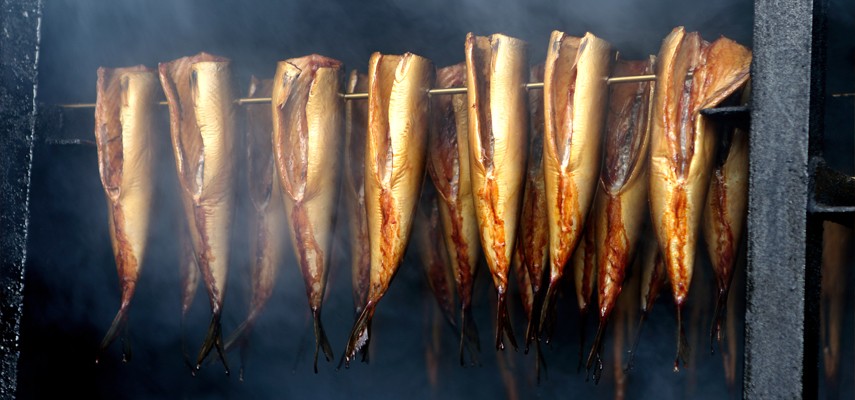
A smoker operates differently from a pizza oven or open barbecue because cooking depends on controlled heat and smoke exposure rather than maximum chamber temperature. Construction should therefore support a suitable fire chamber, smoke path and cooking space while maintaining durable heat-exposed masonry around the combustion zone.
See Build a Smoker & Smokehouse for materials and guidance relevant to compatible brick smoker and smokehouse projects.
Thermal Mass vs Insulation in Outdoor Cooking
Thermal mass and insulation solve different problems. Dense fire bricks and refractory materials absorb and store heat, while ceramic fibre boards, blankets and other insulation materials reduce heat transfer away from the cooking chamber.
A well-designed pizza oven often requires both. In a barbecue or fire pit, the emphasis may instead be on refractory durability around direct flame, while a smoker may use insulation selectively to stabilise chamber temperature. Material choice should therefore follow the cooking method and construction geometry.
Outdoor Weather Exposure
Outdoor refractory structures experience rain, frost, moisture and seasonal temperature changes in addition to heat from firing. Products exposed directly to outdoor conditions should therefore be suitable for the intended exterior application, and the completed construction should prevent unnecessary water accumulation within refractory and insulation layers.
Where insulation blankets or boards are used beneath an external finish, the outer construction should provide the weather protection specified for that system. Allow refractory materials to dry appropriately before initial or subsequent high-temperature firing where required by their product instructions.
Selecting Materials for an Outdoor Oven, BBQ or Fire Pit
- Cooking chamber or firebox: use dense refractory materials where direct heat resistance and thermal mass are required.
- Outdoor firebrick joints: use a refractory mortar intended for exterior exposure and the required joint thickness.
- Larger refractory sections: select a suitable screed or castable-type material according to depth and geometry.
- Insulation: use lower-conductivity materials where heat loss from the cooking chamber should be reduced.
- Supporting structure: provide a stable non-combustible base suitable for the weight and dimensions of the completed installation.
- Weather protection: protect insulation and refractory layers according to the outdoor construction system.
- Cooking method: design the thermal mass, airflow and chamber geometry around pizza baking, grilling, smoking, tandoor cooking or open-fire use.
The best outdoor cooking installation starts with the intended cooking process and then assigns each layer a clear job: support the structure, contain the fire, store useful heat, limit unwanted heat loss or protect the finished build from the weather.
Frequently Asked Questions About Pizza Ovens, BBQs & Fire Pits
Are ordinary building bricks suitable inside a pizza oven or barbecue firebox?
Heat-exposed areas are better built or lined with refractory materials designed for repeated high-temperature service. VITCAS fire bricks are rated up to 1300°C and are intended for applications including pizza ovens, barbecues, fireplaces and fire pits.
What mortar should I use between fire bricks outdoors?
For compatible exterior firebrick construction, VITCAS recommends Outdoor Oven Cement. It is hydraulically setting, resistant to rain and frost after installation and is suitable for pizza ovens, barbecues, bread ovens, smokehouses and fire pits.
Should a pizza oven use both fire bricks and insulation?
Yes, in most refractory oven designs they perform complementary functions. Fire bricks provide the cooking surface, refractory durability and thermal mass, while insulation beneath and around the chamber reduces heat loss from the stored-energy system.
What should be used under the cooking floor of a pizza oven?
The floor requires a stable supporting construction together with suitable thermal design. VITCAS fire bricks can form the cooking surface, while compatible insulation board beneath the refractory floor can reduce downward heat loss where the oven design specifies an insulated base.
What is the difference between Outdoor Oven Cement and Heatproof Screed?
Outdoor Oven Cement is designed primarily for compatible exterior firebrick joints, including joints of approximately 3–10mm. Heatproof Screed is suited to thicker refractory sections, larger compatible gaps, screeding and shaped high-temperature work.
Does a barbecue need the same insulation as a pizza oven?
Not necessarily. A pizza oven relies heavily on storing and retaining heat within an enclosed chamber, while an open barbecue is primarily concerned with a durable refractory zone around the fuel and cooking area. The amount and position of insulation should therefore follow the design and cooking method.
Can the same refractory materials be used for fire pits and pizza ovens?
Some materials, including fire bricks, VITCAS OC Outdoor Oven Cement and HPS Heatproof Screed, have applications in both types of construction. Their position and function are different, however, so the build should follow the geometry, joint requirements and thermal conditions of the specific project.
What is the main difference between a smoker and a wood-fired pizza oven?
A pizza oven is designed around high chamber temperatures and stored refractory heat, while a smoker prioritises controlled lower-temperature cooking and managed smoke flow. This changes the required chamber geometry, airflow and distribution of refractory and insulation materials.
Can outdoor refractory materials remain exposed to rain?
Some products, such as VITCAS OC Outdoor Oven Cement, are formulated for exterior exposure after setting, but not every refractory or insulation material is intended to remain directly exposed to weather. The complete structure should include suitable weather protection for the materials used.
Should a new pizza oven, barbecue or fire pit be fired immediately after construction?
Follow the drying and initial-heating instructions for the specific refractory mortars, screeds, cast components and insulation system. Controlled drying and progressive heating allow retained construction moisture to leave the build before normal high-temperature operation.