
High-Temperature Textiles
High Temperature Textiles - Heat Resistant Insulation Materials
Vitcas high temperature textiles are engineered for use in high-heat industrial and commercial environments, offering reliable thermal insulation, flame resistance, and mechanical durability. Manufactured from advanced fibres such as glass fibre, ceramic fibre, silica, and basalt, the range includes products capable of withstanding continuous temperatures from 180°C to 1260°C. These textiles are ideal for applications in fire protection, heat containment, equipment insulation, and high-temperature sealing across sectors including power generation, metallurgy, automotive, marine, and manufacturing.
Thermal Protection from 180°C to 1260°C
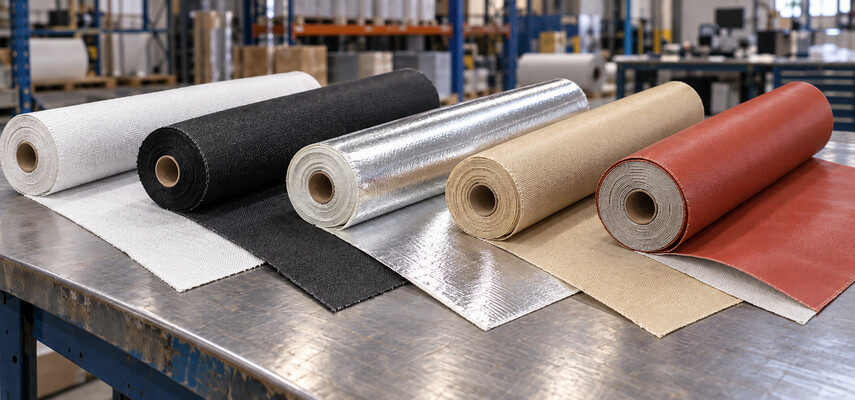
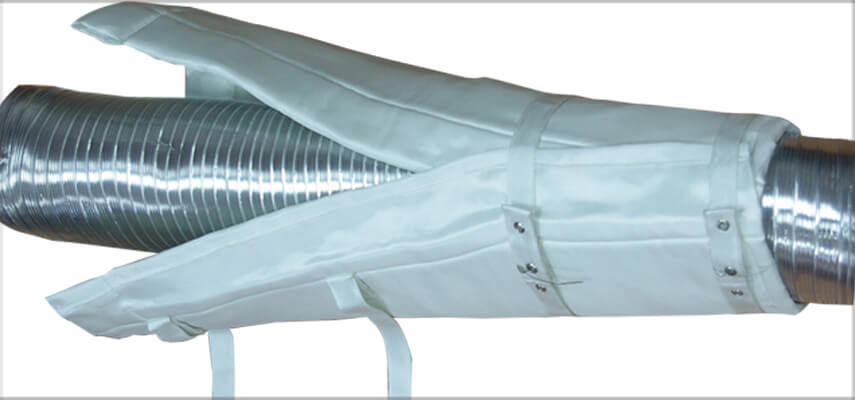
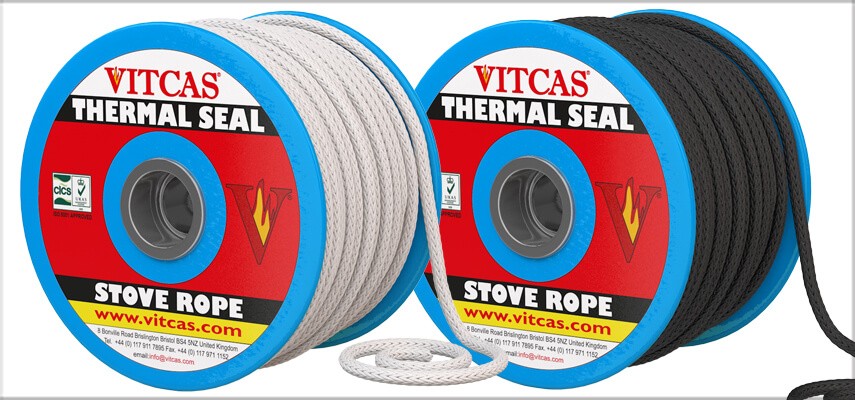
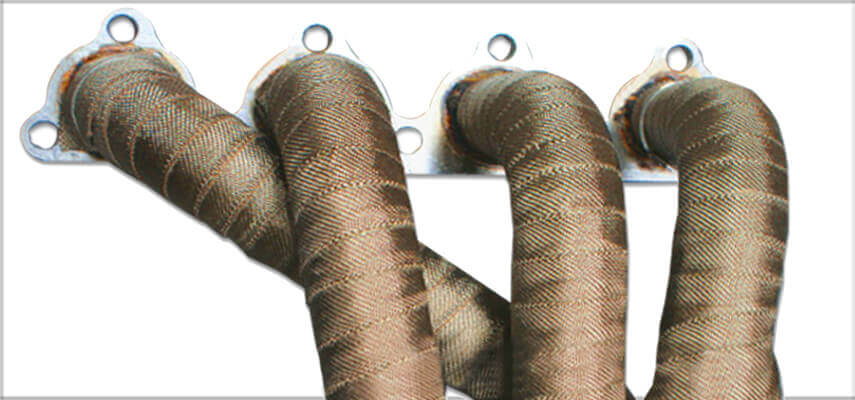
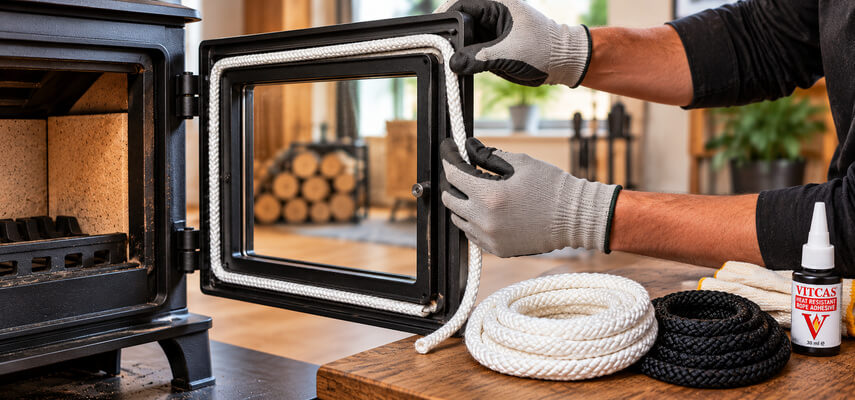
Vitcas offers a wide selection of thermal textile solutions including: Thermal Fire Ropes - braided and knitted sealing ropes for stoves, boilers, and flues. Thermal Tapes and Webbing - for insulating gaps, pipework, and flanges. High Temperature Fabrics - loomstate and coated fabrics for curtains, blankets, and shields. Insulation Jackets - removable covers for valves, pipework, and industrial plant equipment. Lagging Ropes and Ceramic Sealing Strip - for furnaces, kilns, and fire door seals. Needle Mat Felt - high-density insulation for acoustic and thermal applications. Exhaust Pipe Insulation Wraps - for automotive and industrial exhaust heat control. High Temperature Sewing Threads - for assembling and repairing insulation products. Electrical Insulation Tapes - for thermal and dielectric protection of cables. Filtration Fabrics - used in high-temperature dust and gas filtration systems.
Applications
- Foundries & Metalworks - Used in furnace linings, welding curtains, molten metal splash protection, and refractory sealing.
- Power Generation & HVAC - Applied in thermal insulation jackets, boiler lagging, ductwork insulation, and expansion joint wraps.
- Automotive & Marine - Essential for exhaust heat wraps, turbo shields, cable and hose protection, engine bay insulation, and silencer lagging.
- Fire Safety & Construction - Used in fire curtains, fire doors, thermal blankets, smoke barriers, and passive fire protection systems in buildings.
- Industrial Insulation & Manufacturing - Suitable for stitching, sealing, and fabricating insulation covers, filter housings, and heat-resistant gaskets.
- Oil, Gas & Petrochemical - Applied in pipeline insulation, valve covers, flange wraps, and splash protection in refineries and processing plants.
- Aerospace & Defence - Used in thermal shielding for engine components, heat protection in testing environments, and flexible insulation in aircraft systems.
- Glass & Ceramics Industry - For kiln linings, heat containment, and insulation of equipment exposed to molten glass or extreme radiant heat.
- Rail & Public Transport - Integrated into thermal barriers, engine compartment insulation, and passive fire protection in rolling stock and infrastructure.
- Laboratory & Research - Employed in high-temperature enclosures, thermal glove boxes, and insulation for experimental equipment.
- Stoves, Fireplaces & Chimneys - Ideal for sealing doors, joints, and flue systems in wood-burning stoves, open fireplaces, pizza ovens, and chimney assemblies
FAQ
What are high temperature textiles used for?
They are used for thermal insulation, heat containment, sealing and protection in equipment exposed to elevated temperatures. Typical applications include stoves, boilers, furnaces, kilns, exhaust systems, pipework, cables and industrial machinery. The required textile form and fibre type depend on the operating temperature, installation area and type of heat exposure.
How do I choose the right high temperature textile for my application?
Choose a textile according to its continuous temperature rating, material composition, flexibility and required mechanical strength. Glass fibre, silica, ceramic fibre and basalt textiles offer different levels of heat resistance and suitability for insulation, sealing or shielding. Always compare the product specification with the expected operating temperature and any exposure to abrasion, flames, chemicals or molten material.
What is the difference between heat resistant rope, tape, fabric and sleeving?
Heat resistant rope is mainly used for sealing, tape is suited to wrapping and insulating flat areas, fabric creates larger barriers or covers, and sleeving protects cables and hoses. Each form is designed to fit a different surface shape and installation method while limiting heat transfer or closing high-temperature gaps. Select the format that provides secure coverage without excessive stretching, compression or movement during operation.
Can high temperature textiles be cut or sewn to size?
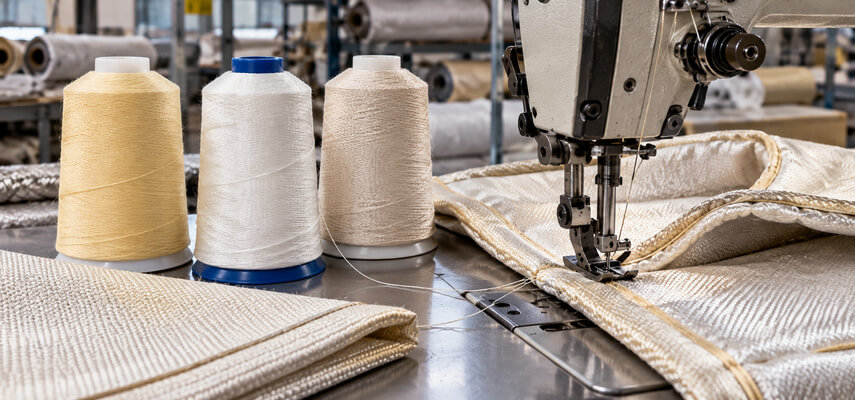
Many high temperature textiles can be cut or sewn, provided that suitable tools and compatible heat resistant thread are used. Cutting and stitching methods depend on the fibre structure, coating and tendency of the material to fray at the edges. Wear appropriate protective equipment and follow the product instructions when fabricating insulation jackets, curtains, shields or custom seals.
What temperature can high temperature textiles withstand?
The maximum temperature depends on the fibre, construction and coating of the individual textile. Different materials are designed for continuous service temperatures ranging from approximately 180°C to 1260°C, so one textile cannot be used safely in every high-heat application. Check the stated continuous operating limit rather than choosing a product solely by its appearance, thickness or general description.