
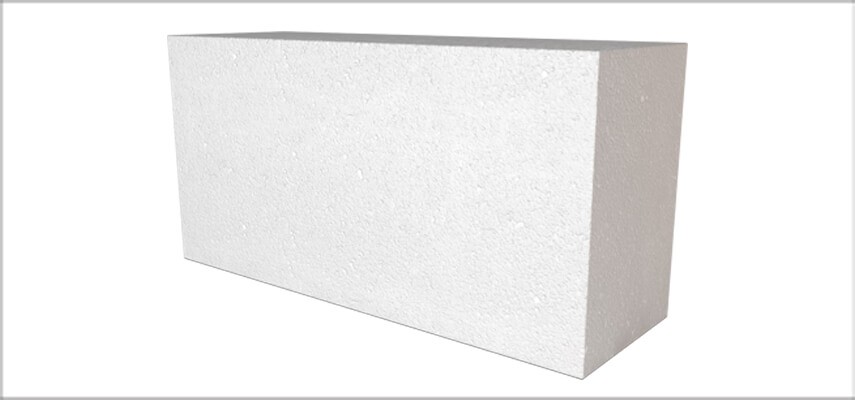

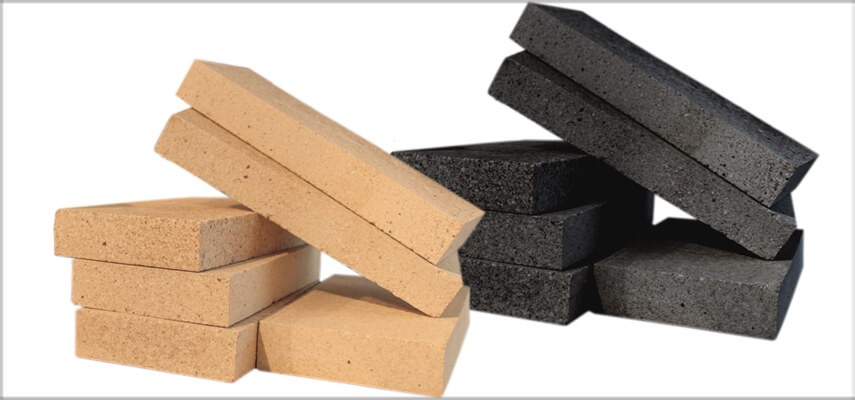

Fire Bricks
Fire Bricks for Stoves, Ovens, Fireplaces and Industrial Kilns
VITCAS manufactures fire bricks and refractory brick technologies for domestic, commercial and industrial high-temperature applications, including wood-burning stoves, fireplaces, pizza and bread ovens, barbecues, kilns, furnaces, forges and process equipment.
Solutions include dense fireclay and high-alumina bricks for strength and thermal mass, lightweight insulating fire bricks for reduced heat transfer, replacement fireclay and vermiculite bricks, decorative coloured formats, tapered arch bricks and acid-resistant refractory bricks for specialised chemical environments.
Each brick technology is designed for a different thermal, mechanical or chemical duty. Select according to lining position, operating temperature, required heat storage or insulation, mechanical loading, abrasion, atmosphere, chemical exposure and geometry. The complete refractory system should also use compatible jointing materials, insulation and expansion detailing appropriate to the application.
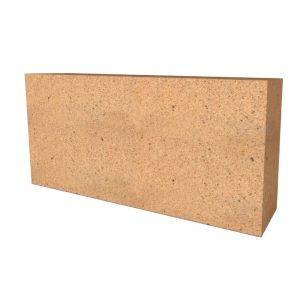 Fire Bricks 230x114x64mmSpecial Price £2.40 £2.00 Regular Price £4.79 £3.99 As low as £2.04 £1.70
Fire Bricks – VITCAS Refractory Fire Clay Bricks 230x114x64mm. High-temperature fire bricks engineered for domestic and outdoor use, including fireplaces, stoves, pizza ovens, barbecue grills, heating appliances and furnaces. Suitable for both indoor and outdoor pizza ovens, these durable refractory fire bricks deliver excellent heat resistance and long-lasting thermal performance.
Read more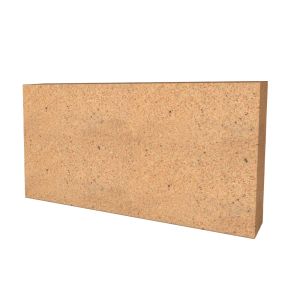 Fire bricks 230x114x32mmSpecial Price £2.40 £2.00 Regular Price £4.79 £3.99 As low as £1.56 £1.30
VITCAS Refractory Fire Bricks are expertly crafted for use in a variety of high-temperature domestic applications. Ideal for wood burning stoves, solid fuel cookers, ranges, fireplaces, barbecues and wood-fired pizza ovens, they are designed to efficiently manage intense heat. Whether you're baking a pizza or cosying up by the fireplace, these bricks ensure durability and optimal heat distribution.
Read more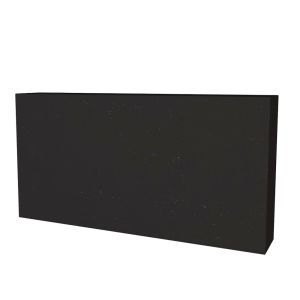 VITCAS Fire Bricks-BlackSpecial Price £3.00 £2.50 Regular Price £4.80 £4.00 As low as £1.92 £1.60
Charcoal Black Fire Bricks provide a unique fusion of style and functionality. These firebricks boast a deep, charcoal black hue, exuding a contemporary, chic appeal. Perfectly suited for high-temperature environments like fireplaces, wood-fired pizza ovens and barbeques, they offer not just a striking visual impact but also unparalleled durability and efficient heat management.
Read more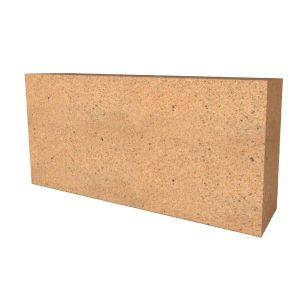 VITCAS Fire bricks 230x114x76mmSpecial Price £3.00 £2.50 Regular Price £4.79 £3.99
VITCAS Fire Bricks, made with 42% Alumina content. Sized at 230 x 114 x 76mm and designed to endure extreme conditions up to 1430°C. Ideal for a range of high-temperature applications including kiln linings, ceramics, metal casting, forges, and brazing hearths, these bricks are the perfect choice for ensuring durability and efficiency in your heat-intensive projects.
Read more VITCAS 6 Fire Bricks Replacement Box for Stoves & FireplacesSpecial Price £14.39 £11.99 Regular Price £23.99 £19.99
VITCAS Fire Bricks Replacement Box contains six high-density fireclay bricks, specially designed for replacing worn or damaged firebox linings in fireplaces and compatible wood-burning or multi-fuel stoves. Also suitable for wood-fired ovens and barbecue grills, these durable refractory bricks withstand temperatures up to 1300°C (2370°F), providing excellent heat resistance, thermal durability and heat-retention properties.
Read more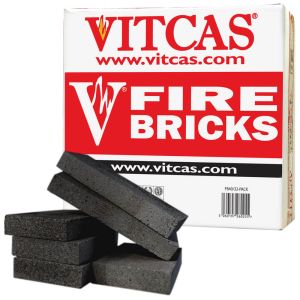 VITCAS Fire Bricks-6 Black for Stoves & FireplacesSpecial Price £17.99 £14.99 Regular Price £31.19 £25.99
VITCAS Black Fire Bricks Replacement Pack of 6 decorative black clay fire bricks for barbeque grills, outdoor ovens, stoves and fireplaces. Coloured fire bricks have a high temperature rating up to 1200oC.
Read more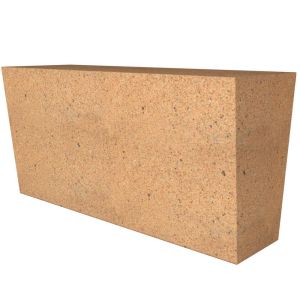 VITCAS Arch Fire bricksSpecial Price £3.00 £2.50 Regular Price £6.00 £5.00
Vitcas Arch Fire Bricks. Dimensions: 230mm x 114mm x54mm ->76mm. Used to form the arch of a doorway in a Wood Fired Bread/ Pizza Oven or is used to construct the roof of a tunnel shaped oven.
Read more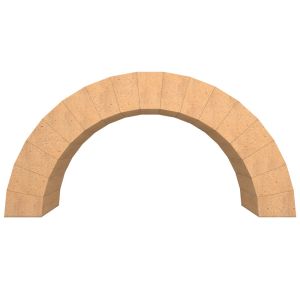 Fire Bricks Arch Set of 17 bricksSpecial Price £51.00 £42.50 Regular Price £72.00 £60.00
Vitcas Fire Bricks Arch Set – Size 230mm x 114mm x54mm ->76mm. The set consists of 17 arch fire bricks which can be used to form the arch a doorway of a Wood Fired Pizza Oven or used to construct the roof of a tunnel shape oven.
Read more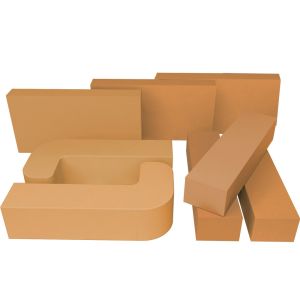 Vitcas-Fire Bricks-Yellow£3.00 £2.50 Regular Price £4.80 £4.00
Sand Yellow Fire Bricks - where functionality meets a warm aesthetic. Their soft, sand-yellow hue evokes the tranquillity of sunlit beaches, adding a light, airy touch to any setting. Ideal for fireplaces, garden wood-fired pizza ovens and barbeques, due to their exceptional heat resistance and enduring quality.
Read more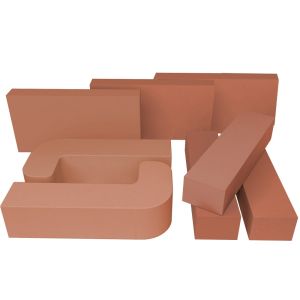 VITCAS Fire Bricks-Red£3.00 £2.50 Regular Price £4.80 £4.00
Red Fire Bricks, expertly manufactured for both function and beauty. These red-hued bricks are perfect for adding a touch of colour and elegance to any setting. Ideal for use in fireplaces, wood-fired ovens, barbeques, and other heating applications, they not only enhance the aesthetic appeal of your space but also provide durable and efficient heat resistance.
Read more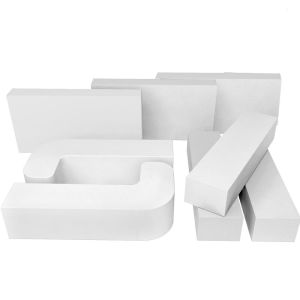 Vitcas-Fire Bricks-White£3.00 £2.50 Regular Price £4.80 £4.00
Coloured Fire Bricks in an antique Off White shade. These firebricks are perfect for decorative purposes in both interior and exterior settings. Ideal for use in wood-fired bread and pizza ovens, barbeques and fireplaces, they add a sophisticated touch to any space while offering functional versatility.
Read more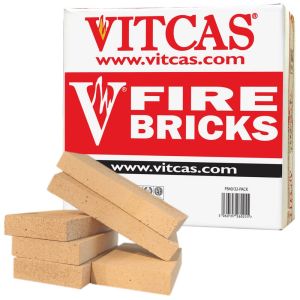 Vermiculite Fire BricksSpecial Price £14.40 £12.00 Regular Price £30.00 £25.00
Vermiculite Fire Bricks are a set of 6 fire-resistant bricks made from natural minerals. Measuring 200 x 90 x 25mm (7.8" x 3.5" x 1") each, these bricks have low thermal conductivity for greater energy efficiency and can be sawn, drilled, and sanded to fit any fireplace or wood-burning stove. Perfect for creating a heat-resistant barrier that contains heat and prevents damage to the surrounding area.
Read more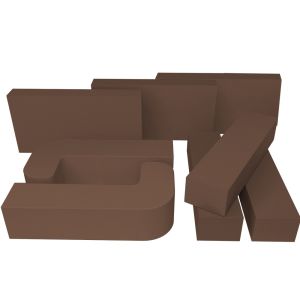 VITCAS Fire Bricks-Brown£3.00 £2.50 Regular Price £4.80 £4.00
Earthy Brown Fire Bricks, exuding a natural, earth-toned radiance. Made to complement any setting, these bricks emanate rustic elegance and organic beauty. Perfectly suited for fireplaces, outdoor pizza ovens and barbeques, they not only enhance your space with their warm, earthy hues but also offer outstanding durability and superior heat resistance.
Read more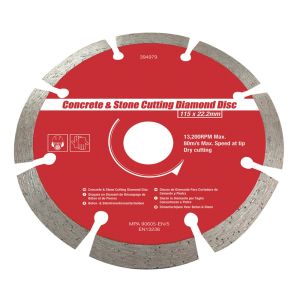 Brick & Concrete Cutting Diamond DiscSpecial Price £5.99 £4.99 Regular Price £8.39 £6.99
Brick & Concrete Cutting Diamond Disc is designed for cutting fire bricks, outdoor pizza oven bases, and concrete materials. It must be attached to a grinder or other power tool for use. The diamond cutting disc is durable and ensures precise cutting across various materials.
Read more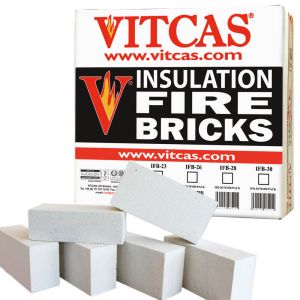 Insulating Fire Bricks-VITCAS Grade 26 -2600°F/ 1430°CSpecial Price £3.35 £2.79 Regular Price £8.39 £6.99
Vitcas Insulation Fire Bricks- Grade 26. Resistant to 1430°C (2600°F). Dimensions: 230x114x76mm. The insulating firebricks can be used in a variety of high temperature industrial applications, such as in insulating refractories- gas producers, kilns, furnaces and stress relieving furnaces.
Read more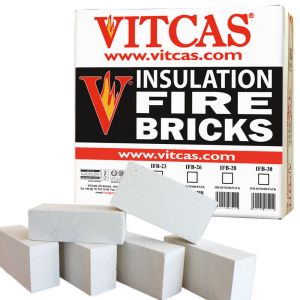 Insulating Fire Bricks-VITCAS Grade 23 - 2300°F/ 1260°CSpecial Price £2.76 £2.30 Regular Price £7.19 £5.99
Vitcas Insulation Firebricks- Grade 23. Resistant to a high temperature of 1260°C / 2300°F. Dimensions: 230x114x76mm. Ideal for situations where heat storage properties are not desired, and for insulating in different refractories- ceramic kilns, furnaces, flues and other high temperature industrial equipment.
Read more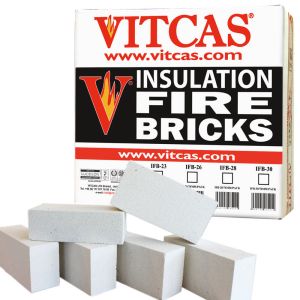 Insulating Fire Bricks-VITCAS Grade 28 -2800°F/ 1530°CSpecial Price £4.56 £3.80 Regular Price £9.59 £7.99
Vitcas Insulation Firebricks- Grade 28. Dimensions: 230x114x76mm. Resistant to 1530°C / 2800°F. The lightweight insulating fire bricks can be used in different industrial applications such as in lining ceramic kilns and furnaces, in areas that are not in contact with molten materials, etc.
Read more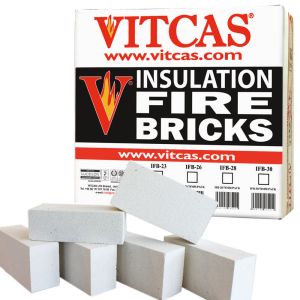 Insulating Fire Bricks-VITCAS Grade 30 -3000°F/ 1650°CSpecial Price £5.88 £4.90 Regular Price £11.94 £9.95
Vitcas Insulation Firebricks- Grade 30. Dimensions: 230x114x76mm. Rates at 1650°C / 3000°F. The lightweight insulation fire bricks can be used for industrial applications such as in hot blast stoves, as primary hot face linings, for back up insulation for kilns and furnaces and for flue insulation.
Read more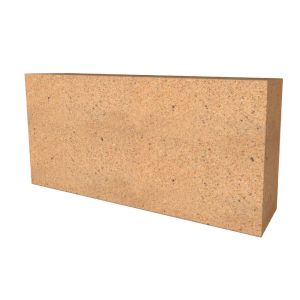 VITCAS Refractory Fire bricks 60% AL2O3Special Price £4.20 £3.50 Regular Price £6.00 £5.00
VITCAS Fire Bricks, 60% Alumina, sized at 230x114x64mm. These high-grade refractory bricks are designed for extreme temperatures up to 1600°C / 2910°F. Ideal for demanding applications like kiln linings, ceramics, metal casting, forges, and brazing hearths, they offer exceptional durability for the most challenging environments.
Read more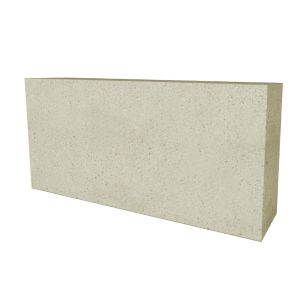 Acid Resistant BricksSpecial Price £3.60 £3.00 Regular Price £4.80 £4.00
Vitcas Acid Resistant Clay Firebricks are heat resistant to 400°C / 752°F. The acid resistant bricks are also resistant to chemicals including most mineral acids and resistant to abrasion. They are suitable for use in applications such as in power generation and in the cement, steel, and aluminium industries.
Read more
Choosing the Correct Fire Brick for the Application
VITCAS fire bricks and refractory brick technologies for domestic, commercial and industrial high-temperature applications. Different brick types perform different functions within a lining: dense fireclay provides strength and thermal mass, high-alumina refractory bricks extend performance into demanding furnace conditions, insulating fire bricks reduce heat flow and refractory mass, while specialist shaped, decorative, replacement and acid-resistant products address specific installation requirements.
Fire brick selection should therefore begin with the required function of the lining rather than maximum temperature alone. Consider operating temperature, heat storage or insulation, mechanical loading, abrasion, atmosphere, chemical exposure, thermal cycling, geometry, jointing material and the design of the complete refractory system.
Fire Brick Families at a Glance
| Fire brick technology | Temperature capability | Thermal and mechanical behaviour | Typical applications | Key selection factor |
|---|---|---|---|---|
| Dense fireclay bricks | Up to 1300°C | Dense, mechanically durable and heat-accumulating | Pizza and bread ovens, fireplaces, barbecues, stoves and refractory masonry | Thickness, thermal mass, mechanical duty and lining geometry |
| High-alumina refractory bricks | Grades including 1430°C and 1600°C | Dense working-face materials for more demanding refractory service | Kilns, furnaces, forges, incinerators, cremators and industrial hearths | Alumina content, temperature, atmosphere, abrasion and process chemistry |
| Insulating fire bricks | 1260°C to specialist grades up to 1760°C | Lightweight and porous with low thermal mass and low thermal conductivity | Kilns, furnaces, forges, flues, hot-face insulation and back-up linings | Temperature class, lining position, mechanical load and insulation requirement |
| Replacement fire bricks | Material and grade dependent | Dense heat-storing or lightweight insulating replacement materials | Wood-burning and multi-fuel stoves, fireplaces and heating appliances | Match original material, dimensions, thickness and retaining arrangement |
| Decorative coloured fire bricks | Up to 1200°C | Dense fireclay combining refractory function with a decorative finish | Fireplaces, ovens, barbecues and visible refractory features | Temperature, colour, format, weather exposure and jointing system |
| Tapered arch bricks | Up to 1300°C | Dense wedge-shaped refractory units for controlled radial masonry | Oven entrances, tunnel roofs, arches and curved refractory structures | Span, rise, brick orientation, abutments and joint geometry |
| Acid-resistant bricks | Up to 400°C | Low porosity with abrasion and chemical resistance | Chemical-process floors, pits, vessels, chimneys and industrial structures | Chemical compatibility, concentration, temperature and jointing system |
Fire Brick Technologies
Dense Fireclay Bricks for Heat Storage
VITCAS standard dense fireclay bricks contain a minimum of 40% Al2O3 and are rated to 1300°C. Their compact refractory structure combines mechanical durability with useful thermal mass for ovens, fireplaces, barbecues and other compatible high-temperature masonry.
The 230 × 114 × 64mm fire brick provides greater refractory mass per unit area, while the 230 × 114 × 32mm fire brick provides the same face dimensions in a thinner section.
Dense fireclay absorbs heat during firing and releases it progressively as the temperature falls. This makes it particularly useful in heat-storage applications such as bread and pizza ovens. Thermal mass should not be confused with thermal insulation: where reducing heat loss is important, dense brick can be combined with a suitable insulating layer.
High-Alumina Refractory Bricks for Industrial Duty
VITCAS dense refractory fire bricks include high-alumina grades for kiln, furnace, forge and process applications requiring greater refractoriness or different material chemistry than standard fireclay.
Examples include a 42% alumina brick rated to 1430°C and a 60% alumina brick rated to 1600°C. Selection should consider atmosphere, abrasion, mechanical load, thermal cycling and process chemistry as well as maximum temperature.
Direct contact with molten metal, slag, flux or glass requires chemistry-specific assessment. A brick with a suitable temperature classification is not automatically compatible with every molten or chemically aggressive process material.
Insulating Fire Bricks for Reduced Heat Loss
VITCAS insulating fire bricks, or IFBs, use a controlled porous structure to reduce density, heat storage and thermal conductivity. They are used where limiting heat transfer and refractory mass is an important part of kiln, furnace, forge or process-equipment design.
VITCAS IFB technologies include Grades 23, 26, 28 and 30, covering temperature classifications from 1260°C to 1650°C, together with specialist Grade 32 technology rated to 1760°C.
IFBs can form hot-face linings in suitable clean-duty applications or provide back-up insulation behind a stronger dense refractory working face. Their low-density structure makes them lighter and more insulating than dense firebrick, but also less resistant to heavy impact, abrasion and concentrated mechanical loading.
Replacement Fire Bricks for Stoves and Fireplaces
VITCAS replacement fire bricks provide dense fireclay and lightweight vermiculite options for compatible stoves, fireplaces and heating appliances.
Dense fireclay provides greater mechanical durability and heat-storage capacity, while vermiculite fire bricks provide lightweight thermal insulation and easier shaping. These materials should not be treated as direct substitutes.
Replacement bricks should match the original liner material, thickness, dimensions and retaining arrangement wherever practical. Changing material type can alter heat transfer through the appliance even where the replacement fits the same physical opening.
Decorative Coloured Fire Bricks
VITCAS decorative coloured fire bricks combine refractory fireclay performance with a visible architectural finish for fireplaces, wood-fired ovens, barbecues and other compatible heat-exposed masonry.
Colours include subtle red, antique off white, sand yellow, earthy brown and charcoal black, with temperature capability up to 1200°C. Different brick formats allow visible courses, narrow detailing and shaped corner features to be incorporated into refractory designs.
Natural variation in colour, dimensions and surface appearance is characteristic of fired fireclay. Visible brickwork should be set out with these variations in mind rather than treated as precision ceramic tiling.
Tapered Arch Bricks for Curved Masonry
VITCAS tapered arch fire bricks simplify curved refractory masonry by producing more regular radial joints than rectangular bricks laid in a fan arrangement.
The brick measures 230 × 114mm and tapers from approximately 76mm to 54mm. Arch design should account for span, rise, brick orientation, mortar-joint thickness, temporary formwork and the strength of the supporting abutments.
Acid-Resistant Bricks for Chemical Environments
VITCAS acid-resistant bricks are low-porosity refractory clay units designed primarily for chemical durability, mechanical strength and abrasion resistance at temperatures up to 400°C.
They are suitable for compatible chemical-process floors, pits, tanks, vessels, chimneys and other industrial structures exposed to mineral acids other than hydrofluoric acid. Chemical identity, concentration, operating temperature and exposure conditions should be considered together with the complete lining system.
Where chemical resistance is required through the joints as well as the brickwork, use a compatible system such as Acidcas M Acid-Proof Cement Mortar.
Fire Brick Application Guide
| Application | Typical fire brick technology | Why it may suit | Important design factors |
|---|---|---|---|
| Wood-burning stove or fireplace repair | Replacement dense fireclay or vermiculite | Allows damaged appliance lining to be replaced with a compatible refractory or insulating material | Original material, dimensions, thickness, retaining arrangement and appliance specification |
| Pizza or bread oven floor | Dense fireclay brick | Provides thermal mass and mechanical durability for retained-heat cooking | Floor flatness, brick thickness, insulation, jointing and weather protection |
| Oven entrance or refractory arch | Tapered arch brick | Wedge geometry supports regular radial joints | Span, rise, thrust, abutments, formwork and mortar-joint geometry |
| Ceramic kiln | Insulating fire brick or combined dense/insulating lining | Allows thermal mass, mechanical strength and heat loss to be engineered by zone | Firing temperature, atmosphere, thermal cycle, element temperature and mechanical wear |
| Forge hearth or furnace working face | Dense refractory or high-alumina brick | Provides refractory mass and mechanical durability | Temperature, workpiece loading, burner impingement, flux, slag and process chemistry |
| Back-up furnace insulation | Insulating fire brick | Reduces heat transfer towards the furnace casing | Interface temperature, total lining thickness and compatibility with the working face |
| Visible fireplace or outdoor oven feature | Decorative coloured fire brick | Combines refractory capability with a controlled architectural finish | Temperature, colour, weather exposure, jointing and structural support |
| Acidic process floor or vessel lining | Acid-resistant brick with Acidcas M | Provides low porosity and resistance to compatible mineral acids | Chemical identity, concentration, temperature, substrate and joint continuity |
Dense Fire Brick vs Insulating Fire Brick
Dense and insulating fire bricks solve different thermal-design problems. Dense refractory brick provides greater mechanical strength and heat-storage capacity, while insulating fire brick reduces heat flow and refractory mass.
| Property | Dense Fire Brick | Insulating Fire Brick |
|---|---|---|
| Structure | Compact and comparatively heavy | Porous and lightweight |
| Thermal mass | Higher | Lower |
| Heat transfer | Greater than IFB | Lower due to insulating porous structure |
| Mechanical resistance | Better suited to loading, impact and abrasion | Lower resistance to heavy impact and concentrated wear |
| Typical role | Working face, hearth, floor, oven mass or wear zone | Clean-duty hot face or back-up thermal insulation |
Many industrial refractory systems combine both technologies: a dense working face provides mechanical and process resistance while an insulating layer behind it reduces heat flow towards the casing.
Mortars, Cements and Fire Brick Jointing
Fire brick and jointing material function as part of the same refractory system. The mortar or cement should be selected according to brick chemistry, operating temperature, joint thickness and installation environment.
| Brick or installation | Typical VITCAS jointing system | Engineering consideration |
|---|---|---|
| Standard dense fireclay – protected internal construction | HPM Heatproof Mortar, typically for 3–5mm joints | Use controlled thin joints and follow the product preparation, curing and drying instructions |
| Standard fireclay – outdoor oven, barbecue or fireplace masonry | OC Outdoor Oven Cement, typically for 3–10mm joints | The complete exterior construction still requires suitable weather protection and drainage |
| Compatible outdoor joints above 10mm | HPS Heatproof Screed | Large refractory beds should not be used simply to compensate for incorrect or unstable brick geometry |
| 42% alumina refractory brick | Vitset 45 Refractory Mortar | Match joint thickness and installation procedure to the specified refractory masonry system |
| 60% alumina refractory brick | Vitset 45 Refractory Mortar; higher-grade Vitset mortar where the mortar itself requires a higher temperature classification | A higher-rated mortar does not increase the brick's own maximum service temperature |
| Grade 23 insulating fire brick | Silcas M White Refractory Mortar | Maintain thin controlled joints appropriate to lightweight insulating refractory masonry |
| Grades 26, 28 and 30 insulating fire brick | Vitset 45 Refractory Mortar or another correctly specified refractory mortar | Select the mortar according to the complete IFB lining specification |
| Specialist Grade 32 insulating fire brick | Compatible refractory mortar selected for the complete lining specification | Very-high-temperature IFB service requires grade-specific system assessment |
| Acid-resistant brick | Acidcas M Acid-Proof Cement Mortar | The joints should maintain continuity of the chemical-resistant lining system |
For a broader comparison of high-temperature jointing products, see VITCAS refractory mortars. Mortar should not be used to compensate for inaccurate cutting, unstable support, unsuitable brick chemistry or inadequate expansion allowance.
Measuring, Cutting and Installing Fire Bricks
For replacement work, record brick length, width and thickness together with any tapers, holes, rebates, grooves, returns, retaining clips or air passages. Material type should also be identified because visually similar bricks can have very different density and thermal behaviour.
For new refractory masonry, calculate quantities from the selected exposed face and allow for joints, cuts, openings, arches, breakage and maintenance spares. Curved structures should be calculated from their actual brick geometry rather than area alone.
Dense fireclay and high-alumina bricks normally require suitable diamond or refractory cutting equipment. IFBs and vermiculite are easier to machine but are softer and more vulnerable to edge damage or crushing.
Cutting refractory materials can generate respirable mineral dust. Use suitable dust extraction or controlled wet-cutting methods where appropriate, together with suitable respiratory, eye, hearing and hand protection.
Expansion, Drying and First Firing
Refractory masonry expands and contracts during heating and cooling. Suitable movement allowance should therefore be incorporated around walls, corners, arches, openings, penetrations and interfaces with steelwork or other materials.
New refractory masonry also contains moisture from mortar, storage and site conditions. Allow the completed construction to cure and dry before controlled initial heating. Rapid heating of damp refractory can generate steam pressure and contribute to joint failure, cracking or spalling.
The maximum service temperature of a fire brick describes material capability; it does not define the permissible heat-up rate of a newly installed refractory lining.
Handling, Storage and Maintenance
- Store refractory bricks dry, covered and clear of standing water or contaminated ground.
- Handle insulating and vermiculite bricks carefully because their porous structures are softer than dense fireclay.
- Dry-lay decorative or shaped masonry where visual appearance or geometry is important.
- Inspect operating linings for open joints, displaced bricks, erosion, spalling and abnormal deposits.
- Investigate new casing hot spots because they can indicate deterioration of the working lining or insulation.
- For industrial maintenance, retain material specifications where traceability and repeat replacement are important.
Engineering & Application Considerations
- Temperature classification is one selection parameter and should be considered together with mechanical, thermal and chemical duty.
- Dense fire bricks provide strength and thermal mass but do not provide the same insulation performance as IFBs or vermiculite.
- Insulating bricks reduce heat flow and refractory mass but have lower resistance to heavy impact and abrasion than dense refractory units.
- High-alumina content increases refractory capability but does not by itself establish compatibility with every furnace atmosphere or process material.
- Molten metal, slag, flux and glass compatibility is formulation-specific and should be assessed independently from maximum temperature.
- Acid-resistant bricks perform a specialised chemical duty and should not be compared with furnace bricks solely by temperature rating.
- Decorative fireclay can show natural colour, surface and dimensional variation and may change appearance during service.
- The complete refractory system governs performance, including brick, mortar, insulation, movement allowance, structural support and installation quality.
Why Specify VITCAS Fire Bricks?
- Refractory manufacturing expertise across domestic, commercial and industrial high-temperature applications.
- Multiple refractory technologies covering dense fireclay, high-alumina, insulating, vermiculite, decorative, shaped and acid-resistant materials.
- Different alumina and temperature grades allowing refractory chemistry and thermal capability to be matched to the required duty.
- Dense and insulating solutions allowing heat storage, mechanical strength and heat-loss control to be engineered separately within a lining.
- Shaped and decorative refractory products for arches, openings and visible masonry features.
- Specialist chemical-resistant brick systems for compatible acid and abrasion exposure.
- Matched refractory mortars and cements for compatible brick installation and jointing systems.
By selecting brick chemistry, density, alumina content, geometry and jointing system according to the actual thermal, mechanical and chemical duty, VITCAS fire brick technologies can be integrated into refractory linings designed for heat storage, thermal insulation, mechanical durability and specialised process resistance.
Frequently Asked Questions
What is a fire brick?
A fire brick is a refractory or insulating ceramic unit designed for high-temperature applications such as fireplaces, ovens, kilns, furnaces and industrial process equipment. Different fire brick technologies provide different combinations of temperature resistance, mechanical strength, thermal mass, insulation or chemical resistance.
Which fire brick should I choose?
Start with the required lining function and operating temperature, then consider dimensions, mechanical load, heat-storage or insulation requirements, abrasion, atmosphere, chemical exposure and the compatible jointing system.
What is the difference between dense fire bricks and insulating fire bricks?
Dense fire bricks are heavier, mechanically stronger and store more heat. Insulating fire bricks use a lightweight porous structure to reduce thermal conductivity and refractory mass, making them suitable where reducing heat transfer is a primary requirement.
Are fire bricks the same as ordinary building bricks?
No. Fire bricks are manufactured from refractory materials for elevated-temperature service. Ordinary masonry bricks have different compositions and thermal properties and should not be assumed suitable for a refractory working face.
Can fire bricks be used in a wood-burning stove?
Yes, where the material, thickness, dimensions and thermal behaviour match the appliance design. Dense fireclay and vermiculite liners perform different functions and should not be interchanged solely because their external dimensions are similar.
Which fire bricks are suitable for pizza and bread ovens?
Dense fireclay bricks are commonly used where thermal mass and retained heat are required in oven floors, walls and domes. Tapered refractory bricks can simplify arch construction, while suitable insulation should be incorporated to reduce heat loss.
Which fire bricks provide thermal insulation?
Insulating fire bricks and vermiculite products are specifically designed to reduce heat transfer. The correct material, temperature grade and thickness should be selected according to the complete lining design and mechanical duty.
Can insulating fire bricks be used as a furnace hot face?
Yes, in suitable clean-duty applications where temperature, atmosphere, abrasion and mechanical loading remain appropriate for the selected IFB grade. Mechanically demanding or chemically aggressive working faces may require a dense or specialist refractory layer.
Can fire bricks be cut?
Yes. Dense fireclay and high-alumina bricks generally require suitable diamond or refractory cutting equipment. IFBs and vermiculite are easier to machine but require careful handling because their porous structures are softer.
Which mortar should be used with fire bricks?
The correct mortar depends on brick chemistry, temperature, installation environment and joint geometry. VITCAS systems include HPM Heatproof Mortar for compatible internal firebrick construction, OC Outdoor Oven Cement for suitable outdoor joints, Vitset and Silcas refractory mortars for higher-temperature masonry, and Acidcas M for compatible acid-resistant brick systems.
Do fire brick linings require expansion allowance?
Yes. Refractory masonry expands and contracts during heating and cooling. Movement detailing should reflect the brick type, lining dimensions, geometry, operating temperature and surrounding restraint.
Can fire bricks contact molten metal, slag or glass?
Only where the selected refractory composition is compatible with the specific process material and exposure conditions. Maximum service temperature alone does not establish resistance to wetting, penetration or chemical reaction with molten metal, slag, flux or glass.
How should new fire brick masonry be fired for the first time?
Allow the mortar and complete refractory construction to cure and dry before controlled heating. Increase temperature progressively so that retained moisture can escape before normal operating conditions are reached.