
Firestopping & Penetration Seals
Firestopping Solutions for Building Joints and Service Penetrations
Every opening through a fire-resisting wall or floor needs careful attention. Gaps around cables, pipes and conduits can create pathways for fire and smoke, compromising the separation between building compartments. Effective firestopping helps protect these vulnerable points and maintain the performance of the surrounding construction.
VITCAS offers materials for different sealing requirements, including Intumescent Acoustic Sealant, Fire Retardant Silicone, Fire Stop Mortar and Ablative Coating. Explore options for flexible joints, acoustic sealing and rigid service penetration seals, alongside coating materials for specified fire protection systems.
Whether you are completing a new installation, refurbishing a building or upgrading existing service openings, compare the range below to select materials suited to your application and its tested firestopping detail.
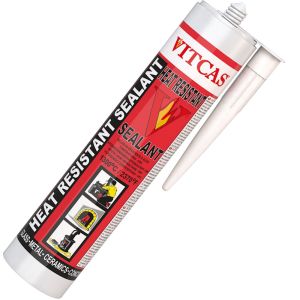 HRS - Heat Resistant Sealant 1300°CSpecial Price £9.59 £7.99 Regular Price £11.99 £9.99
VITCAS Heat Resistant Sealant is a high-performance, high-temperature caulking compound engineered for fixing, jointing and fire-sealing applications. Rated for continuous exposure up to 1300°C / 2370°F, it provides reliable bonding and airtight sealing on ceramics, metals, silica-based materials and glass in demanding high-heat environments.
Read more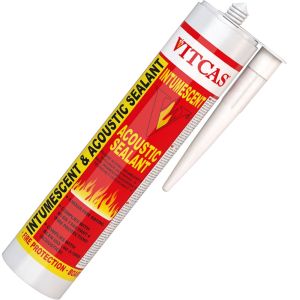 IS- Intumescent Acoustic Sealant - Fire Resistant MasticSpecial Price £2.39 £1.99 Regular Price £3.59 £2.99
VITCAS Intumescent Acoustic Sealant Mastic provides a 4-hour fire barrier by expanding when exposed to heat, offering enhanced protection in the event of a fire. Additionally, its excellent sound damping properties make it ideal for sealing gaps around door frames, window sills, and other areas requiring both fire resistance and acoustic insulation.
Read more Fire Retardant SiliconeSpecial Price £5.99 £4.99 Regular Price £11.99 £9.99
Vitcas Fire Rated Silicone Sealant is designed for fire protection purposes in the joints inside buildings. In the event of a fire, it will be able to maintain integrity and insulation value for 4 hours.
Read moreEnquire about this product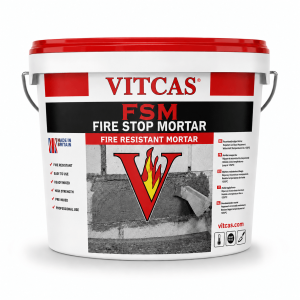 FSM - Fire Stop MortarSpecial Price £59.99 £49.99 Regular Price £71.99 £59.99
VITCAS FSM Fire Stop Mortar is a specialist fire stop sealing mortar designed for creating rigid, durable seals around service penetrations in fire-resisting walls and floors. Suitable for passive fire protection applications, it is used around compatible cables, cable trays, conduits and non-combustible pipework to help reinstate fire compartmentation where building services pass through fire-rated constructions. The mortar forms a strong, stable seal and is intended for professional fire stopping installations carried out in accordance with the relevant tested system specification.
Read moreEnquire about this product
Protecting the Openings That Building Services Leave Behind
Electrical, plumbing and mechanical services connect a building, but their routes can interrupt fire-resisting walls and floors. Firestopping addresses the gaps left around these services, helping maintain compartmentation where the construction has been penetrated.
The right solution depends on the opening. A construction joint may need a flexible seal, while a service penetration may require a rigid mortar system or a specified fire batt arrangement. Selecting the appropriate materials from the outset helps installers plan the work and avoid unsuitable substitutions.
Find the Right Material for the Job
Intumescent Acoustic Sealant: Fire and Acoustic Sealing
Where a compatible gap or joint requires both fire resistance and sound damping, VITCAS Intumescent Acoustic Sealant brings these functions together. Its intumescent action responds to heat, while its acoustic properties help reduce sound transmission through the sealed gap.
Use the documented installation detail to establish suitable substrates, joint dimensions and backing materials.
Fire Retardant Silicone: Flexible Joint Sealing
Some building joints need a seal that accommodates movement. VITCAS Fire Retardant Silicone provides a flexible sealing option for compatible joints covered by its technical documentation. Match the product’s movement capability and fire performance to the proposed joint design.
Fire Stop Mortar: Solid Seals Around Services
VITCAS Fire Stop Mortar forms rigid, durable seals around compatible service penetrations in fire-resisting walls and floors. It is an option for documented arrangements involving cables, cable trays, conduits and non-combustible pipework where a solid seal is required.
The installation specification determines the opening size, mortar depth, service spacing and any necessary support or reinforcement.
Ablative Coating: A Role in Fire Protection Systems
Ablative coatings contribute to the protective barrier in specified fire batt and penetration-sealing systems. Depending on the tested arrangement, their role may include coating designated surfaces or restoring damaged areas of an existing coating.
For VITCAS Ablative Coating, use the product documentation to confirm the intended application, compatible materials and required coating thickness. This ensures the coating is selected as part of the appropriate system.
Firestopping for New Installations and Refurbishment
Firestopping should be considered whenever work creates or changes an opening through a fire-resisting construction. Typical situations include:
- Installing cables and cable trays through compartment walls or floors.
- Routing compatible pipes and conduits between building compartments.
- Sealing specified joints between construction elements.
- Refurbishing areas where service layouts have changed.
- Repairing existing seals using materials and methods covered by the original system or an appropriate replacement specification.
Choose by Application and Tested Performance
A firestopping product performs as part of a complete installation. Before ordering, identify the wall or floor construction, services passing through it, opening dimensions and required fire resistance. Then select a documented system that covers those conditions.
For moving joints, check movement capability. For acoustic requirements, check the relevant acoustic performance. For combustible pipes, establish whether a tested closure device or another specifically assessed solution is required.
Heat resistance and fire resistance describe different properties. A sealant’s maximum service temperature does not, by itself, establish a fire-resistance rating for a joint or service penetration.
Frequently Asked Questions
What is firestopping?
Firestopping seals joints and openings in fire-resisting construction to help maintain compartmentation. It addresses vulnerable points where gaps or building services could otherwise allow fire and smoke to pass.
What is a penetration seal?
A penetration seal is the complete sealing arrangement around services passing through a fire-resisting wall or floor. It includes the sealing materials and their relationship to the services and surrounding construction.
How do I choose between sealant and fire stop mortar?
Start with the tested detail for your installation. Sealants may suit specified gaps and joints, including applications requiring flexibility. Fire stop mortar creates a rigid seal around compatible service arrangements. Opening size, movement and construction determine which option is appropriate.
What is ablative coating used for in firestopping?
Ablative coating is used in certain fire protection systems to contribute to the protective barrier. Permitted uses, including coating or repair work, depend on the individual product and the supporting system documentation.
Can an existing firestop be altered when new cables are installed?
Only where the revised arrangement remains covered by an appropriate system specification. Additional services can change spacing, opening capacity and sealing requirements, so the installation should be reassessed before alteration.