
Needled Felt Mats
Needled Felt Mats for Thermal, Acoustic and Flue Insulation
VITCAS needled felt mats provide flexible E-glass fibre insulation for domestic, automotive and industrial heat-management applications. The range includes 10 mm Glass Needled Felt, rated to 550°C continuously and 600°C for short periods, together with 12 mm Aluminium Coated Flue Wrap. In the flue wrap, the glass fibre layer is rated up to 550°C, while the aluminium foil facing is limited to 300°C. Applications include compatible chimney liners, exhaust components, pipes, valves, machinery and ductwork. Select the material by continuous and peak temperature, thickness, facing orientation, available space, required thermal performance and installation conditions.
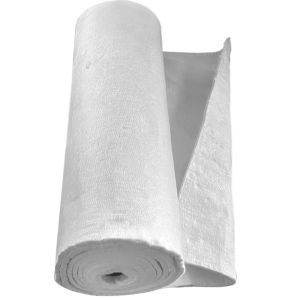 Glass Needled Felt Insulation - Fiberglass Mat -per MetreSpecial Price £14.40 £12.00 Regular Price £24.00 £20.00
Glass Fibre Needled Felt is a flexible insulation blanket, resistant to 600°C (1110°F) for short-term and 550°C (1020°F) for continuous working temperatures. Fibreglass mat is lightweight, easy to handle, and ideal for industrial applications. Non-toxic, ensuring safe use by workers and around chemicals.
Read more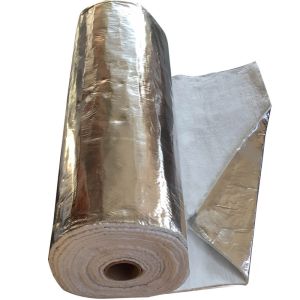 Aluminium Coated Insulation - Flue Wrap 12mm x 1m -per MetreSpecial Price £24.00 £20.00 Regular Price £30.00 £25.00
Flue Chimney Wrap Insulation Blanket suitable for insulating flues and flue liners inside the chimney. Aluminium Coated Glass Fibre Insulating Mat will reduce risk of condensation, tar formation, as well as chimney fires and hence elongate the life of your flue liner and maximise its performance.
Read more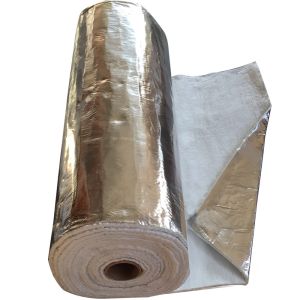 Aluminium Coated Insulation - Flue Wrap 12mm x 1mSpecial Price £166.80 £139.00 Regular Price £300.00 £250.00
Vitcas Aluminium Coated Insulation Flue Wrap provides high-performance thermal insulation for flues and liners in stove chimneys, enhancing efficiency and safety by minimising heat loss, condensation, and the risk of chimney fires.
Read more
Types of Needled Felt Insulation
Needled felt is a soft, flexible insulation material formed from mechanically interlocked fibres. Unlike rigid boards, it can conform to curved, irregular and confined surfaces. The products in this category use E-glass fibre, but they differ in thickness, surface finish, temperature limits and intended application.
Glass Fibre Needled Felt
VITCAS Glass Needled Felt is a lightweight E-glass fibre mat measuring 10 mm thick and 1000 mm wide. It is supplied by the metre, with 10 metres forming a complete roll. The felt is rated for continuous service temperatures up to 550°C and short-term exposure up to 600°C.
Its flexible construction makes it suitable for wrapping or fitting around pipes, valves, suitable exhaust components and irregular equipment profiles. The fibrous structure can also contribute to acoustic damping, although no specific sound-reduction value should be assumed without system testing.
Aluminium Coated Flue Wrap
VITCAS Aluminium Coated Flue Wrap combines a 12 mm glass fibre insulation mat with aluminium foil on one side. It is 1000 mm wide and is available either by the metre or as a complete 10 m roll. The two listings represent the same insulation technology in different purchasing formats.
The glass fibre layer is rated up to 550°C, while the aluminium foil facing is limited to 300°C. Where temperatures may exceed 300°C, the foil side must face away from the heat source. Product selection and installation must therefore account for the temperature reached by each layer rather than applying the glass fibre rating to the complete exposed surface.
The foil facing helps control fibre fraying and provides a reflective outer surface. When joints are correctly sealed, it can also contribute to vapour control. These properties depend on correct orientation, overlap and joint treatment.
Needled Felt and Flue Wrap Selection Guide
| Product | Construction | Dimensions | Temperature limits | Typical duties |
|---|---|---|---|---|
| Glass Needled Felt Insulation | Unfaced E-glass needled felt | 10 mm thick × 1000 mm wide; supplied by the metre | 550°C continuous; 600°C short-term | Pipes, valves, suitable exhaust components, silencers, machinery and combined thermal-acoustic insulation |
| Aluminium Coated Flue Wrap | Glass fibre mat with single-sided aluminium foil | 12 mm thick × 1000 mm wide × 10 m long | Glass fibre up to 550°C; aluminium foil up to 300°C | Complete chimney-liner installations and larger insulation projects |
Temperature resistance alone does not determine the insulation thickness, external surface temperature or suitability for direct contact with a particular component. Use the relevant technical data and, where necessary, a thermal calculation for the complete assembly.
Industries and Applications
Needled glass fibre felt supports thermal insulation and acoustic damping across domestic, commercial and industrial installations. Typical sectors and duties include:
- Stoves, fireplaces and chimney systems: insulation around compatible flues and flexible liners installed within suitable chimneys.
- Automotive and motorsport: insulation of suitable exhaust components, turbocharger areas, manifolds and vehicle body panels where temperatures remain within the product limits.
- Motorcycle engineering: thermal and acoustic insulation within suitable silencers, fairings and exhaust-adjacent assemblies.
- Industrial machinery: insulation of pipes, valves, equipment casings and heat-exposed machinery components.
- Boilers and power generation: secondary insulation around suitable ducts, pipework, valves and heat-exchange equipment.
- HVAC and process ducting: thermal insulation and condensation control around compatible warm-air ducts and process lines.
- Furnaces, ovens and kilns: external or backup insulation in zones where the verified material temperature remains within the product rating.
- Marine and shipbuilding: suitable machinery-space, exhaust-adjacent and pipework insulation, subject to required marine approvals.
- Rail and heavy transport: thermal and acoustic treatment around suitable engine, exhaust and equipment compartments.
- Manufacturing and process industries: insulation around dryers, ovens, presses, tanks, vessels and production equipment.
- Acoustic engineering: supplementary sound absorption within heat-exposed machinery enclosures and vehicle assemblies.
- Aerospace manufacturing: suitable insulation duties where the product specification, traceability and required approvals have been confirmed.
These examples describe possible sectors rather than universal product approvals. The installation must be verified for temperature, vibration, chemicals, airflow, moisture, mechanical containment and any regulatory or certification requirements.
How to Select the Correct Needled Felt
- Define the insulation duty: determine whether the material is required for heat retention, external heat shielding, condensation control, acoustic damping or a combination of functions.
- Confirm continuous and peak temperatures: use the continuous limit for normal operation and the short-term limit only for genuinely brief temperature excursions.
- Assess every material layer: for aluminium-faced wrap, consider the 550°C glass fibre limit and the separate 300°C foil limit.
- Calculate the required thickness: thermal performance depends on conductivity, thickness, compression, air movement, surface contact and operating temperature.
- Check the available space: ensure the specified thickness can be installed without excessive compression or interference with other components.
- Assess mechanical exposure: consider vibration, abrasion, high gas velocity and the need for an outer covering or mechanical retention.
- Review moisture and chemicals: confirm suitability for oils, fuels, cleaning agents, process chemicals, condensation and weather exposure.
- Consider acoustic requirements: felt can absorb sound, but any required noise-reduction value must be established for the complete tested assembly.
- Check flue-system compatibility: follow the appliance and liner manufacturer’s requirements, permitted clearances and applicable chimney regulations.
- Select the purchasing format: use the per-metre option for shorter installations or the 10 m roll for complete liners and larger projects.
Using Aluminium Coated Flue Wrap
Flue wrap is designed for installation around a suitable flue or flexible liner within a chimney. By reducing heat loss, it can help the flue remain warmer, which may support improved draught and reduce condensation and tar formation. It cannot correct an incorrectly sized, leaking, obstructed or poorly operated flue system.
Measure the flue circumference and required length before cutting. Wrap the insulation around the liner with the recommended 50.8 mm overlap and secure it with compatible aluminium foil tape. Avoid gaps, loose sections and excessive compression.
The aluminium face should normally form the external surface. Where the temperature exceeds 300°C, it must face away from the heat source because the foil has a lower temperature limit than the underlying glass fibre mat.
Maintain all clearances required by the appliance and flue-system manufacturers. The wrap must not be used to reduce clearances to combustible materials unless the complete arrangement is specifically designed and approved for that purpose.
Installation and Handling
Allow equipment to cool and isolate it before installing insulation. Measure accurately and cut the felt using sharp scissors or another suitable tool. Wear gloves, suitable protective clothing and respiratory protection where required by the current safety data sheet, as glass fibres and cutting dust may cause mechanical irritation.
Fit the insulation closely without leaving unnecessary gaps, but avoid excessive compression because reducing the installed thickness can reduce thermal performance. Use temperature-compatible tape, wire, mesh, bands or another approved retention method suited to the equipment and operating environment.
Protect the felt from sharp edges, excessive vibration and direct high-velocity gas flow unless an appropriate facing or containment system is provided. Inspect the insulation during planned maintenance and replace sections that are torn, compressed, contaminated, wet or no longer securely retained.
Important Performance Limitations
- Glass Needled Felt is rated to 550°C continuously and 600°C only for short-term exposure.
- The glass fibre in Aluminium Coated Flue Wrap is rated up to 550°C, but the aluminium foil facing is limited to 300°C.
- The 550°C glass fibre rating must not be presented as the direct-exposure limit of the aluminium surface.
- Needled felt is not automatically suitable for direct flame, molten metal, high-velocity combustion gases or direct contact with exhaust gases.
- The material does not constitute a certified firestop, fire-survival system or passive fire-protection barrier unless tested as part of a complete assembly.
- Thermal insulation does not guarantee that the external surface will be safe to touch.
- Acoustic damping depends on material thickness, density, containment and the complete installation; no fixed sound-reduction rating should be assumed.
- Glass fibre should not be described as universally resistant to all chemicals or corrosive atmospheres.
- Flue wrap may help reduce the conditions that contribute to condensation and tar formation, but it does not remove the need for correct combustion, chimney cleaning and inspection.
- The product is specified for indoor use; exposed outdoor suitability is not confirmed without additional weather protection and technical approval.
Frequently Asked Questions
What is glass fibre needled felt?
It is a flexible insulation mat manufactured from mechanically interlocked E-glass fibres. It can be cut and shaped around curved or irregular components where a rigid insulation board would be unsuitable.
What temperature can Glass Needled Felt withstand?
VITCAS Glass Needled Felt is rated for continuous service temperatures up to 550°C and short-term exposure up to 600°C. The short-term value should not be used as the normal operating limit.
What temperature can Aluminium Coated Flue Wrap withstand?
The glass fibre insulation layer is rated up to 550°C, while the aluminium foil facing is limited to 300°C. Where temperatures exceed 300°C, the foil must face away from the heat source.
What is the difference between Glass Needled Felt and Flue Wrap?
Glass Needled Felt is an unfaced 10 mm E-glass insulation mat. Flue Wrap is a 12 mm glass fibre mat with aluminium foil on one side, designed principally for wrapping suitable flues and chimney liners.
Which side of aluminium flue wrap faces the heat?
The glass fibre side provides the higher-temperature insulation, while the aluminium face should form the outer surface. At temperatures above 300°C, the foil must face away from the heat source.
Can Flue Wrap be used around a flexible chimney liner?
Yes, it is designed for insulating compatible flexible liners within suitable chimney systems. Confirm compatibility with the liner, appliance instructions, required clearances and applicable installation regulations.
Can Flue Wrap reduce condensation and tar formation?
By helping the flue retain heat, the wrap may reduce cooling that contributes to condensation and tar formation. Results also depend on fuel quality, combustion, flue sizing, draught, operating practice and regular chimney maintenance.
How much should the Flue Wrap overlap?
The product installation guidance recommends an overlap of approximately 50.8 mm. Secure the wrap using compatible aluminium foil tape and check that the completed insulation has no open gaps.
Can needled felt be cut to size?
Yes. It can be cut with sharp scissors or another suitable cutting tool. Measure before cutting, control loose fibres and use the personal protective equipment specified in the safety data sheet.
Can needled felt be used for automotive exhaust insulation?
It may be used for suitable turbocharger, manifold, silencer and exhaust-adjacent applications where continuous and peak material temperatures remain within the confirmed limits. Mechanical containment and protection from fluids must also be considered.
Does needled felt provide acoustic insulation?
Its fibrous structure can absorb sound and support acoustic damping. Actual noise reduction depends on the thickness, installation, covering materials and complete assembly.
Can the felt be installed outdoors?
The product data specifies indoor use. An exposed outdoor installation would require suitable protection against water, weather and mechanical damage, together with confirmation from the manufacturer.
Is needled felt fireproof?
It is heat-resistant insulation, but that does not automatically make it a certified fireproofing or passive fire-protection system. Any required fire classification must apply to the complete tested construction.
When should needled felt insulation be replaced?
Replace it when it becomes torn, excessively compressed, contaminated, wet, displaced or mechanically damaged. Aluminium-faced wrap should also be replaced if the foil is extensively split, detached or heat-damaged.