
Passive Fire Protection
Fire-Resistant Materials for Structural Protection, Firestopping & Containment
Vitcas supplies passive fire protection materials for protecting structures, joints, building elements and industrial equipment against the effects and spread of fire. The range includes cementitious fire protection coatings, intumescent and fire-rated sealants, non-combustible boards, high-temperature insulation, protective fabrics and specialist materials for demanding commercial and industrial applications.
Passive fire protection works without mechanical or manual activation. Depending on the product and system design, materials may be used to maintain structural protection, seal fire-sensitive joints and gaps, support compartmentation or protect equipment and services exposed to severe thermal conditions. Fire resistance, temperature resistance and non-combustibility are different properties, so the individual classification, tested performance and intended application of each product should always be checked.
 HRS - Heat Resistant Sealant 1300°CSpecial Price £9.59 £7.99 Regular Price £11.99 £9.99
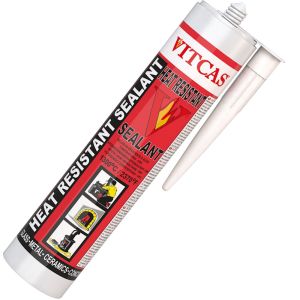
VITCAS Heat Resistant Sealant is a high-performance, high-temperature caulking compound engineered for fixing, jointing and fire-sealing applications. Rated for continuous exposure up to 1300°C / 2370°F, it provides reliable bonding and airtight sealing on ceramics, metals, silica-based materials and glass in demanding high-heat environments.
Read more HT - High Temperature FireboardSpecial Price £35.99 £29.99 Regular Price £47.99 £39.99
VITCAS High Temperature Plasterboard is a non-combustible fireproof board which does not contain any gypsum. Can be used with Vitcas Heat Resistant Plaster in areas where Vitcas Fireplace Render cannot be applied. Non-flammable rating A1 in accordance with EN 13501-1:2018. Fire and water-resistant, mould and mildew resistant.
Read more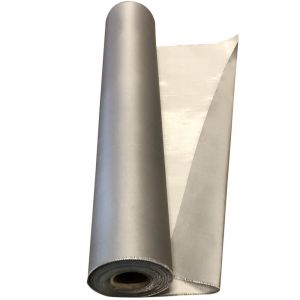 Polyurethane PU Coated Fiberglass ClothSpecial Price £8.40 £7.00 Regular Price £12.00 £10.00
Polyurethane (PU) Coated Glass Fibre Cloth is a halogen-free, gas-impermeable, Fire & Smoke fabric. It withstands short-term temperatures up to 600°C (1110°F) and offers high durability and thermal stability, making it ideal for applications requiring reliable heat and flame resistance.
Read more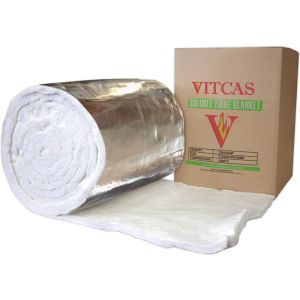 Bio Insulation Blanket with Aluminium Foil£94.80 £79.00 Regular Price £106.80 £89.00
Bio Insulation Blanket with Aluminium Foil is a high-performance thermal insulation solution resistant up to 1200°C (2190°F). Made from bio-soluble fibres, it offers excellent thermal resistance while being eco-friendly and safe. The aluminium foil layer boosts insulation by reflecting radiant heat, making it ideal for high-temperature applications and thermal processing equipment.
Read more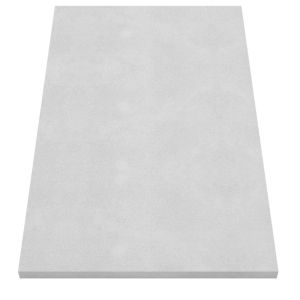 VITCAS Fireplace Construction BoardAs low as £29.99 £24.99 Regular Price £35.99 £29.99
VITCAS CS Fireplace Construction Board is an insulation board resistant to 1000°C / 1830°F. Perfect for use in fireplaces, tiled stoves and corner firesides. Suitable where there is no pre-existing chimney breast or in the centre of a wall or the corner of a room. Simpler and quicker to install than ever before!
Read more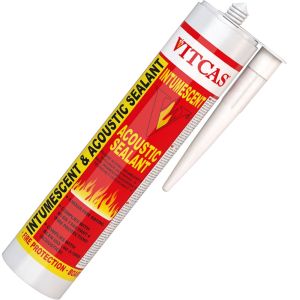 IS- Intumescent Acoustic Sealant - Fire Resistant MasticSpecial Price £2.39 £1.99 Regular Price £3.59 £2.99
VITCAS Intumescent Acoustic Sealant Mastic provides a 4-hour fire barrier by expanding when exposed to heat, offering enhanced protection in the event of a fire. Additionally, its excellent sound damping properties make it ideal for sealing gaps around door frames, window sills, and other areas requiring both fire resistance and acoustic insulation.
Read more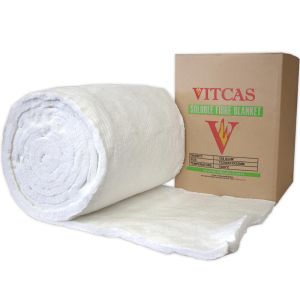 Bio-Soluble Insulation Blanket 1200°C - per Metre£14.39 £11.99 Regular Price £19.19 £15.99
VITCAS Bio soluble fibre insulation blanket is designed to withstand temperatures up to 1200°C (2192°F). This insulation blanket presents a very low health risk due to its low bio-persistence and is safe to handle, making it suitable for both industrial and environmental standards. The blanket is 25 mm thick, 610 mm wide, with a density of 128 kg/m³.
Read more Bio Soluble Insulation Fibre Blanket 1200°C£72.00 £60.00 Regular Price £118.80 £99.00
Vitcas Bio-soluble fibre insulation blanket offers exceptional thermal performance, withstanding temperatures up to 1200ºC (2192ºF). Its low bio-persistence and biodegradable fibres ensure safety and minimal environmental impact. With a density of 128 kg/m³, it provides reliable insulation for high-temperature applications..
Read more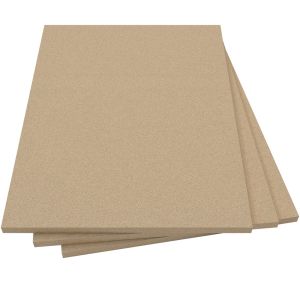 Vermiculite Fire Board Fire-proof InsulationAs low as £35.99 £29.99 Regular Price £71.98 £59.98
Vermiculite Fire Resistant Board – VITCAS Fireproof Insulation, refractory up to 1100ºC / 2010ºF, designed for use as a heat shield, register plate, or replacement for fire bricks in wood-burning and multi-fuel stoves. This versatile board provides excellent thermal insulation and fire resistance.
Read more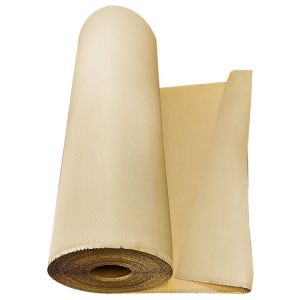 Silica Fibre Cloth 1000°CAs low as £17.99 £14.99 Regular Price £24.00 £20.00
Vitcas Silica Cloth is made from silica fibres with a satin weave and is resistant to temperatures up to 1000°C (1830°F). Its high-temperature resistance makes it ideal for firefighting gear such as fireproof garments and for the filtration of molten metals in extreme heat environments.
Read more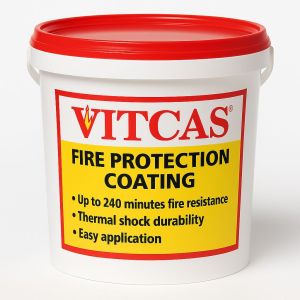 FPC - Fire Protection CoatingSpecial Price £59.99 £49.99 Regular Price £71.99 £59.99
Vitcas FPC is a dry-mix, trowel-applied fire protection coating made from non-combustible vermiculite and cement. Designed for passive fire protection of steel and concrete, it offers up to 240 minutes of resistance to hydrocarbon and cellulosic fires. The fireproof coating withstands thermal shock, impact, and water exposure. Easy to apply without specialised equipment, it delivers a durable, smooth finish and can be locally repaired when needed.
Read moreEnquire about this product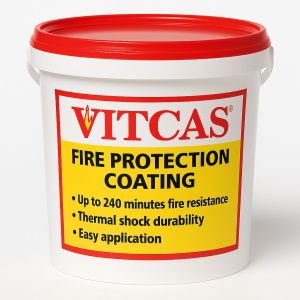 FPC-S - Fire Protection Cementitious Spray CoatingSpecial Price £59.99 £49.99 Regular Price £71.99 £59.99
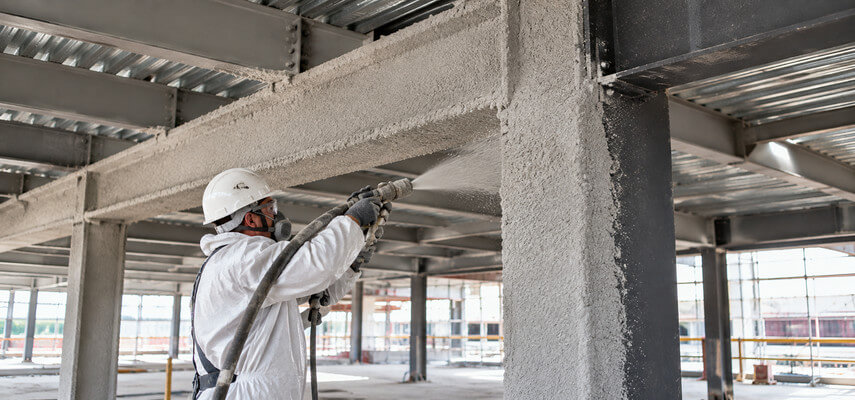
Vitcas FPC-S is a high-performance cementitious spray coating designed for passive fire protection of steel and concrete structures. It offers up to 240 minutes of fire resistance against hydrocarbon and cellulosic fires, while remaining durable under thermal shock, blast overpressure, and mechanical impact. Suitable for petrochemical plants, oil & gas facilities, storage tanks, pressure vessels, and load-bearing concrete, it provides long-lasting fire protection in both interior and exposed environments.
Read moreEnquire about this product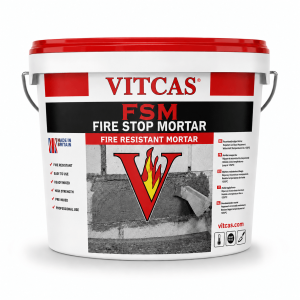 FSM - Fire Stop MortarSpecial Price £59.99 £49.99 Regular Price £71.99 £59.99
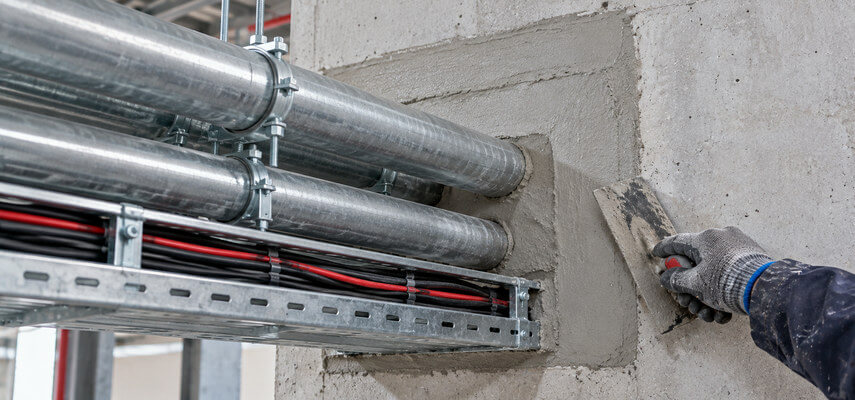
VITCAS FSM Fire Stop Mortar is a specialist fire stop sealing mortar designed for creating rigid, durable seals around service penetrations in fire-resisting walls and floors. Suitable for passive fire protection applications, it is used around compatible cables, cable trays, conduits and non-combustible pipework to help reinstate fire compartmentation where building services pass through fire-rated constructions. The mortar forms a strong, stable seal and is intended for professional fire stopping installations carried out in accordance with the relevant tested system specification.
Read moreEnquire about this product Fire Retardant SiliconeSpecial Price £5.99 £4.99 Regular Price £11.99 £9.99
Vitcas Fire Rated Silicone Sealant is designed for fire protection purposes in the joints inside buildings. In the event of a fire, it will be able to maintain integrity and insulation value for 4 hours.
Read moreEnquire about this product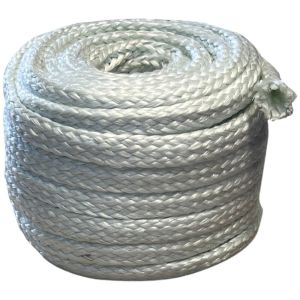 E-Glass Braided Sleeving – Cable & Hose ProtectionAs low as £1.80 £1.50 Regular Price £3.00 £2.50
Hose and Cable Fibreglass Braided Sleeving is made from durable fibreglass, designed to insulate and protect wires, cables, hoses, and pipes from extreme temperatures, aggressive fluids, and gases. Resistant to wear and corrosion, it ensures reliable and long-lasting performance in demanding industrial and commercial applications.
Read more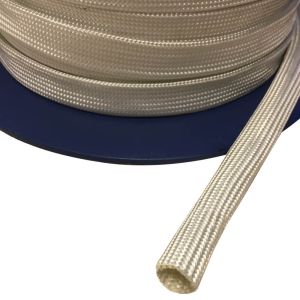 Fibreglass SleevingAs low as £1.80 £1.50 Regular Price £3.00 £2.50
VITCAS Fibreglass Sleeving protects vessels, pipes, and hoses from high temperatures and abrasion, with resistance up to 550°C (1022°F). It helps reduce heat loss, enhancing efficiency. Available in white, it's easy to cut and apply, making it ideal for both industrial and domestic use.
Read more Silicone Coated Glass Fibre ClothAs low as £14.40 £12.00 Regular Price £24.00 £20.00
Silicone Coating Glass Fibre Cloth is coated with silicone on both sides. This gives it high water repellence, abrasion and chemical resistance, which makes it suitable for applications in fire protection systems and insulation jackets. Resistant to high temperatures.
Read more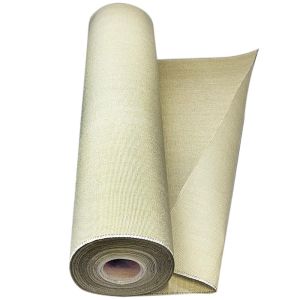 Vermiculite Coated Fiberglass Cloth 1000°CSpecial Price £24.00 £20.00 Regular Price £36.00 £30.00
Vermiculite Coated Fibreglass Cloth improves temperature resistance up to 1000°C (1830°F) by adding vermiculite to glass fibres. It is highly flame-resistant, making it ideal for use in furnace door curtains and other applications requiring direct flame protection.
Read more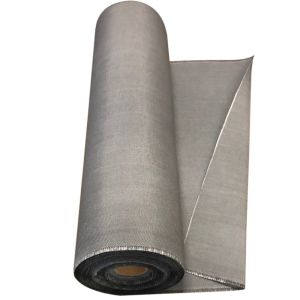 Calcium Silicate Coated Glass ClothSpecial Price £18.00 £15.00 Regular Price £24.00 £20.00
Vitcas Calcium Silicate Coated Glass Cloth is resistant to temperatures up to 750°C / 1382°F. It also offers resistance to abrasion, chemicals, oil spills, and is water repellent and weatherproof, making it ideal for applications like flexible expansion joints.
Read more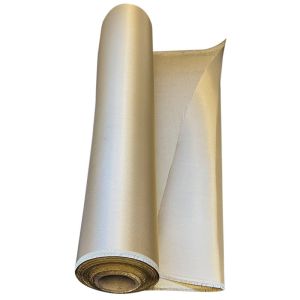 Vermiculite Coated Silica Fibre Cloth 1100°CSpecial Price £17.99 £14.99 Regular Price £30.00 £25.00
Vitcas Silica Fibre Cloth is manufactured from vermiculite-coated silica fibres with a satin weave. It is resistant to 1100°C (2010°F) for continuous use, making it ideal for firefighting equipment. It also excels in the filtration of molten metals and high-temperature dust and offers great abrasion resistance for demanding industrial applications.
Read more
Passive Fire Protection for Buildings, Structures & Industrial Installations
Passive fire protection is designed to limit the effects of fire through the materials and construction systems built into a structure. Unlike active systems such as alarms, sprinklers or extinguishing equipment, passive protection does not need to be triggered before it can perform its intended function.
Depending on the specified system, passive fire protection can help delay fire spread, protect structural elements, maintain compartmentation and reduce the exposure of critical equipment or services to fire and high temperatures.
The Vitcas range includes products for different fire-protection and thermal-protection functions. Cementitious coatings, intumescent sealants, fire-rated silicone, non-combustible boards, insulation blankets and protective textiles should not be treated as interchangeable. Each product should be selected according to its tested or stated performance and the particular element being protected.
Cementitious Fire Protection for Steel & Concrete
Cementitious fire protection coatings are used to protect structural elements by applying a protective layer over suitable substrates such as steel and concrete.
Vitcas FPC is a trowel-applied coating based on non-combustible vermiculite and cement. It is designed for passive fire protection of steel and concrete and provides up to 240 minutes of fire resistance against specified hydrocarbon and cellulosic fire exposure.
For applications where spray application is preferred, FPC-S Fire Protection Cementitious Spray Coating is designed for passive fire protection of steel and concrete structures. It is suitable for demanding applications including petrochemical facilities, oil and gas installations, storage tanks, pressure vessels and load-bearing concrete.
The required coating system, application thickness and fire-resistance period should always be determined from the relevant product specification and project requirements rather than assuming one fire-resistance period applies to every installation.
Intumescent Sealants for Firestopping Joints & Gaps
Intumescent sealants are designed to react when exposed to fire conditions. As the material expands, it helps maintain a fire-resistant barrier within suitable joints and gaps.
Vitcas Intumescent Acoustic Sealant is intended for fire-resistant sealing and also provides acoustic performance. The product is specified as providing a fire barrier for up to four hours in appropriate applications, including suitable gaps around door frames, window sills and other building joints.
Intumescent products should be used only within applications compatible with their tested or specified performance. Joint dimensions, substrates and system design can all influence firestopping performance.
Fire-Rated Silicone for Building Joints
Fire-rated silicone provides a flexible sealing option for suitable fire-protection joints within buildings. Vitcas Fire Rated Silicone is designed to maintain integrity and insulation performance for up to four hours under the conditions specified for the product.
Its function differs from both an intumescent mastic and a general high-temperature silicone. A fire-rated sealant is selected according to its performance within a fire-resisting construction, whereas a heat-resistant sealant may be selected primarily according to operating temperature.
Do not assume that a high-temperature silicone automatically provides a fire rating, or that a fire-rated silicone is intended for continuous furnace-temperature exposure.
Non-Combustible Fireboards & Construction Boards
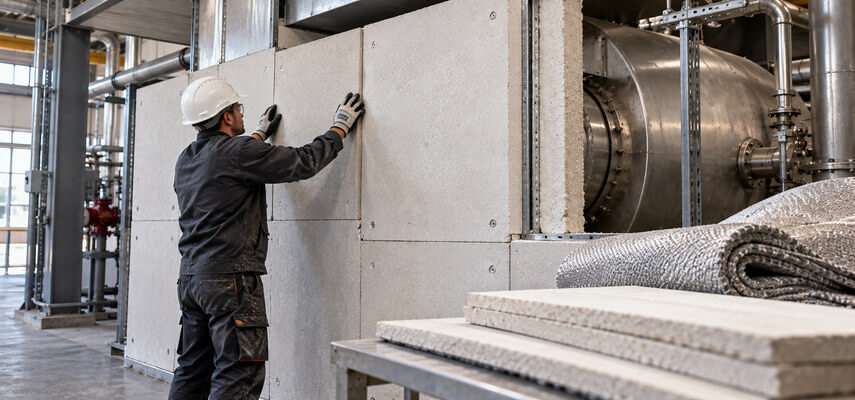
Fire-resistant and non-combustible boards can form part of protective construction systems, enclosures and heat-exposed assemblies.
Vitcas High Temperature Fireboard is a non-combustible, gypsum-free board classified A1 in accordance with EN 13501-1:2019. It is also resistant to heat and water and can be used with compatible Vitcas finishing products in suitable high-temperature constructions.
Other boards within the range, including Fireplace Construction Board and vermiculite board, provide insulation and high-temperature resistance for specified applications. Their individual function and classification should be checked before treating them as part of a required fire-resistance system.
High-Temperature Insulation Blankets
High-temperature insulation blankets are used where thermal insulation and protection from elevated temperatures are required. Vitcas bio-soluble fibre blankets are available for applications up to 1200°C, including versions with aluminium foil for additional radiant heat reflection.
These products can support thermal protection around equipment and high-temperature processes, but a high service-temperature rating should not automatically be interpreted as a tested fire-resistance classification. Where a project requires a specified passive fire-protection period, use materials and systems whose relevant fire performance is documented for that application.
Fire & Heat-Resistant Fabrics
The range also includes glass fibre, silica fibre and coated high-temperature fabrics for thermal protection, curtains, insulation jackets, flexible joints and specialist industrial applications.
Available materials include polyurethane-coated glass fibre cloth, silicone-coated glass fibre cloth, vermiculite-coated fibreglass and silica fabrics. Depending on the individual product, these materials provide combinations of heat resistance, flame resistance, abrasion resistance, chemical resistance or weather protection.
For example, vermiculite-coated fibreglass cloth is suitable for demanding applications such as furnace door curtains where direct flame protection is required, while other coated fabrics are used for flexible expansion joints, insulation jackets or industrial thermal barriers.
Protective Sleeving for Cables, Hoses & Services
Fibreglass protective sleeving provides thermal and mechanical protection for cables, hoses, pipes and similar services in demanding environments.
Depending on the product, sleeving can help protect services from elevated temperatures, abrasion, aggressive fluids or other operating conditions. This can be particularly relevant in industrial plants and equipment where electrical, mechanical and process services pass through heat-exposed areas.
Protective sleeving should not automatically be described as a firestop or fire-rated penetration system unless that performance is specifically supported by the product data.
High-Temperature Sealants in Passive Fire Protection
Some high-temperature sealing compounds can support fire and thermal protection applications where their specified properties and substrates are appropriate.
Vitcas HRS Heat Resistant Sealant is rated for continuous exposure up to 1300°C and is designed for fixing, jointing and fire-sealing compatible ceramics, metals, silica-based materials and glass.
However, high-temperature resistance and a tested fire-resistance rating are not the same property. Where a building joint, penetration or compartment line requires a defined period of fire resistance, use a product and system specifically specified for that fire-protection requirement.
Passive Fire Protection in Industrial & Commercial Applications
Depending on the selected product and fire-protection design, Vitcas materials can support applications including:
- structural steel fire protection;
- concrete fire protection;
- petrochemical and oil and gas installations;
- storage tanks and pressure vessels;
- fire-resistant joints and gaps;
- fire barriers and partitions;
- equipment and pipe enclosures;
- HVAC ductwork and associated services;
- electrical and mechanical service areas;
- high-temperature insulation systems;
- industrial furnace and equipment curtains;
- thermal protection of cables, hoses and pipework.
The required product depends on what needs to be protected and the fire-performance objective. Structural steel protection, a flexible fire-rated joint, a thermal insulation layer and a furnace curtain represent very different applications even though each involves protection from fire or high temperatures.
Choosing Passive Fire Protection Materials
Passive fire protection products should be selected according to the required system performance rather than by temperature rating alone.
- Fire-protection objective – determine whether the requirement is structural protection, firestopping, compartmentation, thermal insulation, surface protection or protection of equipment and services.
- Required fire resistance – where a specific period of fire resistance is required, verify the documented performance of the individual product or complete system.
- Fire exposure – distinguish between the relevant fire scenarios, including cellulosic and hydrocarbon fire exposure where applicable.
- Substrate – confirm compatibility with steel, concrete, masonry, board, metal, glass, insulation or other materials involved.
- Application method – establish whether the system requires trowel application, spray application, sealing, board installation, wrapping or another method.
- Joint movement – determine whether a fire-protection joint requires flexibility or whether a rigid material is appropriate.
- Environmental exposure – consider moisture, weathering, chemicals, abrasion, impact and other service conditions where supported by the product specification.
- Installation requirements – follow the specified preparation, thickness, curing and finishing requirements for the selected material.
A product capable of withstanding a very high operating temperature is not automatically suitable for a fire-rated building system. Similarly, a material classified as non-combustible does not automatically provide a specific period of fire resistance. Use the individual product documentation to match the required fire-protection function.
Passive vs Active Fire Protection
Passive fire protection is built into the structure or installation and does not require activation to perform its protective function. Examples include structural fireproofing coatings, fire-resistant construction systems and firestopping materials.
Active fire protection uses systems that detect, alert, control or suppress a fire, such as fire alarms, sprinkler systems and extinguishing equipment.
These approaches perform complementary roles within an overall fire-safety strategy. Passive systems help contain fire and protect structures, while active systems provide detection and suppression. The design and specification of either system should follow the requirements applicable to the building, plant or installation.
Frequently Asked Questions
What is passive fire protection?
Passive fire protection consists of materials and construction systems that are built into a structure to help resist, contain or limit the effects of fire without requiring mechanical or manual activation. Examples include structural fire protection coatings, fire-resistant barriers, firestopping sealants and other specified protective systems.
What is the difference between passive and active fire protection?
Passive fire protection works through the materials and construction of the building or installation and does not need to activate. Active fire protection includes equipment such as alarms, sprinklers and extinguishing systems that detect, warn about or suppress a fire. Effective fire-safety strategies can incorporate both passive and active measures.
What materials are used for passive fire protection?
Passive fire protection can include cementitious fireproofing coatings, intumescent sealants, fire-rated joint sealants, non-combustible boards and other materials forming part of specified fire-resistant constructions. The correct material depends on whether the requirement is structural protection, compartmentation, firestopping, insulation or another fire-protection function.
How is structural steel protected from fire?
Structural steel can be protected using a specified fire-protection system that reduces the rate at which the steel is heated during a fire. Vitcas FPC and FPC-S are cementitious coatings designed for passive fire protection of steel and concrete, with specified performance of up to 240 minutes against relevant hydrocarbon and cellulosic fire exposure.
What is the difference between FPC and FPC-S?
Both products are cementitious passive fire-protection coatings for steel and concrete, but their application methods differ. FPC is designed for trowel application, while FPC-S is formulated for spray application. FPC-S is particularly relevant to larger industrial installations including petrochemical plants, oil and gas facilities, storage tanks and pressure vessels.
What is an intumescent fire sealant?
An intumescent sealant expands when exposed to fire conditions, helping to maintain a protective barrier within a suitable joint or gap. Vitcas Intumescent Acoustic Sealant combines this fire-protection function with acoustic sealing. Its suitability depends on the joint, substrates and specified fire-resistance requirements of the installation.
What is the difference between a fire-rated sealant and a high-temperature sealant?
A fire-rated sealant is specified according to its performance as part of a fire-resistant joint or construction. A high-temperature sealant is primarily designed to tolerate elevated operating temperatures. Some products may have properties relevant to both applications, but high temperature resistance should not be treated as proof of a particular fire rating.
Does non-combustible mean fire resistant?
Not necessarily. Non-combustibility describes how a material reacts to fire, while fire resistance concerns the ability of a building element or system to maintain specified performance for a period during fire exposure. A non-combustible board therefore should not automatically be assumed to provide a particular number of minutes of fire resistance unless that performance is supported by appropriate documentation.
Is A1 the same as a fire-resistance rating?
No. An A1 classification under EN 13501-1 relates to reaction to fire and indicates non-combustibility under that classification system. It does not by itself specify a fire-resistance period such as 60, 120 or 240 minutes. Vitcas High Temperature Fireboard is classified A1, but any required system fire resistance should be verified separately.
Can high-temperature insulation blankets be used for passive fire protection?
High-temperature insulation blankets can provide valuable thermal protection in industrial and high-heat installations, but their temperature resistance should not automatically be interpreted as a tested passive fire-resistance period. Where a project requires a specified fire barrier or fire-resistance rating, confirm that the complete system has the necessary documented performance.
Can passive fire protection be used in petrochemical and oil and gas facilities?
Yes. Passive fire protection is particularly important in industrial environments where structural elements and critical equipment may be exposed to severe fire conditions. Vitcas FPC-S is intended for applications including petrochemical plants, oil and gas facilities, storage tanks and pressure vessels and is specified for both hydrocarbon and cellulosic fire exposure.
What should I check before choosing a passive fire protection product?
Start with the required fire-protection function and documented performance. Check the substrate, required fire-resistance period, type of fire exposure, installation method and environmental conditions. Where the project depends on a regulatory fire rating, use the appropriate technical data and system specification rather than selecting a product solely by maximum temperature resistance.