
Electrical Insulation Tapes
High-Temperature Electrical Insulation Tapes
VITCAS electrical insulation tapes provide flexible glass-fibre textile solutions for selected high-temperature electrical and thermal-insulation duties. Typical applications include heating wires, electrical components, low-voltage machinery and maintenance work where conventional tape materials may not tolerate the required operating temperature.
The range includes E-glass insulation tape rated for continuous service up to 550°C, together with additional electro tapes available in 25 mm and 50 mm widths for compatible electrical and thermal-insulation applications.
Select the tape according to operating temperature, width, thickness and installation geometry. For electrical applications, select the tape according to its temperature capability together with the required dielectric performance, working voltage and insulation-system design.
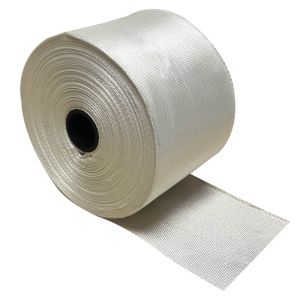 Electrical E Glass Insulation Tape - RollSpecial Price £9.00 £7.50 Regular Price £18.00 £15.00
Electrical Insulation Fiberglass Tape resists temperatures to 550oC, offers fire protection on power cables, has high tensile strength and chemical resistance, and acts as both an electric and thermal insulator. Hence it is used in low voltage machines and electrical equipment.
Read more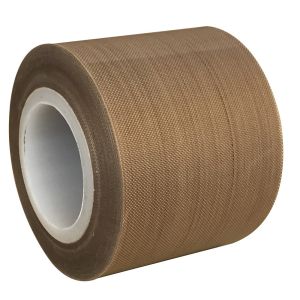 Brown Electro Tape 50 mm£19.20 £16.00 Regular Price £30.00 £25.00
Vitcas Brown Electro Tape is available in a 50mm width and is ideal for use in high-temperature environments. It provides both thermal and electrical insulation for heating wires, ensuring reliable performance in demanding conditions. Perfect for insulating wires in applications exposed to heat.
Read more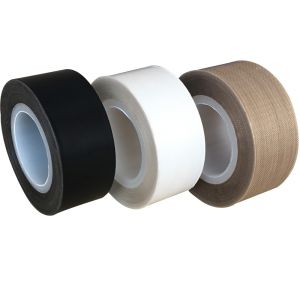 Electro Tape 25mm£12.00 £10.00 Regular Price £24.00 £20.00
Vitcas Electro Tape- 0.18mm thick in white, black or brown. Available widths- 25mm. The electro tape is primarily used for sealing on the ends of temperature resistant ropes. The tape also provides good electrical and thermal insulation to heating wires in hot environments.
Read more
Electrical Insulation Tapes for High-Temperature Applications
VITCAS electrical insulation tapes provide flexible glass-fibre textile solutions for selected electrical and thermal-insulation duties in high-temperature equipment. The products differ in width, thickness, construction and published temperature capability, so they should be selected according to both the thermal exposure and the electrical requirements of the complete system.
Key Characteristics of Electrical Insulation Tapes
- High-temperature capability: selected E-glass insulation tape is rated for continuous service up to 550°C.
- Electrical and thermal insulation: the tapes are intended for compatible heating-wire, electrical-component and low-voltage equipment applications where flexible textile insulation is required.
- Flexible glass-fibre construction: woven tape can wrap around compatible wires, components and narrow equipment sections more readily than rigid insulation materials.
- Mechanical strength: selected E-glass grades provide useful tensile strength for wrapping, securing and insulating duties.
- Process compatibility: selected E-glass products provide resistance to a range of chemical agents, but suitability should still be assessed against the actual medium, concentration and operating temperature.
- Multiple tape formats: electro tapes are available in different widths, including 25 mm and 50 mm, for different installation geometries and insulation duties.
Electrical E-Glass Insulation Tape
VITCAS Electrical E-Glass Insulation Tape is a woven glass-fibre tape intended for high-temperature electrical and thermal-insulation applications. It has a published continuous working temperature of up to 550°C and is suitable for compatible heating wires, electrical components and low-voltage machinery.
The glass-fibre construction provides flexibility together with useful tensile strength, allowing the tape to be wrapped around suitable components where both heat resistance and textile insulation are required.
25 mm & 50 mm Electro Tapes
VITCAS electro tapes are also available in 25 mm and 50 mm widths for compatible thermal and electrical-insulation duties. Width should be selected according to the component geometry, required coverage, number of wrapping layers and the design of the complete insulation system.
Selected electro tape can also be used for securing and finishing the ends of heat-resistant rope and other compatible textile products where a flat woven tape provides a practical termination.
Applications of Electrical Insulation Tape
- Heating Wires: provides a flexible insulating layer around compatible heating-wire arrangements where the tape temperature capability and electrical requirements suit the design.
- Electrical Components: suitable for selected components exposed to elevated temperatures where woven glass-fibre insulation is appropriate.
- Low-Voltage Machinery: E-glass insulation tape can be used in compatible low-voltage equipment where thermal resistance and flexible electrical insulation are required.
- High-Temperature Heating Equipment: suitable for selected heaters, ovens and other electrical thermal equipment where the tape remains within its specified operating conditions.
- Industrial Electrical Equipment: can be used for compatible insulation, wrapping and maintenance duties around electrical systems exposed to elevated temperatures.
- Marine & Offshore Equipment: suitable for selected high-temperature electrical-insulation duties around wiring and electrical components in machinery spaces, subject to the required dielectric performance, working voltage, moisture, salt, oil and vibration exposure, together with any applicable marine approval.
- Rope-End Finishing: selected electro tape can be used to secure and finish the ends of compatible temperature-resistant ropes and textile seals.
Temperature Capability vs Electrical Performance
A high service-temperature rating does not by itself define the electrical performance of an insulation tape. Temperature resistance, dielectric strength, working voltage, tape thickness, number of layers, creepage, clearance and the design of the complete insulation system are separate specification variables.
For electrical applications, select the tape according to its temperature capability together with the required dielectric performance, working voltage and insulation-system design.
Selecting the Correct Electrical Insulation Tape
When choosing a tape, consider:
- continuous operating temperature at the tape location;
- required width and thickness;
- component diameter and installation geometry;
- required number of wrapping layers;
- mechanical tension and movement;
- chemical, moisture or process exposure;
- required dielectric performance and working voltage;
- the design requirements of the complete electrical insulation system.
The tape should be treated as one component within the overall electrical and thermal insulation design rather than selected from temperature capability alone.
Frequently Asked Questions
Can ordinary high-temperature glass fibre tape be used for electrical insulation?
Not every heat-resistant glass fibre tape is specified for electrical insulation. For electrical applications, use a tape with documented suitability for the required dielectric performance, working voltage and insulation-system design, rather than selecting a textile solely from its temperature rating.
Does using more layers increase the electrical insulation performance?
The number of wrapping layers affects the overall insulation build, but electrical performance should be determined from the specified tape properties and the design of the complete insulation system. Additional layers should not be used as a substitute for verified dielectric and voltage requirements.
Does tape width affect its electrical rating?
Tape width primarily affects coverage, overlap and installation geometry. A wider tape does not automatically provide a higher electrical rating. Electrical suitability depends on the tape construction, thickness and documented dielectric properties of the insulation system.
Can the same electro tape be used for electrical insulation and rope-end finishing?
Selected VITCAS electro tape can perform both functions where appropriate. It may be used for compatible electrical and thermal-insulation duties and also for securing or finishing the ends of heat-resistant ropes and textile seals.
How does component shape affect electrical insulation tape selection?
Narrow wires, small components and complex geometries may favour a narrower tape for controlled wrapping, while broader components may benefit from wider coverage. Tape width, overlap and the number of layers should be selected to produce the required insulation arrangement around the component.
Can glass fibre electrical tape be used where chemicals or oils are present?
Selected E-glass tapes provide resistance to a range of chemical agents, but compatibility depends on the specific chemical, concentration, temperature and exposure conditions. Chemical resistance should therefore be considered separately from the tape's thermal and electrical properties.
Is high-temperature electrical tape a complete insulation system by itself?
Electrical insulation tape should be treated as one component within the overall insulation design. Working voltage, dielectric performance, tape thickness, number of layers, creepage, clearance, surrounding materials and operating temperature all contribute to the performance of the finished system.
What matters most when electrical tape is exposed to heat and movement?
Where components experience both elevated temperature and mechanical movement, selection should consider the tape's temperature capability, tensile strength, wrapping geometry and mechanical loading together with the required electrical performance.