
Glass Fibre Insulation
Glass Fibre Insulation for Flues, Pipes & High-Temperature Equipment
VITCAS glass fibre insulation products provide flexible thermal protection for flues, pipework, machinery, exhaust systems and other moderate high-temperature applications. Manufactured from heat-resistant E-glass fibres, these materials combine low thermal conductivity with flexibility, low weight and ease of installation around curved or irregular surfaces.
Glass Needled Felt is a flexible thermal and acoustic insulation mat with a continuous working temperature of up to 550°C and short-term resistance up to 600°C. It is suitable for insulating pipes, valves, manifolds, silencers, machinery and compatible automotive or exhaust components where a conformable insulation layer is required.
Aluminium-Coated Flue Chimney Wrap combines glass fibre insulation with a reflective aluminium facing for compatible chimney and flue applications. The glass fibre layer is rated up to 550°C, while the aluminium facing has a lower temperature capability and provides an additional reflective and vapour-resistant surface. Select the insulation according to the actual surface temperature, required thickness, installation geometry and exposure conditions.
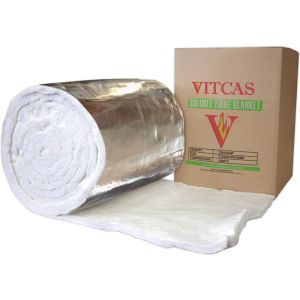 Bio Insulation Blanket with Aluminium Foil£94.80 £79.00 Regular Price £106.80 £89.00
Bio Insulation Blanket with Aluminium Foil is a high-performance thermal insulation solution resistant up to 1200°C (2190°F). Made from bio-soluble fibres, it offers excellent thermal resistance while being eco-friendly and safe. The aluminium foil layer boosts insulation by reflecting radiant heat, making it ideal for high-temperature applications and thermal processing equipment.
Read more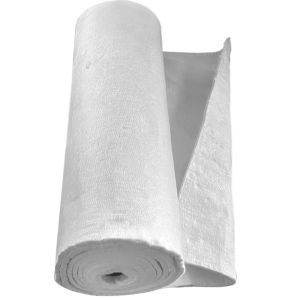 Glass Needled Felt Insulation - Fiberglass Mat -per MetreSpecial Price £14.40 £12.00 Regular Price £24.00 £20.00
Glass Fibre Needled Felt is a flexible insulation blanket, resistant to 600°C (1110°F) for short-term and 550°C (1020°F) for continuous working temperatures. Fibreglass mat is lightweight, easy to handle, and ideal for industrial applications. Non-toxic, ensuring safe use by workers and around chemicals.
Read more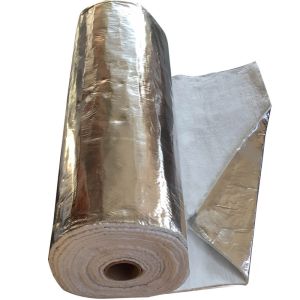 Aluminium Coated Insulation - Flue Wrap 12mm x 1m -per MetreSpecial Price £24.00 £20.00 Regular Price £30.00 £25.00
Flue Chimney Wrap Insulation Blanket suitable for insulating flues and flue liners inside the chimney. Aluminium Coated Glass Fibre Insulating Mat will reduce risk of condensation, tar formation, as well as chimney fires and hence elongate the life of your flue liner and maximise its performance.
Read more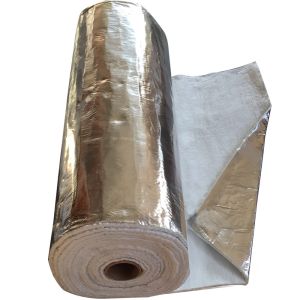 Aluminium Coated Insulation - Flue Wrap 12mm x 1mSpecial Price £166.80 £139.00 Regular Price £300.00 £250.00
Vitcas Aluminium Coated Insulation Flue Wrap provides high-performance thermal insulation for flues and liners in stove chimneys, enhancing efficiency and safety by minimising heat loss, condensation, and the risk of chimney fires.
Read more
Glass Fibre Insulation for Thermal & Acoustic Protection
VITCAS glass fibre insulation provides flexible, lightweight thermal protection for pipework, machinery, exhaust components, ducting and chimney or flue systems. Unlike rigid insulation boards, glass fibre mats can conform to curved and irregular surfaces, making them particularly useful where insulation must wrap around equipment or fit within confined spaces.
The principal glass fibre solutions in this category perform different functions. Glass Needled Felt is a flexible E-glass mat for thermal and acoustic insulation, while Aluminium-Coated Flue Wrap combines glass fibre insulation with a reflective aluminium facing for compatible chimney and flue applications.
| Product | Construction | Temperature capability | Typical applications |
|---|---|---|---|
| Glass Needled Felt Insulation | Flexible E-glass needled mat, 10 mm thick and 1000 mm wide | 550°C continuous; 600°C short-term | Pipes, valves, manifolds, silencers, machinery, automotive components and acoustic insulation |
| Aluminium-Coated Flue Wrap | 12 mm glass fibre mat with aluminium foil facing, 1000 mm wide | Glass fibre: 550°C continuous; aluminium facing: approximately 300°C | Compatible chimney flues, flexible liners, pipes, ducts and other suitable wrapped insulation applications |
Glass Needled Felt Insulation
VITCAS Glass Needled Felt is manufactured from E-glass fibres mechanically formed into a soft, flexible insulation mat. The material is lightweight and easy to cut, allowing it to follow pipework, valves, machinery and irregular equipment profiles more readily than rigid insulation products.
The felt has a continuous working temperature of up to 550°C and can tolerate short-term exposure up to 600°C. Its fibrous structure provides both thermal insulation and sound absorption, making it useful where heat control and acoustic damping are required in the same installation.
Thermal & Acoustic Insulation
Glass needled felt reduces heat transfer by trapping air within the fibrous structure. The same open fibre network can also absorb sound energy, which is why the material is used around machinery, silencers and vehicle components as well as conventional pipe insulation.
Typical applications include:
- pipes and valves: flexible insulation around hot process pipework, fittings and irregular components;
- manifolds and exhaust components: thermal insulation around compatible automotive and industrial systems;
- motorbike silencers and fairings: combined heat and acoustic control;
- industrial machinery: flexible thermal and noise-reduction layers within protected assemblies;
- ducting and process systems: insulation where the temperature remains within the confirmed material limits.
550°C Continuous vs 600°C Short-Term
The distinction between continuous and short-term temperature capability is important. 550°C is the stated continuous working limit, while 600°C applies only to temporary exposure.
A system expected to remain close to 600°C during normal operation should therefore not be designed on the basis of the short-term figure. The actual temperature at the insulation position, not merely the nominal equipment or exhaust temperature, should be used for selection.
Compression Affects Insulation Performance
Flexible fibre insulation should fit closely enough to avoid unnecessary gaps, but excessive compression can reduce the volume of trapped air within the mat and alter its thermal performance.
Where the felt is installed around pipes, machinery or within an enclosure, allow sufficient space for the intended insulation thickness and use a suitable facing, restraint or outer jacket where the application requires the material to remain securely positioned.
Chemical & Industrial Exposure
VITCAS describes the E-glass felt as non-toxic and corrosion resistant, making it suitable for a range of industrial insulation environments. However, this should not be interpreted as universal resistance to every process chemical.
Where the material may contact acids, alkalis, solvents, oils or other aggressive process substances, compatibility should be assessed against the actual chemical, concentration, temperature and duration of exposure.
Aluminium-Coated Flue Chimney Wrap
VITCAS Aluminium-Coated Flue Wrap combines a 12 mm glass fibre insulation layer with an aluminium foil facing. It is designed primarily for insulating compatible flues and chimney liners where retaining heat within the flue can help maintain more stable flue-gas temperatures.
Keeping the liner warmer reduces cooling of combustion products as they travel through the chimney. This can help reduce condensation and the conditions that contribute to tar formation while supporting more stable flue draught.
Glass Fibre and Aluminium Have Different Temperature Limits
The two layers of the product must not be assigned the same temperature rating:
- glass fibre insulation: suitable for continuous temperatures up to 550°C;
- aluminium foil facing: best suited to temperatures up to approximately 300°C.
Where the installation temperature can exceed 300°C, the glass fibre side should face towards the hotter surface and the aluminium facing away from the heat source. The foil functions primarily as a reflective and vapour-resistant facing rather than as the high-temperature insulation layer.
Why Insulating a Flue Can Reduce Condensation & Tar
Flue gases cool as they travel away from the appliance. If the liner loses heat too rapidly, water vapour and combustion products can condense on cooler internal surfaces, contributing to moisture and tar deposits.
Wrapping a suitable flue liner with glass fibre insulation reduces heat loss through the flue wall. Maintaining a warmer flue can therefore help:
- reduce condensation within compatible chimney systems;
- reduce conditions that encourage tar accumulation;
- support more stable flue draught;
- limit unnecessary heat loss from the liner;
- protect the liner from rapid external temperature changes.
Flue insulation does not correct poor combustion, wet fuel, an incorrectly sized chimney, an obstructed liner or inadequate appliance air supply. Persistent tar or condensation should be investigated as a system issue rather than treated solely by adding insulation.
Aluminium Facing & Vapour Resistance
The aluminium facing provides a reflective outer surface and acts as a vapour-resistant layer when the wrap is installed correctly. This helps protect the glass fibre from environmental moisture and provides a more durable external surface for suitable flue and pipe applications.
Joints and overlaps should be arranged so that the insulation remains continuous. Where foil tape or another accessory is used, its own temperature limit and adhesive capability must also suit its installed position; the temperature capability of the glass fibre does not automatically apply to tapes or adhesives.
Glass Needled Felt or Aluminium Flue Wrap?
| Requirement | Glass Needled Felt | Aluminium-Coated Flue Wrap |
|---|---|---|
| Flexible general thermal insulation | Excellent choice | Possible where the facing is useful |
| Acoustic insulation | Yes | Secondary rather than primary function |
| Pipe, valve or machinery insulation | Well suited | Suitable for selected wrapped applications |
| Chimney or flue liner insulation | Possible only within an appropriate protected system | Purpose-oriented solution |
| Reflective outer surface | No | Yes |
| Vapour-resistant facing | No | Yes, aluminium foil |
| Continuous glass-fibre temperature | 550°C | 550°C |
| Short-term glass-fibre temperature | 600°C | Use the specific flue-wrap product limits |
Glass Fibre Insulation vs Higher-Temperature Fibre Materials
Glass fibre is well suited to many moderate high-temperature insulation applications, but its temperature capability is lower than that of specialist bio-soluble or ceramic fibre products.
Where insulation must operate significantly above the continuous 550°C limit of E-glass, a higher-temperature fibre should be considered. VITCAS also supplies Bio-Soluble Fibre Blanket with Aluminium Foil for suitable applications up to 1200°C, as well as specialist ceramic fibre insulation for still different thermal duties.
The higher temperature rating of another fibre does not automatically make it the better choice. Material form, flexibility, density, thermal conductivity, facing requirements and the operating environment should all be considered.
Installation & Handling
Glass fibre insulation is flexible and relatively easy to cut, but accurate fitting remains important. Measure the component before cutting and minimise open gaps that could create direct heat-transfer paths.
- Use suitable gloves and protective clothing during handling and cutting.
- Provide ventilation and follow the product safety information where fibres or dust may be released.
- Avoid excessive compression unless the system has been designed for the reduced thickness.
- Keep insulation securely retained so that it cannot slump or move away from the surface being insulated.
- Protect unfaced glass fibre from moisture, mechanical damage and contamination where the installation requires it.
- Check the temperature rating of every facing, tape, adhesive or fixing separately from the underlying glass fibre.
Thermal Insulation Is Not the Same as Fire Resistance
Glass fibre is widely used because of its heat resistance and non-combustible mineral composition, but a high-temperature insulation material should not automatically be described as providing a specified fire-resistance period for a wall, ceiling, duct, penetration or other assembly.
Where a project requires a defined fire classification or passive fire-protection period, the complete construction must have appropriate documented performance for that application. Insulation temperature capability alone does not establish integrity, insulation time or system fire resistance.
Frequently Asked Questions
What temperature can VITCAS Glass Needled Felt withstand?
The E-glass needled felt is suitable for continuous use up to 550°C and short-term exposure up to 600°C.
What is Glass Needled Felt used for?
Typical applications include thermal and acoustic insulation around pipes, valves, manifolds, machinery, automotive components, motorbike silencers and other compatible equipment where a flexible insulation layer is required.
Does glass needled felt also reduce noise?
Yes. Its fibrous structure provides acoustic absorption as well as thermal insulation, making it useful around silencers, machinery and other installations where both heat and noise control are beneficial.
Can Glass Needled Felt be compressed tightly?
It can conform to irregular surfaces, but excessive compression can reduce its effective thickness and alter thermal performance. Install it so that the required insulation thickness is maintained wherever possible.
What is aluminium-coated flue wrap used for?
It is designed primarily to insulate compatible chimney flues and liners, helping reduce heat loss and maintain warmer flue-gas temperatures. This can help reduce condensation and conditions that contribute to tar accumulation.
What temperature can Aluminium-Coated Flue Wrap withstand?
The glass fibre insulation layer is rated for continuous temperatures up to 550°C. The aluminium facing has a lower limit and is best suited to temperatures up to approximately 300°C.
Which side of aluminium flue wrap should face the heat?
Where temperatures exceed approximately 300°C, position the glass fibre side towards the hotter surface and the aluminium foil facing away from the heat source.
Does flue wrap eliminate condensation and tar?
No. Insulating a suitable flue can reduce heat loss and therefore reduce conditions that favour condensation and tar formation, but fuel quality, combustion conditions, chimney design, draught and maintenance also affect deposit formation.
Can glass fibre insulation be used on pipes and ductwork?
Yes, where the insulation temperature, dimensions and installation environment are suitable. Glass Needled Felt is particularly useful around pipes, valves and irregular components, while aluminium-faced material may be preferable where a reflective or vapour-resistant outer surface is required.
Is glass fibre insulation suitable for temperatures above 550°C?
Not for continuous operation above its confirmed limit. Where the insulation layer is expected to exceed 550°C continuously, select a higher-temperature material such as an appropriate bio-soluble or ceramic fibre insulation product.