Special Price£166.80£139.00Regular Price£300.00£250.00
Fast Shipping
Trusted Quality
-44%
5060197263720
S-G/FAL/12
Benefits of Shopping with VITCAS
Direct from Manufacturer
Tooltip
We offer a wide range of high-quality products supplied directly by the manufacturer.
Fast shipping – dispatch even within 24 hours
Tooltip
Orders placed by 12:00 (with correct details and product availability) are usually dispatched on the same business day. Deliveries are carried out in cooperation with reputable external courier companies. The delivery time depends on the selected carrier as well as the size and weight of the shipment — whether courier or pallet freight.
UK warehouse dispatch – Worldwide shipping
Tooltip
Quick dispatch from our UK warehouse with international shipping available.
Secure payments – Visa, Mastercard, AmEx, PayPal, Apple Pay & Google Pay
Tooltip
All transactions are encrypted and secure. We accept payments via Visa, Mastercard, American Express, PayPal, Apple Pay and Google Pay.
14-day returns guarantee
Tooltip
If you change your mind after receiving your order, you have 14 days to return the goods. Please contact us to request a returns form.
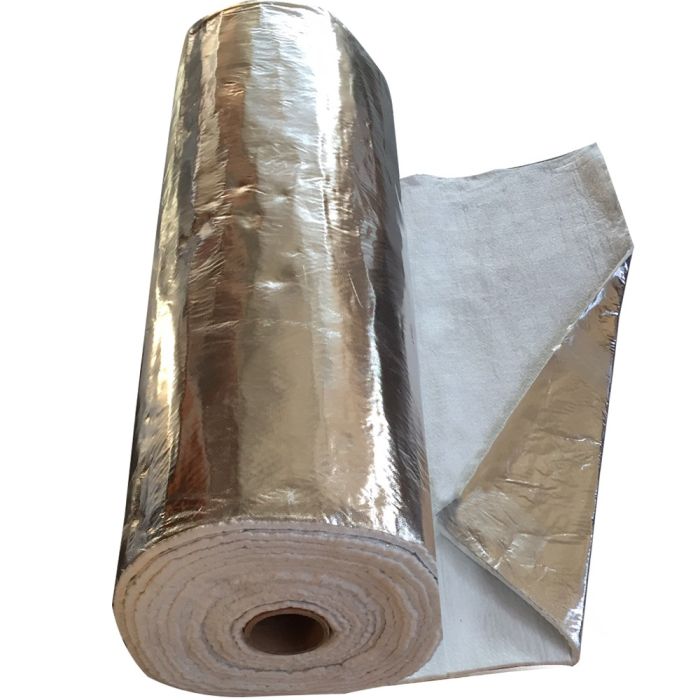
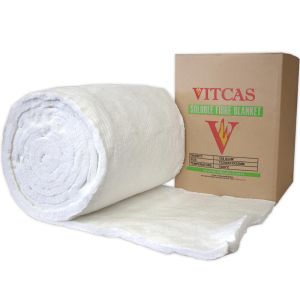
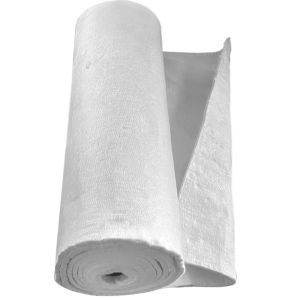
Glass Fibre Aluminium Foiled Mat - High-Temperature Insulation Flue Wrap
VITCAS Glass Fibre Aluminium Foiled Mat is a versatile insulation material designed for both thermal insulation and reflective heat shielding in demanding industrial and domestic applications. Made from high-quality glass fibre, it can withstand temperatures of up to 550°C /1022°F, making it ideal for high-temperature environments. The aluminium foil on one side provides excellent heat reflection and acts as a vapour barrier, although it is best suited for temperatures up to 300°C / 572°F. This dual-layer design makes the mat especially effective in applications where both heat reflection and insulation are required, such as flue wraps.
In flue systems, the aluminium foiled mat helps maintain optimal temperatures, reduces condensation, and prevents tar build-up, extending the life of the flue while improving stove efficiency. The foil acts as a protective shield, reflecting radiant heat, while the glass fibre layer offers strong thermal resistance.
Key Characteristics:
Glass Fibre Heat Resistance: Withstands continuous exposure to temperatures up to 550°C / 1022°F, making it suitable for high-heat industrial applications.
Aluminium Foil: Reflects radiant heat, improves energy efficiency, and serves as a vapour barrier, though it is less resistant to direct heat exposure, withstanding up to 300°C / 572°F.
Flexible and Easy to Install: The mat can be easily cut and shaped to fit a variety of installations, providing reliable insulation for different applications, including flue wraps.
Fire-Resistant: Non-combustible, providing a safe and effective solution for high-temperature applications.
Improves Energy Efficiency: Helps retain heat in industrial systems and reduces energy loss.
Applications:
Flue Insulation: Ideal for use as a flue wrap, insulating flues in stove and chimney systems to prevent heat loss, improve airflow, and reduce condensation and tar build-up.
HVAC Ductwork Insulation: Insulates ducts to prevent heat loss and condensation in heating, ventilation, and air conditioning systems. The aluminium foil enhances heat reflection and vapour resistance.
Industrial Ovens and Furnaces: Used to insulate the outer surfaces of industrial ovens and furnaces, ensuring that heat is retained within the system while reducing external heat transfer.
Automotive and Marine Heat Shields: Suitable for shielding components like exhaust systems, engine compartments, and fuel lines, protecting them from excessive heat.
Pipe Insulation: Perfect for wrapping hot water or steam pipes, preventing energy loss and protecting pipes from environmental damage.
Boilers and Heat Exchangers: Provides insulation for boilers and heat exchangers, ensuring heat efficiency and safety while reducing noise.
Fireproofing Barriers: Used as a fireproof barrier in walls, ceilings, and doors, offering thermal insulation and fire resistance.
Kilns and Foundries: Provides insulation for kilns and foundry furnaces, protecting equipment from extreme temperatures.
Roof and Wall Insulation: Commonly applied in roofing systems and wall cavities to enhance thermal insulation and energy efficiency in both commercial and residential buildings.
Usage Note:
When using the Glass Fibre Aluminium Foiled Mat in high-temperature applications exceeding 300°C (572°F), ensure the aluminium foil side faces away from the heat source to protect it from direct exposure, as the aluminium layer is primarily a reflective barrier and not designed for direct contact with extreme heat.
How does the aluminium-coated flue wrap help reduce condensation and tar?
Answer
The aluminium-coated insulation flue wrap helps keep the flue or liner at a higher temperature, reducing heat loss as gases travel through the chimney. This can improve airflow and reduce the condensation that contributes to tar build-up. The insulating flue wrap must be fitted correctly around a suitable flue system to provide consistent insulation without unprotected gaps.
Question
What temperature can the aluminium flue wrap withstand?
Answer
The glass fibre insulation withstands continuous temperatures up to 550°C. However, the aluminium foil layer is best suited to temperatures up to 300°C. These limits apply to different parts of the product, so the foil should not be treated as having the same direct-heat resistance as the glass fibre mat.
Question
Which side should face the heat source?
Answer
Where temperatures exceed 300°C, the aluminium foil side must face away from the heat source. The glass fibre layer provides the higher-temperature insulation, while the foil acts as a reflective and protective outer layer. Correct orientation prevents the aluminium surface from being directly exposed beyond its temperature capability.
Question
Can the insulation wrap be cut to fit my flue?
Answer
Yes. The flexible glass fibre wrap can be cut and shaped to suit different flues, liners, pipes and installation layouts. Measure each section carefully before cutting so the material provides continuous coverage. Avoid leaving gaps between sections, as these can reduce the effectiveness of the insulation.
Question
How should the flue wrap be secured?
Answer
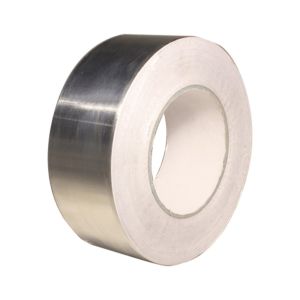
Wrap the insulation around the suitable flue or liner and secure it with VITCAS Aluminium Foil Tape. The installation guidance recommends a 2-inch, or 50.8 mm, overlap and checking that the finished wrap is secure and free from air gaps.
Question
Can the flue wrap insulate a flexible liner inside a chimney?
Answer
Yes. The aluminium-coated flue wrap is designed for insulating flues and flexible liners within stove chimney systems. By reducing heat loss, it helps the liner maintain a more suitable operating temperature. Confirm that the liner, flue arrangement and installation method meet the appliance and chimney-system requirements.
Question
Is the insulation flue wrap suitable for exposed outdoor use?
Answer
The product specification lists the insulation for indoor use. Suitability for an exposed outdoor installation, including the required protection from weather and moisture, is not confirmed. Check the proposed installation with VITCAS technical support before purchasing it for an external or weather-exposed application.
Question
Can this flue wrap reduce condensation and tar build-up?
Answer
Yes. By retaining heat around a stove flue or chimney liner, the insulation helps maintain a higher flue temperature and reduce the cooling that causes condensation and tar build-up. This can support improved airflow and more efficient stove operation. The wrap should be fitted around a suitable flue or liner as part of a correctly designed chimney system.
Question
Is this insulation suitable for stove flues and chimney liners?
Answer
The Aluminium Coated Insulation Flue Wrap is designed for insulating flues and liners in stove chimney systems. Its glass fibre layer reduces heat loss, helping the flue remain warmer during operation. This makes it useful where cooling inside the chimney is contributing to poor draw, condensation or tar formation.
Question
What temperature can the aluminium flue wrap withstand?
Answer
The glass fibre insulation can withstand temperatures up to 550°C. However, the aluminium foil layer is best suited to temperatures up to 300°C. Where the application temperature exceeds 300°C, the foil side must face away from the heat source because it is intended primarily as a reflective barrier rather than for direct extreme-heat exposure.
Question
Which side should face the heat source?
Answer
For applications exceeding 300°C, position the glass fibre side towards the heat source and the aluminium foil side away from it. This protects the foil from excessive direct heat while allowing the glass fibre layer to provide thermal insulation. Confirm the operating temperature and installation arrangement before fitting the material.
Question
What does the aluminium foil layer provide?
Answer
The aluminium foil reflects radiant heat and helps reduce heat loss from the insulated surface. It also acts as a vapour barrier, while the underlying glass fibre provides the main thermal resistance. The foil has a lower direct temperature capability than the glass fibre, so its position is particularly important in applications above 300°C.
Question
Can this wrap insulate pipes and industrial equipment?
Answer
Yes. Confirmed applications include hot-water and steam pipes, HVAC ductwork, boilers, heat exchangers and the outer surfaces of industrial ovens and furnaces. It may also be used for suitable automotive and marine heat-shielding applications. The product is listed for indoor use, and the operating temperature and foil orientation must be checked for each installation.