
Fire-Resistant Boards, Fabrics & Barriers
Rigid Boards and Flexible Fabrics for Heat and Fire Protection
Choose protection that fits the way you build. Rigid boards provide a stable surface for linings and enclosures, while flexible fabrics can be shaped into covers, curtains and protective barriers around equipment. VITCAS brings these options together for projects where heat exposure, installation space and access requirements call for different material solutions.
Explore vermiculite boards, High Temperature Fireboard, Fireplace Construction Board and specialist glass fibre and silica fabrics. From creating a fireplace enclosure to selecting cloth for an industrial insulation jacket, find materials suited to the temperature, environment and construction of your application.
Compare rigid and flexible options below, checking each product’s intended use and technical specification. Where a fire-rated barrier is required, select materials as part of a documented system that provides the necessary performance.
 HT - High Temperature FireboardSpecial Price £35.99 £29.99 Regular Price £47.99 £39.99
VITCAS High Temperature Plasterboard is a non-combustible fireproof board which does not contain any gypsum. Can be used with Vitcas Heat Resistant Plaster in areas where Vitcas Fireplace Render cannot be applied. Non-flammable rating A1 in accordance with EN 13501-1:2019. Fire and water-resistant, mould and mildew resistant.
Read more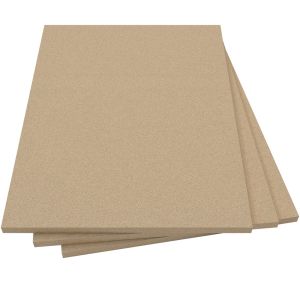 Vermiculite Fire Board Fire-proof InsulationAs low as £35.99 £29.99 Regular Price £71.98 £59.98
Vermiculite Fire Resistant Board – VITCAS Fireproof Insulation, refractory up to 1100ºC / 2010ºF, designed for use as a heat shield, register plate, or replacement for fire bricks in wood-burning and multi-fuel stoves. This versatile board provides excellent thermal insulation and fire resistance.
Read more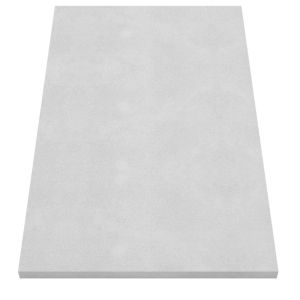 VITCAS Fireplace Construction BoardAs low as £29.99 £24.99 Regular Price £35.99 £29.99
VITCAS CS Fireplace Construction Board is an insulation board resistant to 1000°C / 1830°F. Perfect for use in fireplaces, tiled stoves and corner firesides. Suitable where there is no pre-existing chimney breast or in the centre of a wall or the corner of a room. Simpler and quicker to install than ever before!
Read more Silicone Coated Glass Fibre ClothAs low as £14.40 £12.00 Regular Price £24.00 £20.00
Silicone Coating Glass Fibre Cloth is coated with silicone on both sides. This gives it high water repellence, abrasion and chemical resistance, which makes it suitable for applications in fire protection systems and insulation jackets. Resistant to high temperatures.
Read more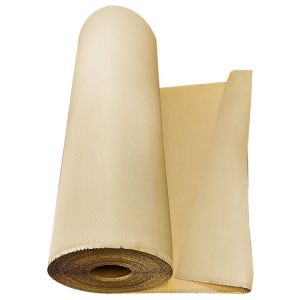 Silica Fibre Cloth 1000°CAs low as £17.99 £14.99 Regular Price £24.00 £20.00
Vitcas Silica Cloth is made from silica fibres with a satin weave and is resistant to temperatures up to 1000°C (1830°F). Its high-temperature resistance makes it ideal for firefighting gear such as fireproof garments and for the filtration of molten metals in extreme heat environments.
Read more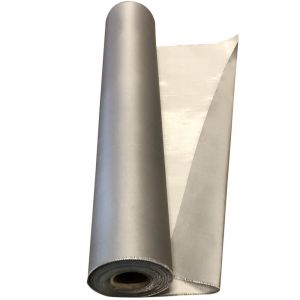 Polyurethane PU Coated Fiberglass ClothSpecial Price £8.40 £7.00 Regular Price £12.00 £10.00
Polyurethane (PU) Coated Glass Fibre Cloth is a halogen-free, gas-impermeable, Fire & Smoke fabric. It withstands short-term temperatures up to 600°C (1110°F) and offers high durability and thermal stability, making it ideal for applications requiring reliable heat and flame resistance.
Read more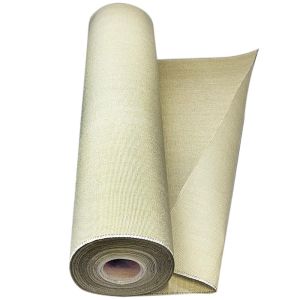 Vermiculite Coated Fiberglass Cloth 1000°CSpecial Price £24.00 £20.00 Regular Price £36.00 £30.00
Vermiculite Coated Fibreglass Cloth improves temperature resistance up to 1000°C (1830°F) by adding vermiculite to glass fibres. It is highly flame-resistant, making it ideal for use in furnace door curtains and other applications requiring direct flame protection.
Read more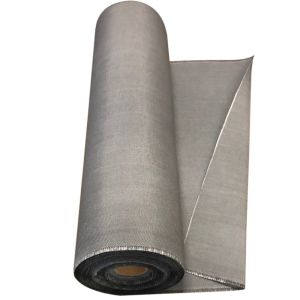 Calcium Silicate Coated Glass ClothSpecial Price £18.00 £15.00 Regular Price £24.00 £20.00
Vitcas Calcium Silicate Coated Glass Cloth is resistant to temperatures up to 750°C / 1382°F. It also offers resistance to abrasion, chemicals, oil spills, and is water repellent and weatherproof, making it ideal for applications like flexible expansion joints.
Read more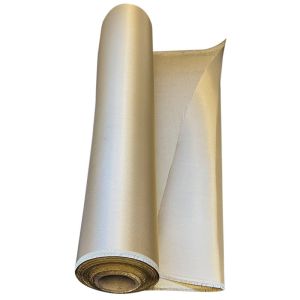 Vermiculite Coated Silica Fibre Cloth 1100°CSpecial Price £17.99 £14.99 Regular Price £30.00 £25.00
Vitcas Silica Fibre Cloth is manufactured from vermiculite-coated silica fibres with a satin weave. It is resistant to 1100°C (2010°F) for continuous use, making it ideal for firefighting equipment. It also excels in the filtration of molten metals and high-temperature dust and offers great abrasion resistance for demanding industrial applications.
Read more
Choose the Right Form of Protection
Effective protection starts with understanding what the material needs to do. A lining may need to retain its shape and accept a decorative finish. An equipment cover may need to flex around complex surfaces and allow maintenance access. A protective curtain may need to withstand repeated movement as well as heat exposure.
The VITCAS range gives installers and fabricators a choice of boards and technical textiles, allowing material selection to reflect the practical demands of the job.
Boards for Linings, Heat Shields and Fireplace Construction
Vermiculite Fire Board
VITCAS Vermiculite Fire Board provides thermal insulation for applications including suitable heat shields, register plates and replacement stove linings. Its stated temperature resistance is up to 1100°C. It offers a practical option where the installation requires a rigid insulating panel cut to the required shape.
High Temperature Fireboard
VITCAS HT Fireboard is a gypsum-free board with an A1 reaction-to-fire classification. It provides a surface for compatible finishing systems, including VITCAS Heat Resistant Plaster, in applications where conventional gypsum plasterboard is unsuitable.
Choose this board with the intended support and finish in mind. Follow the product guidance for fixing, joint treatment and surface preparation to achieve a sound base for the finished installation.
Fireplace Construction Board
VITCAS Fireplace Construction Board is intended for constructing fireplace and stove enclosures, including projects without an existing chimney breast. It offers an insulating construction option for creating the enclosure around a suitable appliance, with the layout, clearances and finishing system determined by the installation requirements.
Technical Fabrics for Flexible Protection
Silicone Coated Glass Fibre Cloth
Silicone Coated Glass Fibre Cloth combines a woven glass fibre base with a coating on both sides. Water repellence and resistance to abrasion make it an option for insulation jacket fabrication and other compatible flexible protection applications where handling and environmental exposure matter alongside heat resistance.
Polyurethane Coated Glass Fibre Cloth
VITCAS PU Coated Glass Fibre Cloth is a specialist fire and smoke fabric with a stated B-s1, d0 reaction-to-fire classification. It offers a coated textile option for designs requiring controlled permeability and resistance to handling damage.
The coating and underlying fabric have different temperature limits. Select the material according to the properties your application needs to retain throughout exposure, particularly where permeability or coating performance is important.
Silica and Vermiculite Coated Fabrics
Silica Fibre Cloth and vermiculite coated fabrics provide options for more demanding thermal environments. The range includes Vermiculite Coated Glass Fibre Cloth and Vermiculite Coated Silica Fibre Cloth, allowing fabricators to compare different fibre bases and surface treatments.
VITCAS Vermiculite Coated Silica Fibre Cloth has a stated continuous service temperature of 1100°C. Its coating improves abrasion resistance, making it an option for suitable industrial heat curtains, removable covers and protective shields exposed to repeated handling.
Calcium Silicate Coated Glass Cloth
Calcium Silicate Coated Glass Cloth combines heat resistance with resistance to abrasion and environmental exposure. Applications include suitable flexible expansion joints and insulation jacket constructions. Its stated temperature limits are 700°C for continuous service and 750°C for short exposure.
Plan Around the Working Conditions
Choosing the highest temperature rating is only one part of material selection. Match the board or fabric to the complete operating environment:
- Identify whether exposure involves radiant heat, hot surfaces, direct flame or sparks.
- Establish the normal operating temperature, peak temperature and exposure duration.
- Decide whether the installation needs rigidity, flexibility or removable access.
- Consider abrasion, moisture, oils and other substances that may contact the material.
- Allow for board joints, fabric seams, edges, fixings and supporting components.
- Check the required thermal insulation or fire performance of the finished assembly.
For fabricated covers and barriers, plan the complete construction before ordering. Fabric width, cutting allowances, overlaps and fastening details all influence material quantities and the finished result.
Understanding Temperature Ratings and Fire Performance
A service-temperature rating describes a material’s suitability for a stated thermal exposure. A reaction-to-fire classification, such as A1 or B-s1, d0, describes its behaviour under defined fire tests. A fire-resistance period describes the performance of a complete construction for a specified duration.
These measures serve different purposes. A high-temperature cloth is not automatically a certified fire curtain, and an A1 board does not by itself establish a fire-resistance period for a wall or enclosure. Where the project requires a rated barrier, use the relevant tested or assessed assembly, including its joints, supports and fixings.
Frequently Asked Questions
Should I choose a board or a fabric?
Choose a board where the application needs a rigid lining, panel or suitable finishing surface. Consider fabric where the design requires flexibility, shaped covers or removable access. Some assemblies combine both, with each material performing a different role.
Does heat-resistant fabric also provide thermal insulation?
Heat resistance means a fabric can tolerate specified exposure; it does not establish how much heat it prevents from passing through. Where limiting heat transfer is the goal, assess the insulation performance of the complete construction, including any additional insulating layers.
Why are coated fabrics available in different types?
Coatings change properties such as abrasion resistance, water repellence, permeability and handling. Select the coating for the working environment as well as the temperature, since the coating may have a lower temperature limit than the base fabric.
Can these materials be used to make a fire or smoke barrier?
Selected materials may be components of an appropriate barrier design. The required performance must be supported for the complete assembly, including seams, edges, fixings and interfaces with the surrounding construction.