
Foundry & Metal Casting
Refractory Linings and Furnace Insulation for Metal Casting
Foundry furnaces require a lining system that contains process heat, protects the casing and remains compatible with the fuel, atmosphere, slag and metal being processed. The VITCAS range includes dense refractory castables and fire bricks for furnace construction, mortar for compatible brick joints, fibre blankets, boards and modules for thermal insulation, and specialist zircon and high-alumina compounds for defined industrial lining, repair and induction-furnace duties. Products may be considered for small crucible furnaces, workshops and industrial foundries, but they are not interchangeable. Select each material according to the furnace type, metal or alloy, operating and upset temperatures, contact with molten metal or slag, thermal cycling, mechanical wear, lining geometry and installation method. A refractory temperature rating does not establish melt compatibility, insulation performance or safe furnace operation, and the furnace lining must not be treated as a substitute for a correctly selected and inspected crucible.
 Refractory Castable Grade 1700°CSpecial Price £56.39 £46.99 Regular Price £59.99 £49.99
VITCAS Refractory Castable 1700 is ideal for industrial purposes and home foundry projects, particularly for lining a metal drum to create a small-scale crucible furnace. With its ability to withstand temperatures up to 1700°C (3090°F), it is even suitable for melting cast iron, ensuring excellent performance and durability in high-temperature applications.
Read more Bio Soluble Insulation Fibre Blanket 1200°C£72.00 £60.00 Regular Price £72.00 £60.00
Vitcas Bio-soluble fibre insulation blanket offers exceptional thermal performance, withstanding temperatures up to 1200ºC (2192ºF). Its low bio-persistence and biodegradable fibres ensure safety and minimal environmental impact. With a density of 128 kg/m³, it provides reliable insulation for high-temperature applications..
Read more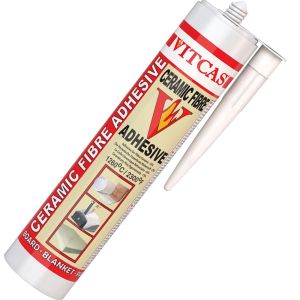 CFA - Ceramic Fibre AdhesiveSpecial Price £11.99 £9.99 Regular Price £23.99 £19.99
VITCAS CFA Ceramic Fibre Adhesive is a versatile bonding solution for ceramic fibre products like blankets, boards, and modules. Ideal for affixing insulation to brick, concrete, or metal, it’s perfect for reinforcing forge interiors or insulating wood-fired ovens.
Read more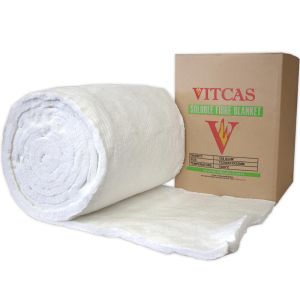 Bio-Soluble Insulation Blanket 1200°C - per Metre£14.39 £11.99 Regular Price £19.19 £15.99
VITCAS Bio soluble fibre insulation blanket is designed to withstand temperatures up to 1200°C (2192°F). This insulation blanket presents a very low health risk due to its low bio-persistence and is safe to handle, making it suitable for both industrial and environmental standards. The blanket is 25 mm thick, 610 mm wide, with a density of 128 kg/m³.
Read more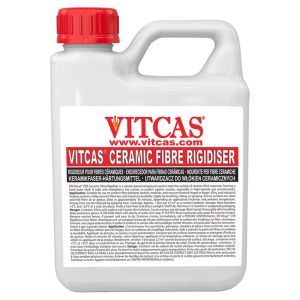 VITCAS Ceramic Fibre RigidiserSpecial Price £15.59 £12.99 Regular Price £47.99 £39.99
Vitcas Ceramic Fibre Rigidiser- a silicate compound. The rigidiser is used for coating the surfaces of ceramic fibre materials. These include the ones used in ceramic kilns, forges and those exposed to high velocity gases. The product acts as a hardener and sealant for these different ceramic fibre surfaces.
Read more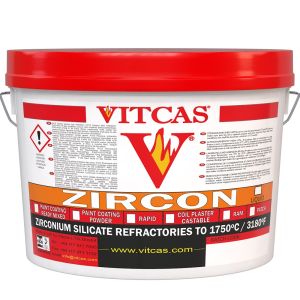 VITCAS Zircon Paint Coating 1750°CSpecial Price £47.99 £39.99 Regular Price £83.99 £69.99
VITCAS Zircon Refractory Paint Coating. It has a creamy consistency and can be applied directly. For spray application, it has to be thinned with water. Its maximum service temperature is of 1750°C / 3180°F. For use on furnaces, ladles, ceramic fibre linings and refractories in contact with molten alloys and glass.
Read more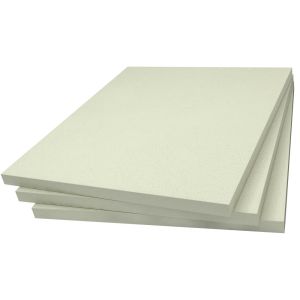 Ceramic Fibre Board 1430°C-VITCAS Insulating BoardAs low as £90.00 £75.00 Regular Price £115.19 £95.99
VITCAS Ceramic Fibre Insulating Fibre Board is resistant to 1430°C / 2600°F. Dimensions: 1200x1000x25mm and 1200x1000x50mm. Due to its high heat resistance and lower thermal mass, heating/ cooling takes quicker and makes it ideal for glass slumping and ceramic kilns.
Read more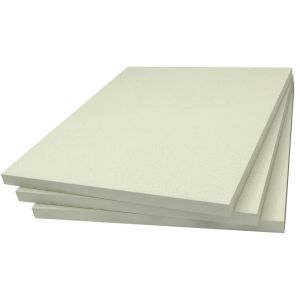 Bio-Soluble Fibre Board 1300°C-VITCAS Insulating BoardAs low as £90.00 £75.00 Regular Price £115.19 £95.99
VITCAS Bio-Soluble Fibre Board 1300°C is a rigid, high-performance thermal insulation board with a density of 300 kg/m³, designed for demanding high-temperature applications. Combining low thermal conductivity with low heat storage and excellent dimensional stability, it is ideal for furnace and kiln linings, heat-treatment equipment, boiler systems and refractory back-up insulation. The bio-soluble fibre composition provides a low-biopersistence alternative to traditional refractory ceramic fibre insulation.
Read more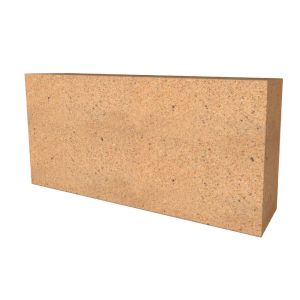 VITCAS Refractory Fire bricks 60% AL2O3Special Price £4.20 £3.50 Regular Price £6.00 £5.00
VITCAS Fire Bricks, 60% Alumina, sized at 230x114x64mm. These high-grade refractory bricks are designed for extreme temperatures up to 1600°C / 2910°F. Ideal for demanding applications like kiln linings, ceramics, metal casting, forges, and brazing hearths, they offer exceptional durability for the most challenging environments.
Read more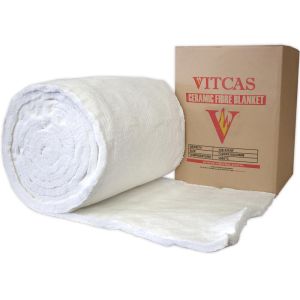 Ceramic Fibre Blanket 1260°C£66.00 £55.00 Regular Price £96.00 £80.00
VITCAS Ceramic Fibre Blanket is resistant to a maximum service temperature of 1260°C (2300°F), with a density of 128kg/m³. Available in thicknesses of 13mm, 25mm, and 50mm, it is widely used in industries like petrochemical, steel, and ceramics. Ideal for insulation and furnace lining applications.
Read more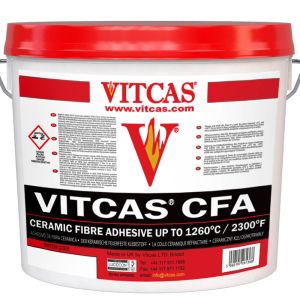 CFA - Ceramic Fibre Adhesive-VitcasAs low as £11.99 £9.99 Regular Price £23.99 £19.99
CFA - Ceramic Fibre Adhesive is a high-temperature, air-setting cement that is specifically designed for use as an adhesive for sticking ceramic fibre materials to brickwork, pizza ovens, or metal. This silica-based adhesive is ideal for use in a wide range of applications where high temperatures are involved, and a strong, durable bond is required.
Read more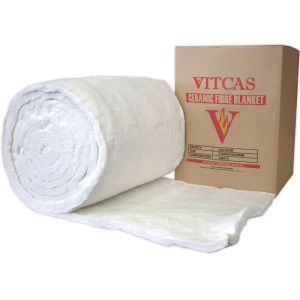 Ceramic Fibre Blanket 1430°C£90.00 £75.00 Regular Price £130.80 £109.00
VITCAS Ceramic Fibre Blanket. Resistant to 1430°C / 2600°F. Density of 128kg/m3. Available in thickness of 13mm, 25mm and 50mm. Can be used in ceramic kilns and in firing stoneware, in making of porcelain or bone china, and in stress relieving insulation, fire protection and power generation.
Read more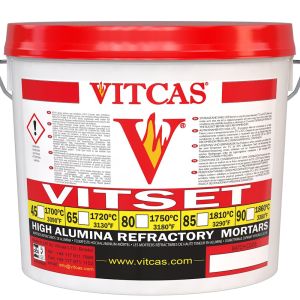 Vitset 45-Refractory Mortar Ready Mixed 1700°CAs low as £17.99 £14.99 Regular Price £35.99 £29.99
Vitset 45 is a versatile, ready-mixed refractory mortar designed to withstand temperatures as high as 1700°C /3100°F. Ideal for trowelling, patching and setting various high-grade refractory and insulation fire bricks rated above 1400°C. Suitable for use with ceramic fibre boards and blankets, making it a practical solution for both repairs and new installations in high-temperature environments.
Read more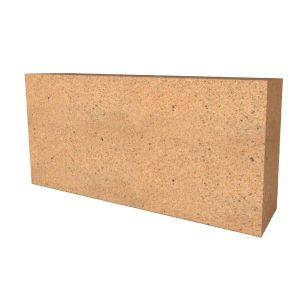 VITCAS Fire bricks 230x114x76mmSpecial Price £3.00 £2.50 Regular Price £4.79 £3.99
VITCAS Fire Bricks, made with 42% Alumina content. Sized at 230 x 114 x 76mm and designed to endure extreme conditions up to 1430°C. Ideal for a range of high-temperature applications including kiln linings, ceramics, metal casting, forges, and brazing hearths, these bricks are the perfect choice for ensuring durability and efficiency in your heat-intensive projects.
Read more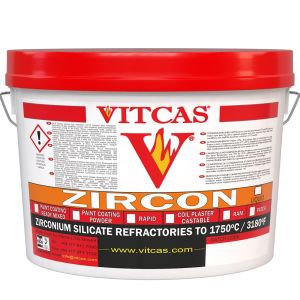 Zircon Coil Plaster Castable 1750°CSpecial Price £78.00 £65.00 Regular Price £82.80 £69.00
VITCAS Zircon Coil Plaster is a fine-grained, zircon-based refractory castable with excellent resistance to molten metal and glass. With a service temperature up to 1750°C / 3180°F, it is ideal for precision applications where standard castables are too coarse. Mixed with water to form a trowellable plaster, it is used in induction furnaces, petrochemical plants, glassworks, and high-temperature research environments.
Read more VITPLAST 85P - Chemically Bonded Mouldable RefractorySpecial Price £71.99 £59.99 Regular Price £78.00 £65.00
Vitcas Chemically Bonded Plastic Mouldable Refractory- Vitplast 85P. The refractory plastic mouldable has a high alumina content and can withstand high temperatures reaching 1700°C / 3100°F. It is used for purposes such as capping and on the prouts of electic induction furnaces.
Read moreEnquire about this product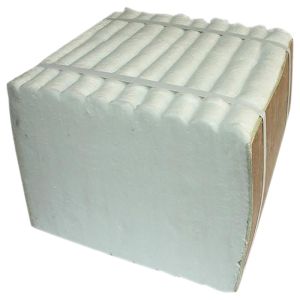 Ceramic Fibre Module -1430°C
Ceramic fiber modules typically consist of multiple layers of ceramic fiber blanket material that are stacked and compressed into a rigid, modular shape. The advantages of ceramic fiber modules include their high temperature resistance, low thermal conductivity, and excellent thermal shock resistance. They are also lightweight and easy to install, making them a popular choice for many high-temperature applications.
Read moreEnquire about this product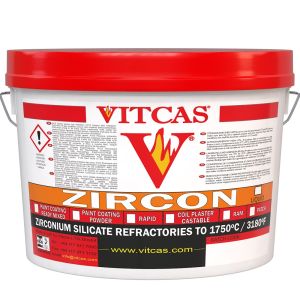 Zircon Patch - Chemically Bonded Refractory Patching Mix£118.80 £99.00
Vitcas Zircon Patch is a high strength, chemically bonded material which resists high temperatures reaching 1750°C. It is a refractory patching mix that can be used for hot and cold repairs due to its high moisture content. The zircon-based patch can be used for repairing silica, zircon, alumina refractories.
Read moreEnquire about this product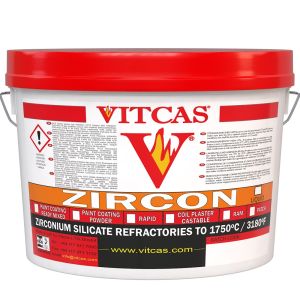 Zircon Ram - Chemically Bonded Refractory Ramming Mix£118.80 £99.00
Vitcas Zircon Ram is a zircon-based, chemically bound, refractory ramming mix. It is found in a semi-dry consistency with a 5% moisture content. The high strength zircon ram can be used in applications such as in the glass industry, specifically for lining glass tanks and furnaces.
Read moreEnquire about this product
A Foundry Furnace Uses Several Material Functions
The working lining, backup insulation, joints, burner opening, lid, base and casing form one thermal and mechanical system. A dense hot face provides shape and resistance to wear; a lower-density layer reduces heat transfer; and compatible fixing, jointing and repair products complete defined details. Selection changes with furnace design: a fuel-fired crucible furnace, resistance furnace and induction furnace do not impose the same duty.
The furnace lining is not the crucible. The crucible contains the molten metal and must be selected for the alloy, furnace type, capacity, heating rate and pouring practice. Refractory castable, brick, fibre board or coating should not be improvised as a crucible unless the product manufacturer has expressly qualified a complete design for that purpose.
Functions Within a Foundry Lining
| Material type | Primary function | Critical selection factors |
|---|---|---|
| Dense refractory castable | Forms a monolithic hot face, plinth or shaped furnace component | Temperature, alloy and slag compatibility, thickness, anchors, water addition, curing and dry-out |
| Dense refractory brick and mortar | Creates a robust, dimensionally controlled working lining | Brick chemistry, joint thickness, thermal expansion, abrasion, atmosphere and repair access |
| Fibre blanket, board or module | Reduces heat loss and stored energy | Temperature grade, shrinkage, thermal conductivity, compression, fixings, gas velocity and fibre controls |
| Plastic, patching or ramming mix | Builds or repairs a defined industrial lining zone | Substrate, compaction, geometry, metal contact, setting mechanism and commissioning schedule |
| Zircon plaster or coating | Protects a compatible substrate or serves a specialist coil, launder or metal-handling detail | Layer thickness, substrate, alloy, wetting, electrical duty, application and dry-out |
| Adhesive or rigidiser | Bonds or surface-hardens compatible fibre products | Product format, temperature, substrate preparation, mechanical retention and exposure |
Furnace Hot-Face and Construction Materials
| Product | Temperature | Potential foundry role |
|---|---|---|
| Refractory Castable Grade 1700 | 1700°C | Dense monolithic lining and shaped furnace sections, including suitably designed small crucible furnaces |
| 60% Alumina Refractory Fire Bricks | 1600°C | High-alumina unit masonry for industrial furnace areas with a compatible thermal, mechanical and chemical exposure |
| 42% Alumina Fire Bricks | 1430°C | Dense high-duty brick lining for compatible furnace chambers, floors and shaped sections |
| Vitset 45 Refractory Mortar | 1700°C | Ready-mixed, air-setting mortar for setting compatible dense or insulating refractory bricks |
Dense castable and fire bricks supply the working surface and mechanical body of the lining; they are not equivalent to lightweight insulation. Compare bulk density, apparent porosity, strength, permanent linear change and thermal conductivity, together with resistance to the actual alloy, slag, flux and furnace atmosphere. Alumina percentage and headline temperature alone do not demonstrate resistance to every molten metal.
Specialist Foundry and Induction-Furnace Materials
| Product | Temperature | Defined industrial role |
|---|---|---|
| VITPLAST 85P Mouldable Refractory | 1700°C | High-alumina rammed material for capping and spout details in compatible electric induction furnaces |
| Zircon Patch | 1750°C | Semi-dry, chemically bonded material for defined repairs to compatible silica, alumina or zircon refractories |
| Zircon Ram | 1750°C | Semi-dry zircon ramming mix for compatible industrial launders, ladles and backing zones |
| Zircon Coil Plaster | 1750°C | Fine-grained hydraulic plaster for specified induction-coil protection and precision refractory details |
| Zircon Refractory Coating | 1750°C | Thin protective layer on compatible refractory substrates, including selected aluminium-handling applications |
These specialist products require an equipment- and process-specific method. A patching compound does not restore a cracked coil, failed earth-leakage protection, damaged crucible or severely thinned working lining. Product references to hot repair describe specialised industrial practice; they are not an instruction to approach or repair a live small foundry furnace. Any hot repair requires the furnace operator's authorised procedure, competent personnel, remote or protected working methods and a task-specific risk assessment.
Fibre Insulation and Installation Products
| Product | Temperature | Potential lining role |
|---|---|---|
| Biosoluble Fibre Blanket | 1200°C | Flexible low-mass insulation supplied in full rolls for suitable protected layers |
| Biosoluble Insulation Blanket per Metre | 1200°C | Cut-length version for small furnaces, repairs or planned maintenance quantities |
| Ceramic Fibre Blanket 1260 | 1260°C | Flexible insulation for protected furnace layers, joints and suitable lid or casing details |
| Ceramic Fibre Blanket 1430 | 1430°C | Higher-temperature flexible insulation in a correctly fixed and protected system |
| Ceramic Fibre Board 1430 | 1430°C | Rigid 300kg/m³ insulation for controlled shapes and protected furnace zones |
| Ceramic Fibre Module 1430 | 1430°C | Compressed modular insulation for engineered industrial linings with a defined anchor system |
| CFA Ceramic Fibre Adhesive, 310ml | 1260°C | Cartridge-applied bonding of compatible fibre products to prepared substrates |
| CFA Ceramic Fibre Adhesive | 1400°C | Trowel- or brush-applied bonding of compatible fibre blanket, board or modules |
| Ceramic Fibre Rigidiser | 1000°C | Surface hardening of compatible fibre in locations within the product's temperature and erosion limits |
Blanket, board and modules are different formats rather than interchangeable thicknesses. Blanket conforms to curved surfaces, board provides rigidity and modules form a compressed industrial lining. Adhesive and rigidiser are ancillary products; neither replaces mechanical retention where anchors are required. Rigidiser can harden the exposed fibre surface but does not make it suitable for direct burner impingement, molten-metal contact or structural loading.
Small Crucible Furnaces and Home Foundries
A small fuel-fired crucible furnace commonly combines a dense, abrasion-resistant hot face with backup insulation inside a mechanically stable steel casing. The design must maintain the burner or tuyere geometry, exhaust route, crucible clearance, stable base and lid integrity while allowing thermal expansion. The exterior must remain guarded or located so that accidental contact and ignition of nearby materials are controlled.
Do not size a lining from melting point alone. The furnace atmosphere and hot face operate above the alloy's liquidus temperature, and local flame temperature can be substantially higher. Determine the expected hot-face temperature, heat-up rate, duty cycle and casing-temperature target before selecting castable, brick and insulation thicknesses.
A home foundry is still a molten-metal process. It requires a dedicated, dry, non-combustible work area with controlled access, suitable ventilation, stable equipment and an unobstructed route for handling and emergency withdrawal. A garage, shed or domestic room is not automatically suitable merely because the furnace is small.
Crucible, Plinth and Pouring Equipment
Select the crucible from the crucible manufacturer's data for the alloy, furnace type, maximum charge, flux practice and lifting arrangement. Inspect it before every melt for cracking, distortion, glazing, erosion and damage to the rim or body. Observe the manufacturer's first-use, preheating and retirement criteria. A refractory coating on the furnace does not extend the safe life of the crucible.
The crucible plinth or base block must be level, stable at temperature and compatible with the crucible. It should provide the designed burner and floor clearance without concentrating load on an unsuitable point. Tongs, lifting shanks, pouring shanks, ladles and mould supports must fit the intended load and remain controllable throughout the pour. Trial the complete movement with a cold, representative load before hot work.
Fuel-Fired, Resistance and Induction Furnaces
Fuel-Fired Furnaces
Burner alignment, flame path, exhaust area and combustion-air settings affect local lining temperature and carbon-monoxide production. Repeated erosion at the burner port or a hot spot on the casing can indicate geometry or commissioning problems, not simply an inadequate temperature grade. Fuel systems, controls and ventilation must be designed and commissioned for the equipment and location.
Electric Resistance Furnaces
Insulation must remain compatible with element supports, terminals and required electrical clearances. Do not allow conductive contamination, coating or molten metal to bridge live components. Follow the furnace manufacturer's design for element grooves, penetrations, earthing, guarding and isolation.
Induction Furnaces
The working lining, coil grout or plaster, spout, capping and coil-protection system perform distinct functions. Zircon Coil Plaster and VITPLAST 85P are specialist industrial materials and must be installed to the induction-furnace supplier's detail. Lining thickness, sintering, ground-leak detection, coil cooling and electrical inspection are safety-critical; category copy cannot provide a replacement specification.
Metal, Alloy, Slag and Flux Compatibility
Aluminium, copper alloys, cast iron, steel and other metals impose different temperatures and chemical conditions. Alloying elements, oxide build-up, slag and fluxes can change wetting, penetration and reaction with the refractory. Establish whether a product will form the hot face, sit behind another lining or contact molten material directly.
Do not infer universal non-wetting behaviour from zircon content, or universal molten-metal resistance from alumina content. Request technical evidence for the exact alloy and temperature. For critical industrial service, use laboratory analysis, a controlled trial and examination of the previous lining. Magnesium and other reactive metals require specialised process controls and should not be treated as routine home-foundry melts.
Moisture Control, Curing and Dry-Out
Water contamination of molten metal can cause an explosion. Keep charge material, crucibles, ladles, tools, moulds, floors and the furnace protected from rain, condensation and other moisture. Hollow or closed scrap can retain liquid and create additional hazards; accept and prepare charge only under a documented safe method.
Any refractory installed with water must be placed, cured and dried under a controlled procedure before melting starts. Dose clean mixing water accurately, homogenise the castable, complete placement during its usable time and consolidate it without separating the aggregate. Adding unnecessary water can raise porosity and prolong moisture removal. A dry-looking face gives no assurance that the lining core is moisture-free.
Follow a product- and installation-specific dry-out schedule based on material, thickness, total volume, ambient curing, ventilation and furnace geometry. Progress through low-temperature holds before full firing as specified, and confirm the procedure with the furnace or refractory supplier. Never accelerate first firing by introducing molten metal into a lining whose dryness has not been established.
Inspection and Lining Maintenance
- Inspect the working face: look for open joints, spalling, glazing, metal penetration, flux attack, erosion and loss of section.
- Map casing temperature: compare measurements at similar furnace settings and investigate any new or enlarging hot area.
- Check the burner or element zone: identify flame impingement, damaged ports, loose supports and altered clearances.
- Assess fibre insulation: look for shrinkage gaps, loose fixings, damaged boards, eroded surfaces and exposed casing.
- Examine plinths and handling equipment: confirm stability, correct fit, alignment and freedom from cracks or distortion.
- Inspect the crucible separately: apply the crucible manufacturer's acceptance and retirement criteria before every melt.
- Record repairs: retain the product batch, location, thickness, mixing, curing, dry-out and post-commissioning inspection data.
Limit patching to areas surrounded and supported by serviceable material. Recurring cracks, deep alloy ingress, multiple casing hot areas, visible coil components, containment failure or major loss of thickness call for shutdown and failure investigation instead of another superficial repair.
Molten-Metal Safety and Exposure Control
Prevent water or other contamination from entering molten metal. Dry and inspect the charge, moulds, ladles and implements; maintain dry, even floors and keep the pouring route clear. Exclude unnecessary people and use screening or distance wherever practicable. Establish an emergency plan and suitable fire-control measures for the metals, fuels and electrical equipment present; water must not be applied where it can contact molten metal.
Select face, eye, body, hand and foot protection from a molten-metal splash risk assessment and the metal being processed. Ordinary heat-resistant clothing is not automatically suitable for molten aluminium, iron, copper or brass splash. PPE supplements furnace integrity, dry working practices, guarding, ventilation and segregation; it does not replace them.
Combustion products, metal and flux fumes, binder decomposition, casting sand and dry refractory work can create hazardous airborne contaminants. Use substitution, enclosure and effective local exhaust ventilation where practicable, supported by suitable respiratory protection when the assessment requires it. Review current safety data sheets and control cutting, mixing and removal of refractory or fibre products under the applicable COSHH assessment.
Frequently Asked Questions
What refractory material is suitable for a small foundry furnace?
A small crucible furnace commonly uses a dense castable or fire-brick hot face with lower-density insulation behind it. The correct grades and thicknesses depend on furnace type, fuel, alloy, operating temperature, geometry, cycling and casing-temperature target.
Is Refractory Castable Grade 1700 an insulation material?
It is a dense refractory concrete used to form robust hot-face and shaped lining sections. Its 1700°C rating does not give it the same low thermal conductivity as fibre blanket or board. Use thermal data for the complete lining design.
Can refractory castable be used as a crucible?
Do not assume so. A crucible is a separately engineered container selected for a particular alloy, furnace and handling method. General furnace castable should not be improvised as a crucible without explicit manufacturer qualification of the complete design.
How do the 42% and 60% alumina fire-brick grades differ?
The catalogue assigns 1430°C to the 42% alumina grade and 1600°C to the 60% grade. Those two figures do not complete the specification: strength, open porosity, cyclic behaviour and reaction with the real alloy, slag and furnace atmosphere must also be assessed.
Can ceramic fibre blanket be the exposed furnace lining?
Only where the selected grade, fixing method, shrinkage and surface treatment are verified for the temperature, flame pattern, gas velocity and mechanical exposure. A dense hot face may be required where the lining can be struck, abraded or splashed with metal.
How should I choose between fibre blanket, board and modules?
Blanket is flexible, board is a rigid vacuum-formed panel and modules are compressed assemblies for an engineered anchor pattern. They have different installation, joint, shrinkage and exposure requirements.
Does a 1700°C refractory mean I can melt any metal?
No. The rating is a material temperature limit under stated conditions, not approval for every metal or furnace. Alloy and slag chemistry, wetting, local flame temperature, mechanical load and crucible suitability remain separate requirements.
Which materials are intended for induction furnaces?
Zircon Coil Plaster is listed for specified coil-protection details, while VITPLAST 85P is listed for capping and spouts. They do not replace the working lining, coil cooling, earth-leakage system or furnace manufacturer's installation design.
What is Zircon Ram used for?
It is a semi-dry, chemically bonded zircon ramming mix for compatible industrial launders, ladles and refractory backing duties. It requires controlled compaction and commissioning and should not be treated as a general-purpose home-foundry filler.
Can Zircon Patch be applied while a furnace is hot?
The product is promoted for hot and cold industrial repairs, but hot repair is a specialist operation. It requires an authorised procedure, competent personnel and task-specific protective controls. It is not appropriate as an improvised repair beside live molten metal.
Does zircon coating prevent molten metal from attacking every lining?
No. Performance depends on the substrate, alloy, slag or flux, temperature, thickness and application. Confirm compatibility for the exact process. A thin coating cannot restore missing lining thickness or bridge moving cracks.
Can ceramic fibre adhesive replace anchors?
No, if mechanical fixing forms part of the lining design. Bonding can secure a compatible fibre product to a prepared substrate, but exposed systems, modules and substantial boards may still need purpose-designed anchors. The cartridge and larger CFA formats also carry different published temperature limits.
What does ceramic fibre rigidiser do?
It consolidates the surface fibres and may lessen light erosion. The treatment neither makes blanket structural nor approves it for contact with a melt. The catalogue gives the rigidiser itself a 1000°C rating.
Why must a new foundry lining be dried slowly?
Installation moisture can remain inside castable after the face appears dry. An aggressive first firing may turn it to pressurised steam, damaging or ejecting refractory. If residual water encounters a melt, the consequence can be an explosive event.
Why must scrap, tools and moulds be dry?
Water contamination of any molten metal can cause an explosion. Inspect and prepare the charge, crucible, ladles, tools and moulds under a controlled dry-working procedure and protect the melting and pouring area from rain and condensation.
Can aluminium, bronze and cast iron use the same lining?
Not automatically. They operate at different temperatures and interact differently with oxides, alloying elements, slag and flux. Confirm refractory and crucible compatibility for the exact alloy and operating practice.
What causes a hot spot on a foundry furnace casing?
Possible causes include missing insulation, open joints, lining shrinkage, metal penetration, a displaced module, flame impingement or failed anchors. Stop and inspect if the change is abnormal; adding a surface coating is not a sufficient diagnosis.
What information is needed to specify a foundry lining?
Provide furnace type and dimensions, fuel or electrical design, metal and alloy, melt capacity, normal and upset temperatures, slag and flux, duty cycle, existing lining build-up, contact zones, burner or element geometry, casing-temperature target, installation method and dry-out plan.