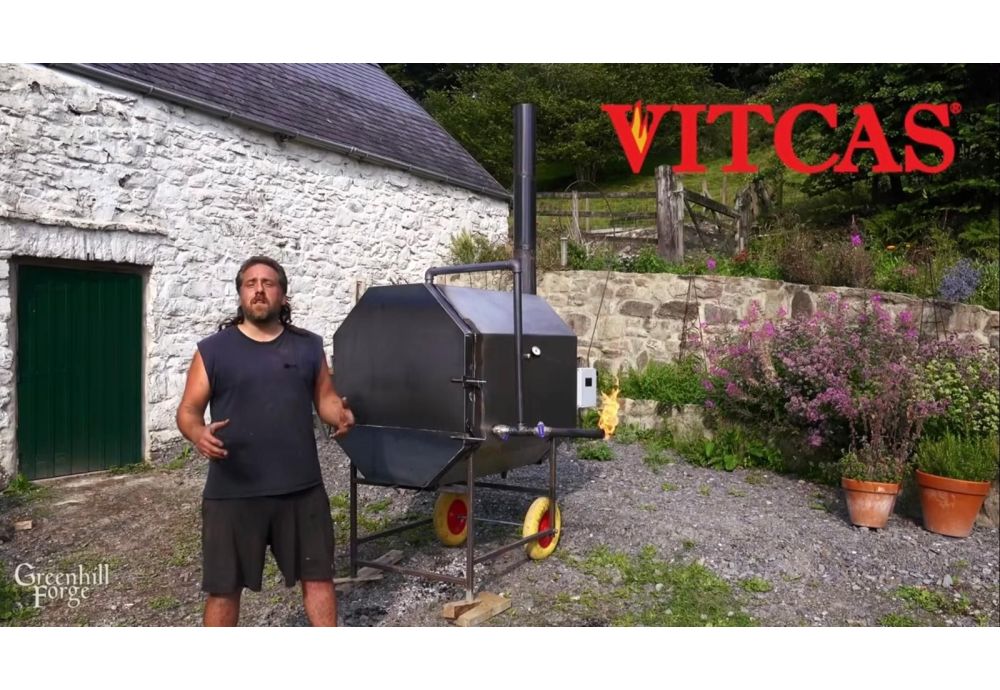
A DIY garden incinerator is a const-effective solution that allows you to quickly and efficiently dispose of your garden waste, such as small twigs, branches and dry leaves, especially when the waste cannot be thrown onto the compost heap. Garden incinerators are easily available in hardware stores, but if you’re under a budget and ready for a small DIY project, you can easily build your own garden incinerator.
While garden incinerators are available in most hardware stores, building your own is simple, affordable, and takes just a few materials. This guide walks you through exactly how to do it — and how to stay safe in the process.
How Do Garden Incinerators Work?
Garden incinerators can generate high temperatures, and due to this, they are widely used to burn different types of waste. This is especially common on allotments where a huge amount of garden waste is produced, hence garden incinerators have proven to be indispensable.
How does such a simple tool like an incinerator produce such a high temperature? This is mostly due to the air holes that permit a consistent air flow to the fire. Within a short period of time, an incinerator can burn through a huge amount of garden and household waste.
Due to their efficiency, cost-effectiveness, and time-saving advantages, garden incinerators are becoming popular household items, and an increasing number of people are making their own incinerator for incinerating garden waste.
Instead of standing in a long queue to dispose of your garden waste or paying for waste collection, you can make your own incinerator for garden waste.
Benefits of a DIY Garden Incinerator
-
✅ Quick and efficient garden waste disposal
-
✅ Reduces trips to the local tip or collection fees
-
✅ Easy to build with minimal tools and materials
-
✅ Environmentally friendly when used responsibly
-
✅ Ash residue can be used as a soil amendment
Incinerating Garden Waste
A garden incinerator is ideal for burning natural, dry organic waste that cannot be composted. This includes:
-
Small branches and twigs
-
Dry leaves
-
Hedge cuttings
-
Tough plant stalks from vegetables and fruit plants
For best results:
-
Always burn dry materials — wet waste causes smoke and reduces efficiency
-
Avoid compacting the bin too tightly; allow air to circulate
-
Burn on calm, dry days to reduce smoke drift and fire risk
Once cooled, the ashes can be reused in your garden as a soil enhancer, especially for alkaline-loving plants.
Step By Step: How to Build Your Own Garden Incinerator
Get an Aluminium Bin for the Incinerator's Vessel
The classic circular aluminum trash can, rubbish bin or barrel still serves as the best option for a DIY incinerator project. You can purchase them from hardware or DIY stores, or if you have an old one lying around your garage, that should work just fine.
Use Your Drill to Cut Holes into the Bin
Next, you will need to drill holes into the can so that the fresh air can flow into the fire. A couple of inches above the can’s bottom, drill a series of holes around the can’s circumference. Make sure that the holes are about 5cm in diameter.
Get the Ground Ready for the Incinerator
Make sure that you place the incinerator in a location where there are no combustible materials to prevent any untoward fire incident. Additionally, ensure that the incinerator is also a safe distance away from your home. It is best that you place the incinerator on soil-covered ground. There should be nothing above, below, or near the incinerator that could catch fire.
Position the Bricks for Support
Place a handful of firebricks underneath the aluminum bin in a circular position to support the incinerator. Moreover, the additional airspace created underneath will prevent the flame from killing nearby plants and grass.
Fill the Bin with Garden Waste & Start Incinerating
Once you’ve set the bin onto the fire bricks for support, you can fill it with your garden or household waste. However, never fill it more than halfway to the top. Moreover, ensure that the waste isn’t wet while burning. Only burn waste in dry weather and when there is no wind. To increase the burning efficiency and keep the incinerator hot, you can also fill it with carbon-rich organic matter.
Finally, use a match or a firelighter to set fire to the garden debris. If you want to stop the fire for any reason, you can simply put the lid onto the bin, and this will douse out the flames. Keep a bucket of water or hose nearby in case of emergencies.
You must never leave your incinerator without supervision. Wait until all fire and hot embers are fully extinguished before handling ashes. You can later use the ashes as soil amendment or put it into your compost bin.
Safety Tips
To use an incinerator safely, you must follow a few safety precautions. Firstly, it is highly recommended that you use safety gear such as eye protection glasses and fire-resistant gloves. Secondly, aluminum can get very hot while burning, so make sure that you never touch it while it is hot. Lastly, make sure that you are well versed with all the local regulations regarding smoke and the open burning of any kind of materials.
You can use your garden incinerator to burn waste, such as leaves, branches, twigs, hedge cuttings and grass. On allotments, they are often used also to burn vegetable and fruit leaves and tops at high temperatures quickly.
However, NEVER burn materials such as electrical appliances or batteries, plastic, rubber or painted wood, food or animal waste, treated timber or chemicals, fibreglass, paint or synthetic fabrics. Burning these materials can release toxic fumes and is illegal in many areas. For these items, it is highly recommended that you follow your local guidelines and dispose of them through your local waste collector.
Regulations
In many places, burning garden waste is allowed as long as it doesn’t cause harm or create a public nuisance (e.g., excessive smoke, foul odour, pollution or harm to public health). However, some councils prohibit open burning altogether.
Always check your local council's or municipality's regulations concerning the burning of materials. You need to check for any specific burn bans during dry seasons or if your area classifies fumes and smoke from garden fires as a 'statutory nuisance'.
If burning is not permitted, consider composting or paying for a green waste collection service.
Conclusion
A DIY incinerator can save you a lot of time, is super easy to build, and requires just a few materials. Moreover, you don't need to waste money on disposal fees or wait in a long queue to throw away your garbage. You only need a few materials and basic tools for this DIY project, which are readily available in any hardware store.
Just remember: always follow local guidelines, never leave the incinerator unattended, and avoid burning anything that could cause pollution. Used correctly, a garden incinerator is a fantastic tool for efficient and responsible garden maintenance.