Industrial decarbonisation presents both significant challenges and opportunities for manufacturers, especially in energy-intensive sectors. Refractories—heat-resistant materials used to line furnaces, kilns and reactors—are essential to producing steel, non-ferrous metals, glass, cement, and ceramics, all of which are foundational to green infrastructure.
This article explores how refractory manufacturers are enabling decarbonisation, the pivotal role of refractories in the net-zero transition, and the technologies underpinning clean energy infrastructure.
Why Refractories Matter for Net Zero
Refractories are the enablers of high-temperature industrial processes. They allow furnaces, kilns and reactors to operate at temperatures above 1500°C, resist corrosion and maintain structural integrity. Their performance directly affects energy efficiency, emissions and equipment longevity.
From steel for wind turbines to glass for solar panels and metals for EV batteries, refractories enable the manufacturing of foundational components for clean energy. Optimised refractory systems could save over 400 trillion Btu per year, making them a high-impact opportunity for emissions reduction.
Products such as:
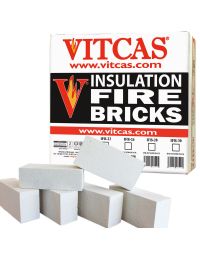
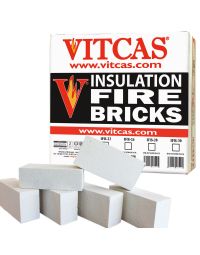
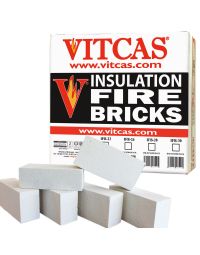
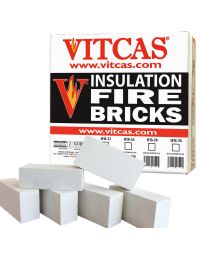
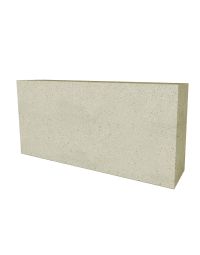
- IFB Insulating firebricks (Grades 23–30)
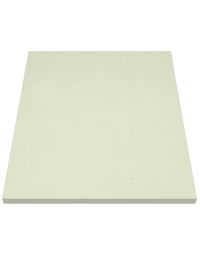
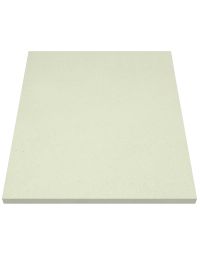
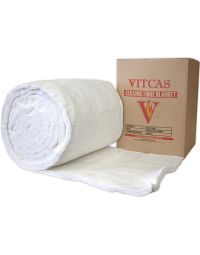
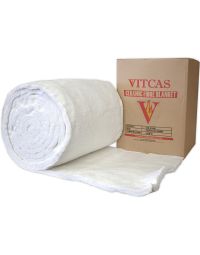
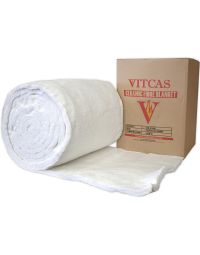
- Vitcas ceramic fibre boards and blankets
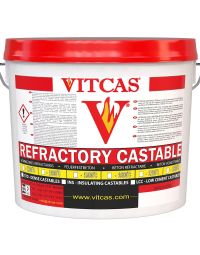
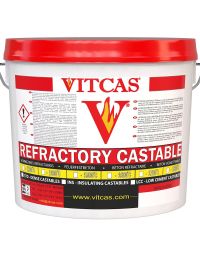
- VITCAST refractory castables (1300–1700°C range)
- Heat-resistant sealants and adhesives are widely used to improve thermal containment and reduce fuel use in kilns, ovens and boilers—particularly for decentralised clean heat systems.
How Refractories Enable Low-Carbon Innovation
Steel, Glass and Batteries
- Wind turbines require high-quality steel made in electric arc furnaces, which demand slag-resistant linings.
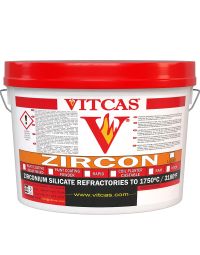
- Solar panels depend on ultra-pure glass processed in kilns lined with zircon and alumina-based castables.
- Battery metal refining (lithium, cobalt) involves highly corrosive conditions—calling for acid-resistant mortars and durable dense castables, such as those in the Vitcas VITCAST range.
- Rare earth processing (including separation, smelting, and alloying) requires extreme temperatures, where refractories are critical to withstand corrosion and thermal shock.
Hydrogen and Carbon Capture
- Hydrogen-based metallurgy requires refractories with low silica content. Additionally, high-alumina castables and ceramic fibre insulation can support early-stage hydrogen-ready systems.
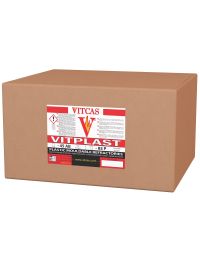
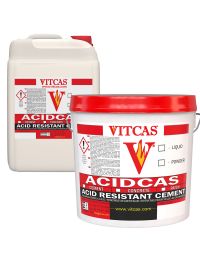
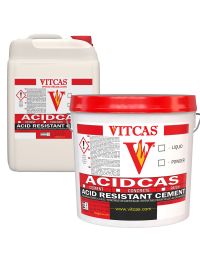
- For carbon capture and waste-to-energy systems, Vitcas phosphate-bonded cements (VITPLAST 85P - Mouldable Refractory, Zircon Patch and Zircon Ram) and acid-resistant materials (Vitcas Acidcas range) provide protection against corrosive agents at high temperatures.
Circularity and Waste Reduction
Durability reduces emissions across a refractory’s life cycle. Vitcas products are formulated to endure thermal cycling, abrasion and chemical exposure—reducing the frequency of replacement and the carbon footprint of maintenance.
Circularity is emerging as a key focus:
- Durable firebricks and precast shapes reduce waste
- Lower-temperature curing castables could reduce production energy
- Future recycled refractory aggregates may support a circular economy approach
Enabling Small-Scale Clean Heat Systems
Vitcas is uniquely positioned to support decentralised heating and thermal systems, where sustainability and energy self-sufficiency are priorities:
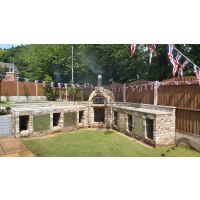
- Rocket stoves and mass heaters benefit from insulating firebricks, vermiculite boards and high-temperature adhesives
- Biomass boilers and agricultural drying systems gain efficiency with ceramic fibre linings and acid-resistant mortars
- Artisanal kilns for pottery or glass are increasingly upgraded with VITCAS insulation firebricks, refractory castables, zircon coating and refractory mortars to improve performance and reduce heat loss
Europe’s Role in the Refractory Supply Chain
Europe plays a central role in the global supply of refractory materials, both in terms of raw mineral resources and advanced processing capabilities. Key countries across the continent contribute unique strengths that support the industries required for decarbonisation.
Austria is a major source of magnesia and spinel-based refractories, which are critical in steelmaking and cement kilns—industries now under pressure to reduce their carbon footprint. Similarly, Germany leads in the production of high-performance refractories based on alumina, silica and zircon, supporting applications in solar panel manufacturing, hydrogen furnaces and advanced ceramics.
In France, manufacturers produce high-purity alumina and dense castables used in demanding environments such as battery metal refining and glass processing. The United Kingdom supplies fireclay, insulating boards, and other refractory materials commonly used in biomass boilers, artisan kilns, and small-scale combustion systems.
Greece is rich in natural magnesite, which feeds into the production of basic refractories essential for high-temperature industrial furnaces. Meanwhile, Slovakia specialises in producing fused and dead-burned magnesia, often used in electric arc furnaces (EAFs) and slag line zones in steel recycling.
In southern Europe, Italy and Spain contribute through the supply and processing of chamotte and mullite, both widely used in ceramic insulation, kiln linings, and the broader ceramic industry. Czechia rounds out the map with strong production of alumina and silica-based refractories, particularly for the glass and manufacturing sectors.
Together, these countries form a critical backbone for Europe's transition to cleaner technology. Not only do they provide the necessary raw materials, but they also host sophisticated manufacturers developing the next generation of energy-efficient, low-carbon refractory solutions that enable green technologies to scale.
Practical Materials for a Net Zero Future
Refractories may not be the face of clean energy, but they are indispensable behind the scenes. Without them, there is no clean steel, no glass for solar panels, and no metal refining for EV batteries. Vitcas are supporting the energy transition through everyday materials: insulation boards that reduce fuel use, castables that extend kiln life, and firebricks that help build more efficient, lower-emission heating systems. By aligning with Europe’s deep refractory tradition and embracing new material strategies, Vitcas have a real role to play in helping industries meet their net zero goals.