
Heritage Railway & Steam
Refractory Materials for Steam Locomotives, Boilers & Railway Restoration
Vitcas supplies refractory and high-temperature materials for heritage railways and steam locomotives, supporting locomotive boiler maintenance, firebox repair, thermal insulation and traditional railway engineering. The range includes refractory castables, fire bricks and mortars, ceramic fibre insulation, heatproof screed, sealing and luting compounds, adhesives and associated materials for restoration workshops, locomotive engineers and railway preservation projects.
Working steam locomotives place demanding thermal conditions on materials surrounding the firebox, boiler barrel and smokebox. These products are designed for the demanding temperatures and repeated thermal cycling associated with heritage steam locomotive boilers, fireboxes and auxiliary systems. Suitable refractories help maintain firebox components and brick arches, while effective boiler insulation reduces heat loss and supports more consistent steam generation. Product selection should reflect the locomotive component being repaired, operating temperature, thermal cycling, mechanical exposure and the requirements of the individual boiler and restoration project.
 Vitcas Refractory Castable Grade 1600°C-Refractory ConcreteSpecial Price £47.99 £39.99 Regular Price £53.99 £44.99
Castable Refractory (Refractory Concrete) is used for repairs to boiler linings, boiler doors and incinerator linings. For use where localised temperatures are higher; for example in gas or oil burner blocks and where forced air is being used.
Read more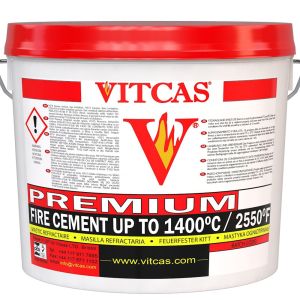 Premium 1P Sealing & Luting Compound 1400°CSpecial Price £35.99 £29.99 Regular Price £59.99 £49.99
Vitcas Premium 1P is a high temperature resistant, sealing and luting compound. It serves to a maximum temperature of 1400°C / 2550°F. It is very easy to apply and adheres exceptionally well in relining of bearings and manufacturing with white metals. It prevents attacks from white metals.
Read more Bio Soluble Insulation Fibre Blanket 1200°C£72.00 £60.00 Regular Price £72.00 £60.00
Vitcas Bio-soluble fibre insulation blanket offers exceptional thermal performance, withstanding temperatures up to 1200ºC (2192ºF). Its low bio-persistence and biodegradable fibres ensure safety and minimal environmental impact. With a density of 128 kg/m³, it provides reliable insulation for high-temperature applications..
Read more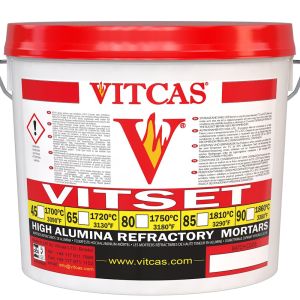 Vitset 45-Refractory Mortar Ready Mixed 1700°CAs low as £17.99 £14.99 Regular Price £35.99 £29.99
Vitset 45 is a versatile, ready-mixed refractory mortar designed to withstand temperatures as high as 1700°C /3100°F. Ideal for trowelling, patching and setting various high-grade refractory and insulation fire bricks rated above 1400°C. Suitable for use with ceramic fibre boards and blankets, making it a practical solution for both repairs and new installations in high-temperature environments.
Read more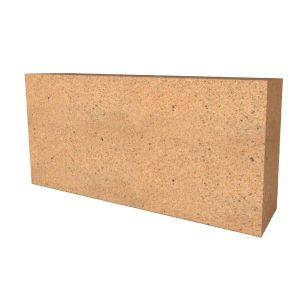 VITCAS Fire bricks 230x114x76mmSpecial Price £3.00 £2.50 Regular Price £4.79 £3.99
VITCAS Fire Bricks, made with 42% Alumina content. Sized at 230 x 114 x 76mm and designed to endure extreme conditions up to 1430°C. Ideal for a range of high-temperature applications including kiln linings, ceramics, metal casting, forges, and brazing hearths, these bricks are the perfect choice for ensuring durability and efficiency in your heat-intensive projects.
Read more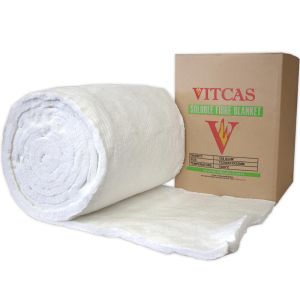 Bio-Soluble Insulation Blanket 1200°C - per Metre£14.39 £11.99 Regular Price £19.19 £15.99
VITCAS Bio soluble fibre insulation blanket is designed to withstand temperatures up to 1200°C (2192°F). This insulation blanket presents a very low health risk due to its low bio-persistence and is safe to handle, making it suitable for both industrial and environmental standards. The blanket is 25 mm thick, 610 mm wide, with a density of 128 kg/m³.
Read more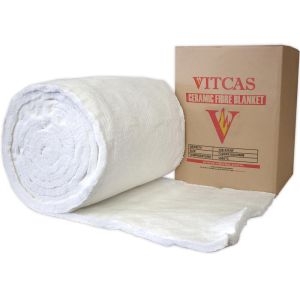 Ceramic Fibre Blanket 1260°C -per Metre£11.99 £9.99 Regular Price £19.19 £15.99
VITCAS Ceramic Fibre Insulation Blanket offers low thermal conductivity and high tensile strength, withstanding temperatures up to 1260ºC (2300ºF). Available by the metre, it comes in 13mm and 25mm thicknesses, 610mm wide, with a density of 128kg/m³, ideal for high-temperature insulation.
Read more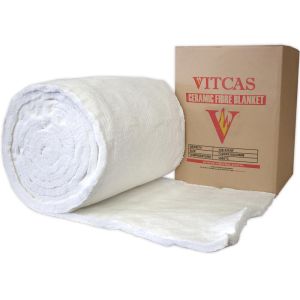 Ceramic Fibre Blanket 1260°C£66.00 £55.00 Regular Price £96.00 £80.00
VITCAS Ceramic Fibre Blanket is resistant to a maximum service temperature of 1260°C (2300°F), with a density of 128kg/m³. Available in thicknesses of 13mm, 25mm, and 50mm, it is widely used in industries like petrochemical, steel, and ceramics. Ideal for insulation and furnace lining applications.
Read more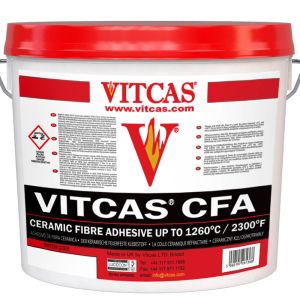 CFA - Ceramic Fibre Adhesive-VitcasAs low as £11.99 £9.99 Regular Price £23.99 £19.99
CFA - Ceramic Fibre Adhesive is a high-temperature, air-setting cement that is specifically designed for use as an adhesive for sticking ceramic fibre materials to brickwork, pizza ovens, or metal. This silica-based adhesive is ideal for use in a wide range of applications where high temperatures are involved, and a strong, durable bond is required.
Read more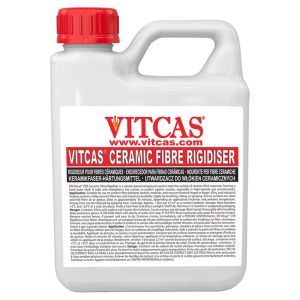 VITCAS Ceramic Fibre RigidiserSpecial Price £15.59 £12.99 Regular Price £47.99 £39.99
Vitcas Ceramic Fibre Rigidiser- a silicate compound. The rigidiser is used for coating the surfaces of ceramic fibre materials. These include the ones used in ceramic kilns, forges and those exposed to high velocity gases. The product acts as a hardener and sealant for these different ceramic fibre surfaces.
Read more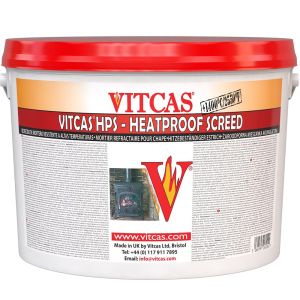 HPS - Heatproof ScreedAs low as £23.99 £19.99 Regular Price £35.99 £29.99
Fireproof Screed, a cement-like product, is resistant to 1400°C / 2550°F. For interior and exterior use. Its function is for Screeding Masonry and making replacement fire bricks for Kilns, Fireplaces, Barbeques and Pizza Ovens. Protects vulnerable materials, which are in danger of being damaged by high heat exposure.
Read more
Refractory Materials for Heritage Steam Locomotive Maintenance
Maintaining and restoring a working steam locomotive requires materials capable of performing reliably in very different parts of the engine. The firebox is exposed to intense combustion heat and repeated heating and cooling cycles, while the locomotive boiler benefits from effective insulation to retain heat used for steam production. The smokebox is exposed to hot gases, ash and mechanical wear, and traditional railway engineering can also involve specialist sealing and luting work during white metal bearing manufacture and repair.
The Vitcas heritage railway range brings together refractory, insulation and maintenance materials for these applications. Castables, fire bricks, refractory mortar, insulation blankets, heatproof screed and luting compounds perform different functions and should be selected according to the part of the steam locomotive being restored or maintained.
Refractory Castables for Steam Locomotive Fireboxes & Brick Arches
Refractory castables can be used to form or repair high-temperature components within a steam locomotive firebox. One important application is the firebox brick arch, which helps control the path of flame and hot combustion gases through the firebox before they pass towards the boiler tubes.
The arch may be formed as a cast refractory section or constructed from individual refractory components, depending on the locomotive design and established workshop practice. Refractory castables are particularly useful where shaped or localised high-temperature sections need to be produced or repaired.
Vitcas Refractory Castable Grade 1600 is suitable for boiler lining and boiler door applications and has a stated maximum service temperature of 1600°C. The correct castable grade should be selected according to the locomotive design, firing conditions and temperature exposure rather than applying one grade to every firebox repair.
Fire Bricks & Refractory Mortar for Steam Locomotive Brick Arches
Fire bricks and refractory mortar provide another method of constructing or repairing a steam locomotive firebox arch. Individual refractory bricks can be arranged to form the required arch profile and joined using a mortar compatible with the bricks and expected service conditions.
Vitset 45 is a ready-mixed refractory mortar suitable for trowelling, patching and setting compatible high-grade refractory and insulation fire bricks. Vitcas fire bricks containing 42% alumina are rated up to 1430°C and can be considered for suitable high-temperature refractory construction where their dimensions and specification meet the restoration requirements.
Original locomotive drawings, existing refractory arrangements and established heritage railway workshop practice should be considered before replacing or modifying a brick arch.
Steam Locomotive Boiler Insulation & Heat Retention
Insulating the steam locomotive boiler barrel helps reduce unnecessary heat loss through the outer boiler shell. Ceramic fibre or suitable bio-soluble insulation blanket can be installed beneath the external boiler cladding where appropriate to the locomotive design.
Effective insulation helps retain more of the heat transferred into the boiler system rather than allowing it to escape rapidly through the boiler shell. This supports more efficient use of the heat generated in the firebox and can contribute to more consistent steam production during locomotive operation.
Vitcas Ceramic Fibre Blanket is available in different thicknesses and has a maximum service temperature of 1260°C. Bio-soluble fibre blanket rated to 1200°C provides another high-temperature insulation option. The appropriate material and thickness should be selected according to the boiler construction, available space beneath the cladding and the requirements of the restoration.
Why Boiler Insulation Matters for Steam Production
A steam locomotive relies on continuous heat transfer from the firebox and combustion gases to the boiler water. Once this thermal energy has entered the boiler, excessive loss through the outer shell reduces the amount of useful heat retained within the system.
Insulation beneath the boiler cladding helps conserve that thermal energy, allowing the boiler to make more effective use of the heat produced by the fire. In a working heritage locomotive, this can support steadier steam generation and reduce unnecessary heat loss during operation.
Boiler insulation should nevertheless be treated as part of the locomotive's established boiler and cladding arrangement. Material selection and installation should take account of inspection access, existing construction and the maintenance requirements of the particular locomotive.
For a more detailed look at steam locomotive boiler construction, insulation and maintenance, read our guide to heritage railway locomotive boilers.
Smokebox Floor Protection with Heatproof Screed
The steam locomotive smokebox operates under different conditions from the firebox. Hot combustion gases, soot and ash pass through this area before reaching the exhaust, creating a combination of elevated temperature and mechanical exposure.
Vitcas Heatproof Screed can be used as a durable heat-resistant surface in suitable smokebox floor applications. It has a stated temperature resistance of up to 1400°C and is intended for high-temperature masonry and refractory construction.
Its role should be considered separately from firebox refractory construction and boiler insulation, as each area of the steam locomotive experiences different thermal and mechanical conditions.
White Metal Bearing Casting & Traditional Steam Railway Engineering
White metal bearing work remains an important part of traditional steam locomotive and heritage railway engineering. During the pouring or relining of white metal bearings, unwanted metal penetration into gaps can increase the amount of machining and finishing required after casting.
Vitcas Premium 1P is a high-temperature sealing and luting compound suitable for white metal bearing work. It can be applied to seal selected areas during casting and help prevent molten white metal from entering locations where it is not required.
Premium 1P has a stated maximum service temperature of 1400°C and is specifically relevant to traditional bearing manufacture and relining work, making it useful for heritage railway workshops as well as other specialist high-temperature engineering applications.
Ceramic Fibre Adhesive & Rigidiser for Locomotive Insulation Work
Ceramic Fibre Adhesive can be used where compatible ceramic fibre insulation needs to be secured to brickwork, refractory surfaces or metal. This may be relevant during locomotive insulation and refractory maintenance where fibre products form part of the high-temperature assembly.
Ceramic Fibre Rigidiser performs a different function. It is applied to the surface of compatible ceramic fibre materials to harden and seal exposed fibre surfaces where increased surface stability is required.
Adhesives and rigidisers should be selected according to the insulation system and should not be used as substitutes for the blanket, refractory mortar or castable itself.
Steam Locomotive Firebox, Boiler & Smokebox Applications
Products within the heritage railway range can support several areas of traditional steam locomotive maintenance and restoration:
- firebox brick arches – casting refractory arches or constructing them from suitable fire bricks and refractory mortar;
- firebox refractory repairs – patching or replacing suitable high-temperature refractory sections;
- locomotive boiler insulation – installing ceramic fibre or suitable bio-soluble insulation beneath external boiler cladding;
- steam heat retention – reducing unnecessary boiler-shell heat loss to support effective use of generated heat;
- smokebox floor protection – applying suitable high-temperature screed in areas exposed to hot gases, soot and ash;
- white metal bearing casting – sealing and luting selected areas during traditional bearing manufacture or relining;
- refractory brickwork – setting and repairing compatible fire bricks with suitable refractory mortar;
- ceramic fibre insulation – installing, bonding or treating high-temperature insulation materials.
The requirements can vary considerably between locomotive classes, boiler designs and restoration projects. Original drawings, established railway engineering practice and the condition of the existing components should be considered alongside the technical specification of replacement refractory and insulation materials.
Choosing Materials for Heritage Steam Locomotives
Before selecting refractory or insulation materials for steam locomotive maintenance, establish exactly where and how the material will be used.
- Locomotive component – identify whether the work concerns the firebox, brick arch, boiler barrel, smokebox, bearing or another high-temperature area.
- Material function – determine whether the requirement is refractory construction, brick setting, insulation, surface protection, sealing or luting.
- Operating temperature – use the stated service temperature of the individual product and consider the conditions at its actual installation position.
- Thermal cycling – account for repeated firing, cooling and reheating during steam locomotive operation.
- Mechanical conditions – consider vibration, ash, hot gas flow, wear and other conditions affecting the component.
- Existing construction – check compatibility with existing fire bricks, refractory materials, steelwork, boiler cladding and insulation.
- Installation method – establish whether the material will be cast, trowelled, used as mortar, wrapped as insulation or applied as a sealing compound.
- Drying and commissioning – follow the individual refractory, screed or adhesive instructions before returning the locomotive to normal firing conditions.
The product with the highest temperature rating is not automatically the most suitable for a heritage steam locomotive. Compatibility with the original construction, application method and actual service conditions is equally important.
Frequently Asked Questions
What refractory materials are used in a steam locomotive?
Steam locomotive maintenance can involve refractory castables, fire bricks, refractory mortar, heatproof screed and specialist sealing compounds. Different materials are used in different areas of the locomotive. The firebox brick arch, boiler insulation, smokebox floor and white metal bearing work each have separate requirements, so product selection should be based on the specific component being restored.
What is the brick arch in a steam locomotive firebox?
The brick arch is a refractory structure positioned within the firebox above the fire. It helps control the path of flame and hot combustion gases before they pass towards the boiler tubes. Depending on the locomotive design, the arch may be constructed from fire bricks and refractory mortar or formed using a suitable refractory castable.
What refractory should I use for a steam locomotive brick arch?
A brick arch can be constructed from suitable fire bricks and refractory mortar or formed from an appropriate refractory castable. Vitcas Refractory Castable Grade 1600 is suitable for high-temperature boiler applications, while compatible fire bricks and refractory mortar provide another construction method. Selection should reflect the original arch design, firing conditions and restoration requirements.
Why is insulation used around a steam locomotive boiler?
Boiler insulation helps reduce heat loss through the outer boiler shell. Ceramic fibre or suitable bio-soluble insulation blanket can be installed beneath external cladding where appropriate, helping retain more thermal energy within the boiler. This supports more effective use of the heat generated in the firebox and can contribute to more consistent steam production.
Can ceramic fibre blanket be used to insulate a steam locomotive boiler?
Yes. Ceramic fibre blanket can be used around the locomotive boiler barrel beneath external cladding where suitable for the restoration design. Vitcas Ceramic Fibre Blanket provides low thermal conductivity and is rated for service temperatures up to 1260°C. The appropriate blanket thickness and arrangement should be determined according to the locomotive boiler and available cladding space.
How does boiler insulation affect steam production?
Boiler insulation reduces unnecessary thermal loss from the boiler shell, allowing more of the heat transferred from the firebox to remain within the boiler system. On a suitable steam locomotive installation, this can support more efficient use of generated heat and help maintain steadier steam production. Actual performance depends on the boiler, insulation arrangement and operating conditions.
What material can be used on a steam locomotive smokebox floor?
Vitcas Heatproof Screed can be used for suitable smokebox floor applications where a durable high-temperature refractory surface is required. The smokebox floor is exposed to hot gases, ash and mechanical wear, so the material should be selected for those service conditions rather than purely according to maximum temperature resistance.
What is Premium 1P used for in steam locomotive restoration?
Premium 1P is particularly useful during traditional white metal bearing casting and relining. It acts as a sealing and luting compound around selected parts of the bearing or casting arrangement, helping prevent molten white metal from entering unwanted areas and potentially reducing additional machining after casting.
Can fire bricks be used in a steam locomotive firebox?
Suitable fire bricks can be used for components such as the firebox brick arch where the locomotive design calls for refractory brick construction. They should be installed using an appropriate refractory mortar and selected according to the required dimensions, temperature exposure and original design. A cast refractory arch provides an alternative construction method in suitable locomotives.
What is the difference between refractory castable and refractory mortar in locomotive repair?
Refractory castable is used to form or rebuild larger monolithic refractory sections such as suitable firebox arch components. Refractory mortar is primarily used for setting and jointing individual refractory bricks or assembled sections. The correct material therefore depends on whether the component is being cast or constructed from individual refractory pieces.
Can bio-soluble insulation blanket be used instead of ceramic fibre on a locomotive boiler?
Bio-soluble insulation blanket provides another high-temperature insulation option, but suitability depends on the temperature requirement, thickness, available space and restoration specification. Vitcas bio-soluble blanket within this range is rated to 1200°C. Compatibility with the particular boiler and cladding arrangement should be established before installation.
Do locomotive refractory repairs need to dry before the engine is fired?
Castables, refractory mortars, adhesives and other wet-applied materials can require appropriate setting, drying or curing before full firing. Requirements differ between products. Follow the instructions for the individual refractory material and any specified initial heating procedure before returning the steam locomotive to normal operating conditions.
Are these materials suitable for working steam locomotives as well as restoration projects?
The range includes materials relevant to both restoration and ongoing maintenance of heritage steam locomotives, including firebox refractory work, boiler insulation, smokebox protection and white metal bearing casting. Suitability for a particular working locomotive should always be confirmed against the component design, operating conditions and individual product specification.
For refractory and insulation materials used with marine steam boilers, steam boats and other vessel applications, see the dedicated Boats & Barges section rather than treating marine steam systems as part of the heritage railway category.