VITCAS Zircon Refractory Coating - Protection up to 1750°C
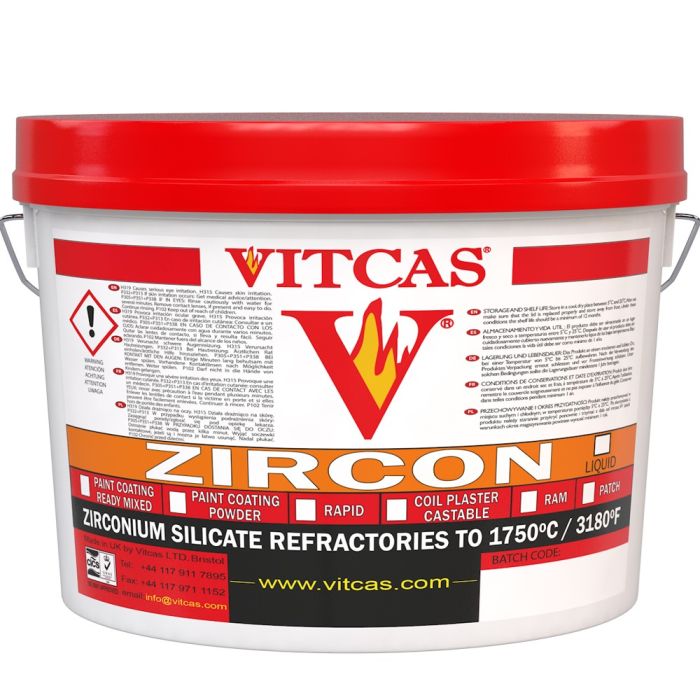
VITCAS Zircon Refractory Coating is a high-temperature protective paint formulated for use on refractory bricks and alumino-silicate monolithic linings. With a service temperature of up to 1750°C (3180°F), it offers excellent resistance to chemical attack from molten glass, metal slags, and particularly aluminium alloys. The coating is zirconium-based and known to help reduce corundum build-up, significantly extending the service life of refractory linings. This advanced coating is ideal for use in tunnel and shuttle kilns, furnaces, ladles, launders, and other industrial equipment exposed to thermal and chemical stress. When applied in a 1-2 mm layer, VITCAS Zircon Paint can extend the operational life of kilns by four to five times compared to uncoated surfaces.
Features of Zircon Refractory Coating
-
Extends Kiln Service Life: A 1-2 mm coating applied to the hot face of tunnel or shuttle kilns can increase refractory lifespan by up to 4-5 times
-
Improves Thermal Efficiency: Seals cracks and imperfections in linings, reducing heat loss and lowering overall fuel consumption
-
Zircon-Based Composition: Contains zirconium silicate as the primary refractory component, offering superior resistance to high temperatures and alkali corrosion
-
Excellent Chemical Resistance: Withstands attack from alkalis present in molten glass and metal slags
-
Effective with Aluminium Alloys: Resists reaction with molten aluminium, maintaining surface integrity in casting and handling processes
-
Minimises Corundum Formation: Helps reduce corundum build-up in aluminium-processing equipment
-
Versatile Application: Suitable for use in ladles, furnaces, launders, and other high-temperature systems in contact with molten alloys
-
Optimised for Glass Industry: Ideal for areas in direct contact with molten glass, providing a non-wetting, durable barrier
-
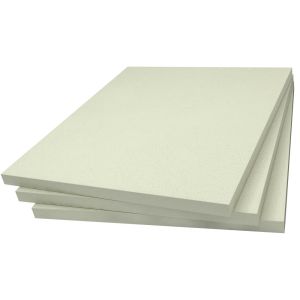
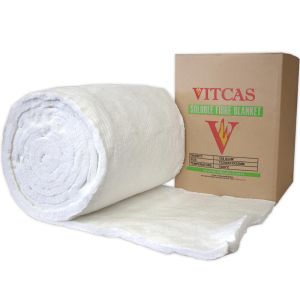
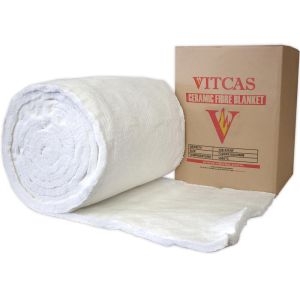
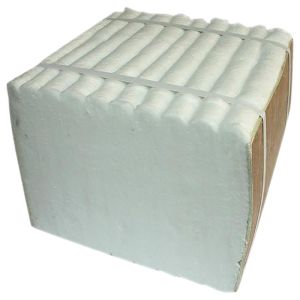
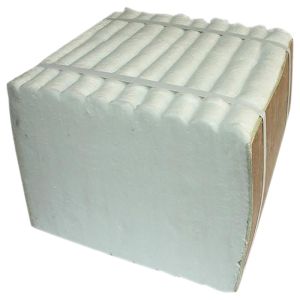
Protects Ceramic Fibre Linings: Seals ceramic fibre blankets, boards, and modules to prevent fibre release and enhance workplace safety
Applications in Industry
Aluminium: Provides a non-wetting barrier to molten aluminium alloys, significantly reducing corundum formation on contact with refractory linings.
Ceramics and Pottery: Seals and protects ceramic fibre blankets, boards, modules, and linings; prevents fibre release into the workplace
Iron and Steel: Saves energy and reduces fuel costs by preventing heat loss through cracks and lining defects
Marine Shipping: Suitable for high-temperature applications in marine thermal equipment
Nuclear Energy: Withstands extreme temperatures and resists alkali corrosion in reactor linings and hot zones
Petroleum: Ideal for use in high-temperature petroleum processing equipment
Pulp and Paper: Extends the service life of kilns and refractory-lined thermal processing units
Sugar Refining: Increases kiln durability by 4-5 times compared to uncoated linings
Instructions
-
Stir VITCAS Zircon Paint thoroughly before use to ensure uniform consistency
-
For brush application, use directly from the container. For spray application or warm surfaces, thin with water as required. When coating porous materials such as ceramic-fibre blanket, slight dilution is necessary to achieve an even layer and prevent excess build-up
-
Ensure the surface is clean, dry, and free from oil, grease, dust, or other contaminants. Do not apply to metal surfaces
-
Prepare old refractory surfaces by removing loose material with a scraper or wire brush. Roughen glossy areas with an abrasive disc for better adhesion
-
Clean and fill any cracks or holes with a thick zircon-based refractory paste before applying the coating
-
Preheat the surface to at least 200°C to improve adhesion
-
Apply the coating evenly by brush or spray to a thickness of approximately 1 mm
-
Allow to dry for 24 hours at around 20°C, then gradually raise the temperature in stages to avoid thermal shock
Disclaimer: The information provided is based on our experience and customer feedback. As application conditions vary and are beyond our control, no warranty is expressed or implied. Users must conduct their own tests to confirm the product's suitability for their specific requirements.