We offer a wide range of high-quality products supplied directly by the manufacturer.
Fast shipping – dispatch even within 24 hours
Tooltip
Orders placed by 12:00 (with correct details and product availability) are usually dispatched on the same business day. Deliveries are carried out in cooperation with reputable external courier companies. The delivery time depends on the selected carrier as well as the size and weight of the shipment — whether courier or pallet freight.
UK warehouse dispatch – Worldwide shipping
Tooltip
Quick dispatch from our UK warehouse with international shipping available.
Secure payments – Visa, Mastercard, AmEx, PayPal, Apple Pay & Google Pay
Tooltip
All transactions are encrypted and secure. We accept payments via Visa, Mastercard, American Express, PayPal, Apple Pay and Google Pay.
14-day returns guarantee
Tooltip
If you change your mind after receiving your order, you have 14 days to return the goods. Please contact us to request a returns form.
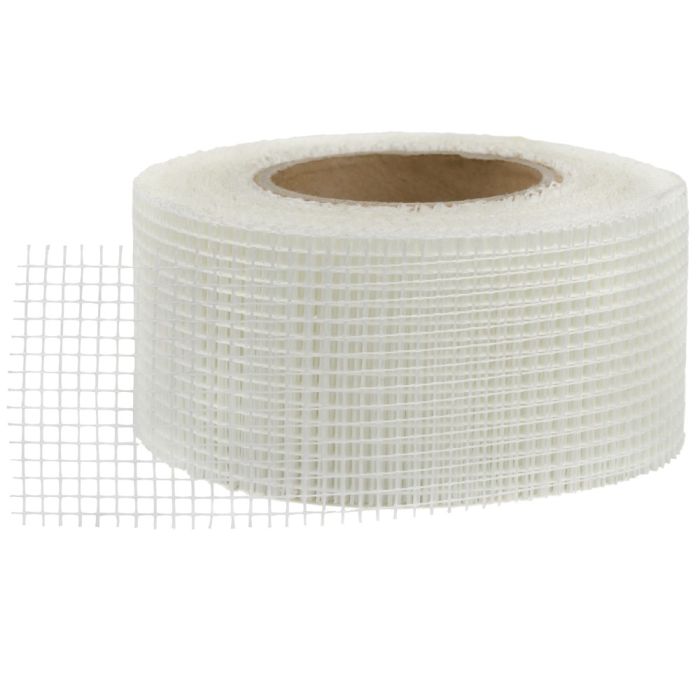
Heat-resistant fibreglass mesh tape is an essential tool for securing plasterboard joints, offering durability and high resistance to heat. Made from fibreglass mesh with an open-weave fabric design, this tape ensures a strong bond with plasterboard, significantly improving the quality and longevity of the finish. Its self-adhesive properties eliminate the need for additional jointing compound, making plasterboard installation quicker and more effective.
Plasterboard Jointing Tape Benefits:
Prevents Cracking: The fibreglass mesh tape helps prevent cracks in plasterboard joints, especially in areas prone to movement or high temperatures.
Self-Adhesive for Easy Application: Its strong adhesive ensures a firm grip on plasterboard, speeding up the process and reducing the need for extra adhesives.
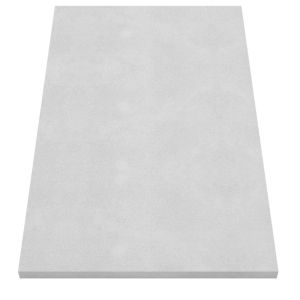
Heat-Resistant: This heat-resistant fibreglass mesh tape is ideal for high-temperature areas like fireplaces and stoves, where thermal expansion is a concern.
Strengthens Joints: Reinforces weak points in plasterboard construction, particularly joints and internal corners, preventing structural issues.
Application of Scrim Tape:
Placement: Apply scrim tape evenly over the plasterboard joints, ensuring proper coverage on both sides.
Trim Excess: Use a sharp knife to trim excess tape for a smooth finish.
Careful Taping: Ensure that corners and joints are securely taped, smoothing out any bubbles or imperfections.
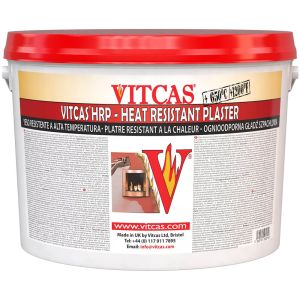
Plaster Over: After taping, plaster over with heat-resistant plaster, like Vitcas Heat Resistant Plaster, for a durable, long-lasting finish.
Importance in High-Temperature Areas:
When working in high-heat areas, such as around fireplaces, the joints between plasterboards are particularly vulnerable to cracking. Heat-resistant fibreglass mesh tape plays a vital role in protecting these joints, ensuring that the structure remains intact even when exposed to significant thermal stress. This protection prevents damage caused by heat expansion and contraction, extending the lifespan of the installation.
Please, mind that only logged in users can submit questions
Product FAQs
Question
How can I reduce cracking along plasterboard or fireboard joints?
Answer
Plasterboard, HT board or fireboard joints can crack where excessive heat or movement places stress on the finished surface. This VITCAS fiberglass mesh scrim tape reinforces the joint before plastering, helping to reduce cracking caused by thermal expansion and contraction. Centre the tape over the joint, secure it evenly on both boards and cover it with VITCAS Heat Resistant Plaster.
Question
Does the scrim tape need a separate adhesive?
Answer
No separate adhesive is required to hold the tape in position because it has a self-adhesive backing. Press it firmly onto the fireboard or plasterboard so it grips evenly without bubbles or loose edges. The tape must still be plastered over with VITCAS HRP Heat Resistant Plaster to complete the reinforced joint.
Question
Can the high temperature mesh scrim tape reinforce internal fireboard and plasterboard corners?
Answer
Yes. The high-temperature mesh scrim tape is suitable for internal corners as well as straight joints between fireboards, plasterboards and high-temperature boards. Apply it evenly so the 50 mm width covers both sides of the corner, then smooth out bubbles or creases before plastering. Careful placement helps reinforce this vulnerable area and supports a more durable finished surface.
Question
How should the scrim tape be positioned over a joint?
Answer
Centre the fiberglass mesh scrim tape along the plasterboard or fireboard joint so it provides even coverage on both sides. Press the self-adhesive mesh tape firmly into place and make sure it remains straight. Smooth out any bubbles, folds or raised edges before applying HRP Heat-Resistant Plaster, as imperfections beneath the tape can affect the final finish.
Question
What should I do if the tape bubbles or creases?
Answer
Do not plaster over bubbles, folds or poorly adhered sections. Smooth the tape carefully so the mesh lies flat against the plasterboard and the joint remains fully covered. Where necessary, lift and reposition the affected section before continuing. A flat, securely fixed tape provides a better base for the VITCAS HRP heat-resistant plaster.
Question
How can I cut the mesh scrim tape neatly?
Answer
Use a sharp knife to trim the mesh scrim tape cleanly at the end of each joint or corner. Avoid tearing it, as frayed or uneven edges may be harder to cover smoothly with plaster. Position the tape first, press it firmly into place and then remove any excess before applying the finishing layer.
Question
Which plaster should be applied over the scrim tape?
Answer
The High Temperature Fibreglass Scrim Tape is designed for use with VITCAS HRP Heat Resistant Plaster. Once the fibreglass mesh has been applied securely across the plasterboard joint or internal corner, cover it with the plaster to create a reinforced finish. Do not leave the mesh exposed as the completed system requires it to be plastered over.
Question
What size and material is the scrim tape?
Answer
The tape is 50 mm wide and made from open-weave glass fibre mesh. Its width allows it to span plasterboard joints while covering both adjoining surfaces, and the mesh provides reinforcement beneath the plaster.